
Exteriors and weather

Choosing between pressure washing and soft washing

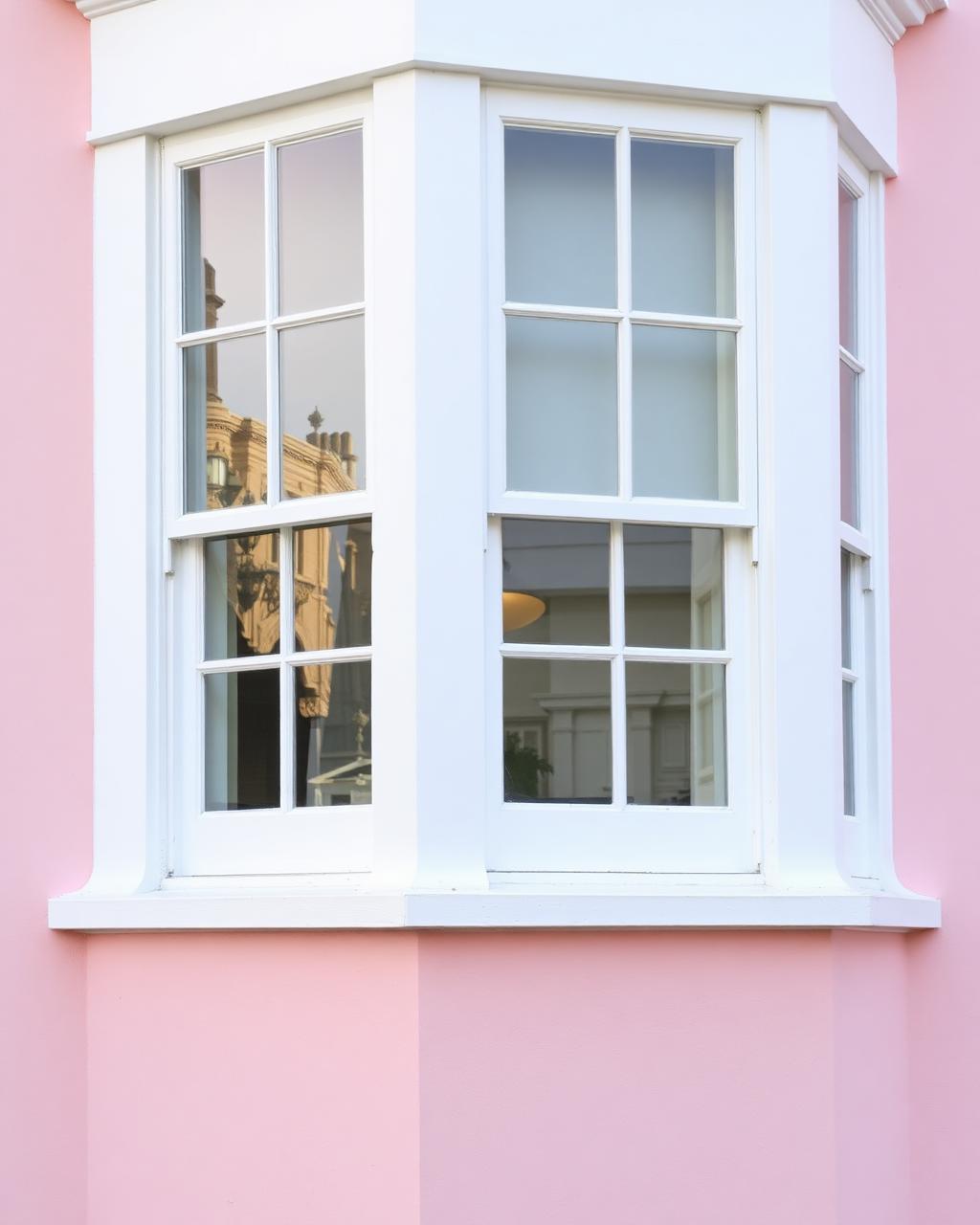
A low-pressure soft wash being applied to an older render wall ahead of painting

Cleaning a wall before coating sounds like a simple step, but the method chosen can either prepare the surface properly or damage it before a single coat of paint goes near it. Pressure washing and soft washing solve different problems, and using the wrong one on the wrong substrate causes its own failures later.

What pressure washing actually does

High-pressure water strips loose material, flaking coatings and surface dirt quickly, which suits sound, robust masonry that can take the force involved. On soft or old render, weak pointing or already-loose pebbledash, the same pressure can strip more than intended and drive water deep into the wall.

  • Sound, robust masonry considered a good candidate for pressure washing
  • Weak pointing and loose render treated with caution or a lower pressure
  • Water ingress checked for afterwards, not assumed to evaporate harmlessly
What soft washing does instead

Soft washing uses low pressure combined with a biocide or cleaning solution to lift dirt, algae and organic growth without the mechanical force of a jet wash, which suits delicate, older or already-compromised surfaces far better.

Matching the method to the substrate

We assess pointing condition, render age and general soundness before choosing a method, rather than defaulting to whichever machine happens to be on the van that day. A wall that would benefit from pressure washing on one elevation might need soft washing on a more weathered face of the same building.

Drying time after either method

Both methods leave a wall wetter than it looks, and coating too soon after either traps that moisture under the new film. We build a proper drying period into the programme regardless of which cleaning method was used.

  • Drying period built into the programme after any wall cleaning
  • Moisture readings taken before coating rather than assuming a visual dry
  • Weather forecast checked to avoid cleaning immediately before rain

Questions we are asked about this

Is pressure washing always bad for old walls?

Not always, but it needs judgement. Sound, modern masonry usually tolerates it well, while old, soft render or weak pointing can be damaged by the same pressure that would clean a robust wall perfectly safely.

Does soft washing remove everything pressure washing would?

It removes organic growth and general dirt very effectively but relies more on the chemical action than mechanical force, so it may need a longer dwell time and is less suited to stripping loose, flaking coatings.

How long after washing can you paint?

It depends on the weather and the wall, but we always allow a proper drying period and check moisture levels before coating rather than working to a fixed number of days regardless of conditions.

A high-pressure jet wash being used carefully on a sound modern masonry wall

Ask us to assess your wall before we recommend a pressure or soft wash approach.

The right cleaning method depends on the wall's condition, and getting it wrong can undo the preparation before painting even starts.

Start your project

Planning a commercial painting or decorating project?

Speak to a Hampshire commercial decorating contractor that turns up, communicates clearly and delivers a finish that lasts.