
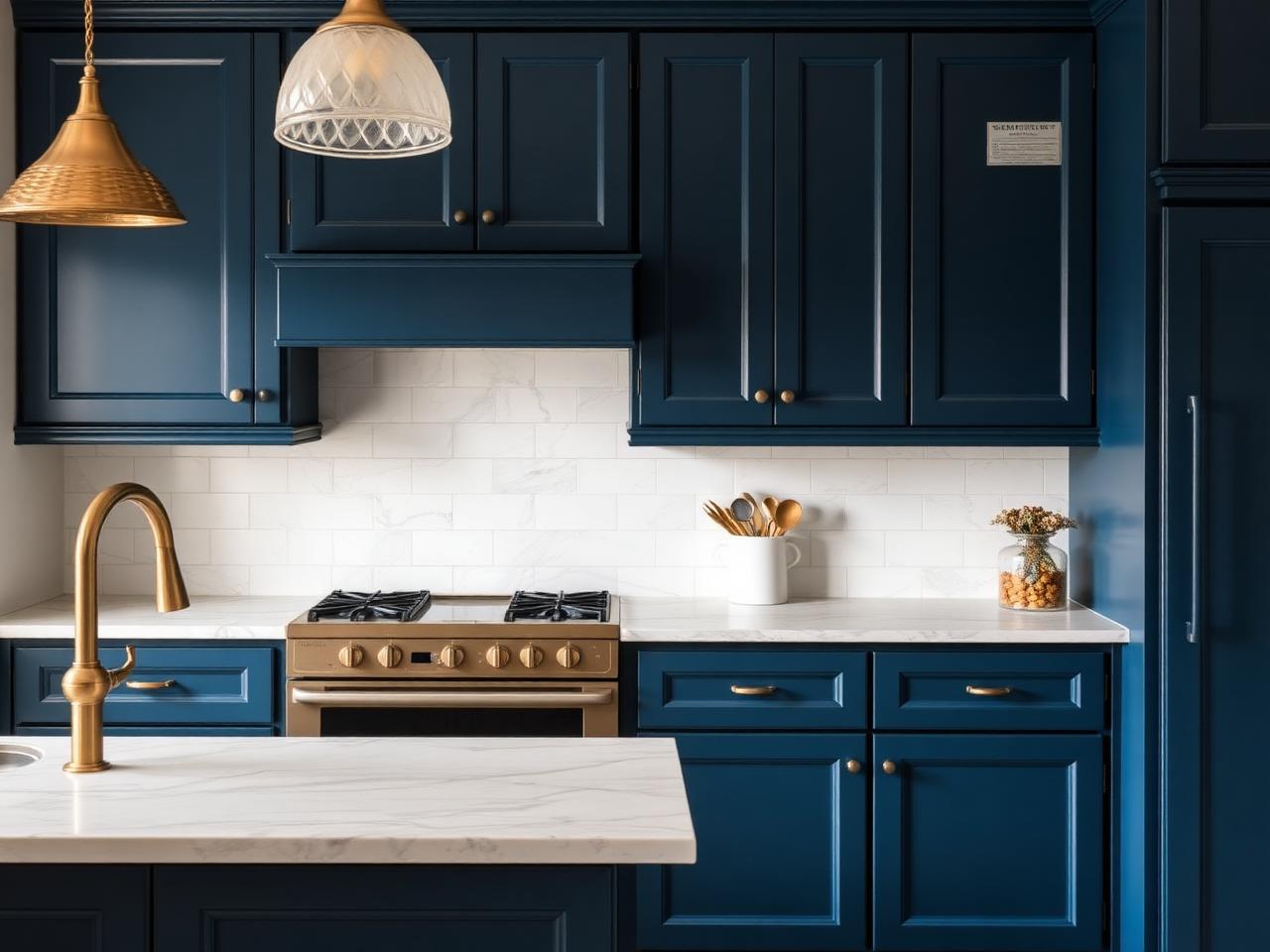
Kitchen Respraying in Portsmouth
Kitchen respraying changes the finish of a kitchen that still works for you, without replacing its cabinets. Based in Southsea, Portsmouth, we hand-spray existing cabinetry in two-pack lacquer, with bespoke colour matching and full removal, masking and reassembly. Work is typically completed in 3-5 working days. Start with the condition of your doors and the layout you want to keep, then choose the colour and finish.
What's included
A new finish for a sound kitchen
If the cupboards are solid, the doors close properly and the layout suits how you cook, dated colour does not have to mean a replacement kitchen. Respraying addresses the visible finish rather than rebuilding the room. It suits a coordinated colour change, an island that needs a different colour, or painted doors whose surface has become tired. Before deciding, look closely at edges and hinges as well as the front faces. Swelling, peeling layers or a damaged door need assessment: a fresh coating cannot put structural damage right. The useful question is whether you need a different kitchen or a better finish on the one you have.
Agree exactly which parts will be sprayed
Doors and drawer fronts are the starting point, but a consistent colour change also needs a clear plan for the fixed parts. Include visible carcass ends, frames, plinths, cornice and pelmets when describing the job, along with an island if you have one. These details should be assessed and included in the agreed scope rather than assumed to be covered by a door count. Worktops and appliances are protected, not treated as cabinet surfaces. Explain whether you want all visible cabinetry to match or an island in a contrasting colour. That avoids a newly sprayed frontage sitting beside an overlooked panel in the old shade.
Removed doors and in-situ cabinetry
Removable doors and drawer fronts are taken off for controlled spraying, while fixed carcasses and frames are masked and sprayed in place. Removing a door gives access to its edges without coating across a hinge gap. The on-site part needs protection around worktops, appliances, flooring and adjoining spaces, plus dust extraction and overspray containment. The practical arrangement depends on your kitchen and the surfaces included. Discuss that arrangement before work starts, especially if access is tight or the kitchen opens into another room. An in-situ respray is a planned application process, not simply painting around the handles with everything left exposed.
Preparation before the colour goes on
Cooking residue and old coatings have to be considered before a cabinet is ready for spraying. Preparation involves cleaning and degreasing, abrading the surface, addressing suitable small defects and priming for the existing material. Chips need their edges prepared rather than buried under another coat. The coating specification must suit the door, not just the colour you have chosen. Masking protects surfaces that are staying as they are, while removed components are prepared for even coverage. Between coats the finish is de-nibbed where needed. This work is less visible than the final colour, but it is what makes a coordinated respray possible.
Two-pack lacquer for kitchen cabinets
Our kitchen cabinet finish uses hand-sprayed two-pack lacquer. This is a cabinet coating rather than ordinary wall paint, selected for a hardwearing surface and a smooth appearance without brush texture. Two-pack products need controlled application, extraction and appropriate handling; they are not an invitation to use the kitchen while spraying is taking place. Dry enough to handle and fully hardened are different stages, so reassembly and everyday use need to follow the finish advice for the job. If you are comparing quotations, ask which coating system is included and how preparation and curing are being allowed for, not only which colour will be applied.
Bespoke colour matching and sheen
Bespoke colour matching lets the cabinet colour fit the rest of the room rather than forcing you to choose around a tired existing frontage. Bring your preferred colour reference and explain what is staying, including flooring, worktops and nearby walls. An island can be a separate colour if that is part of the agreed scope. Sheen is a separate decision from shade: a low-sheen appearance reflects light differently from a more reflective finish and can change how the colour reads. Discuss the available finish options alongside cleaning needs and the condition of the surfaces. Confirm colour and sheen together before the application stage.
Typically 3-5 working days, with access planned
Kitchen cabinet refinishing is typically completed in 3-5 working days. That is the existing typical programme, not a promise that every kitchen has the same scope. Door condition, preparation and the fixed parts included all need to be discussed when arranging your work. Living in the house does not mean unrestricted kitchen access: masking, spraying and drying create periods when the work area cannot be used normally. Explain your household's needs before the sequence is agreed. Where the layout allows, work can be sequenced to retain partial kitchen use, but plan for interruptions rather than assuming the sink, hob and every cupboard will always be available.
Reassembly and caring for the finish
Once the coating is ready for handling, doors and drawer fronts are reassembled and handles refitted. The kitchen is cleared down as part of the handover. Treat the finish gently while it continues hardening and follow the advice given for the coating used. Avoid leaving water sitting at door edges, and do not start with aggressive scrubbing or cleaning chemicals on a fresh surface. A small mark and widespread coating damage are different problems: ask before attempting a repair with leftover wall paint. On a sprayed two-pack finish, a convincing repair may need the affected door recoated rather than a small patch that catches the light.
Respraying or replacing the kitchen?
Respraying can be a cost-effective alternative to replacement when the existing kitchen is worth keeping. It changes colour and surface finish while retaining the layout, worktops and appliances that already suit you. Replacement addresses different needs, such as changing the cupboard arrangement, correcting damaged units or fitting doors whose sizes need to change. Compare those outcomes before comparing quotations. A cabinet respray cannot solve a layout problem or make a swollen edge sound again. There is no single saving to promise without seeing the kitchen and the proposed scope; the choice should follow condition, what you want to change and what you want to retain.
Get a kitchen spraying quote
Send photographs showing the whole kitchen, the doors and drawer fronts, and any chipped or damaged edges. Include door and drawer counts, approximate measurements, visible end panels and details of an island or decorative trims you want included. Tell us your preferred colour, whether handles are staying and whether fixed cabinetry needs to match the doors. Photos help start the conversation; a site visit and measurements establish the condition, access and scope for a written quote. Use the existing quote form or call to discuss your kitchen. You do not need to decide every finish detail before enquiring, but a clear picture of what is staying makes the discussion more useful.
Kitchen refinishing decisions
Kitchen Cabinet Spraying across Hampshire & the South Coast
We deliver this service across Hampshire, Dorset and the surrounding South Coast.
See areas we coverRelated services
Common questions
Is a dated kitchen worth respraying if the units are still solid?
It can be. Respraying is for a change of finish when the structure and layout are worth keeping. Send pictures of the doors and edges so damage, swelling or peeling can be considered before recommending a coating.
Should my quote include panels and trims as well as doors?
List the fixed surfaces you want to match: carcass ends, frames, plinths, cornice, pelmets and any island. Their condition and inclusion need to be agreed, rather than assuming every visible part is covered by the door count.
Are cabinet doors sprayed while still hanging in the kitchen?
Removable doors and drawer fronts come off for controlled spraying. Fixed cabinetry is masked and treated in place, with the surrounding worktops, appliances and floor protected.
Can I choose a separate colour for the kitchen island?
Yes, an island colour contrast can form part of the refinishing scope. Bespoke colour matching is available; agree the colour references and sheen for both the island and the main cabinets before spraying.
How much time should I allow for the cabinet work?
The typical programme is 3-5 working days. Your preparation requirements, surfaces included and kitchen access should be reviewed before the work is scheduled.
Can my household stay at home during kitchen respraying?
Discuss access before work begins. Staying at home is different from using the work area during spraying. Partial kitchen use may be possible where the layout and sequence allow, with interruptions for masking, application and drying.
How should newly sprayed cabinet doors be treated?
Use them gently while the coating continues to harden and follow the finish advice at handover. Keep prolonged moisture away from edges and ask before using aggressive cleaners or attempting a touch-up.
What should I send with a kitchen cabinet spraying enquiry?
Start with overall photos, close-ups of damage, door and drawer counts, approximate measurements and your preferred colour. Include fixed panels and trims you want coated; a site visit can then establish the scope for a written quote.
Planning a commercial painting or decorating project?
Speak to a Hampshire commercial decorating contractor that turns up, communicates clearly and delivers a finish that lasts.