
Chipped painted kitchen cabinets, repair or refinish?
Kitchen doors take knocks, cleaning chemicals and steam every day. A cabinet finish that chips at the handle edge within months was almost certainly a wall or trim paint used where a cabinet-grade coating was needed.
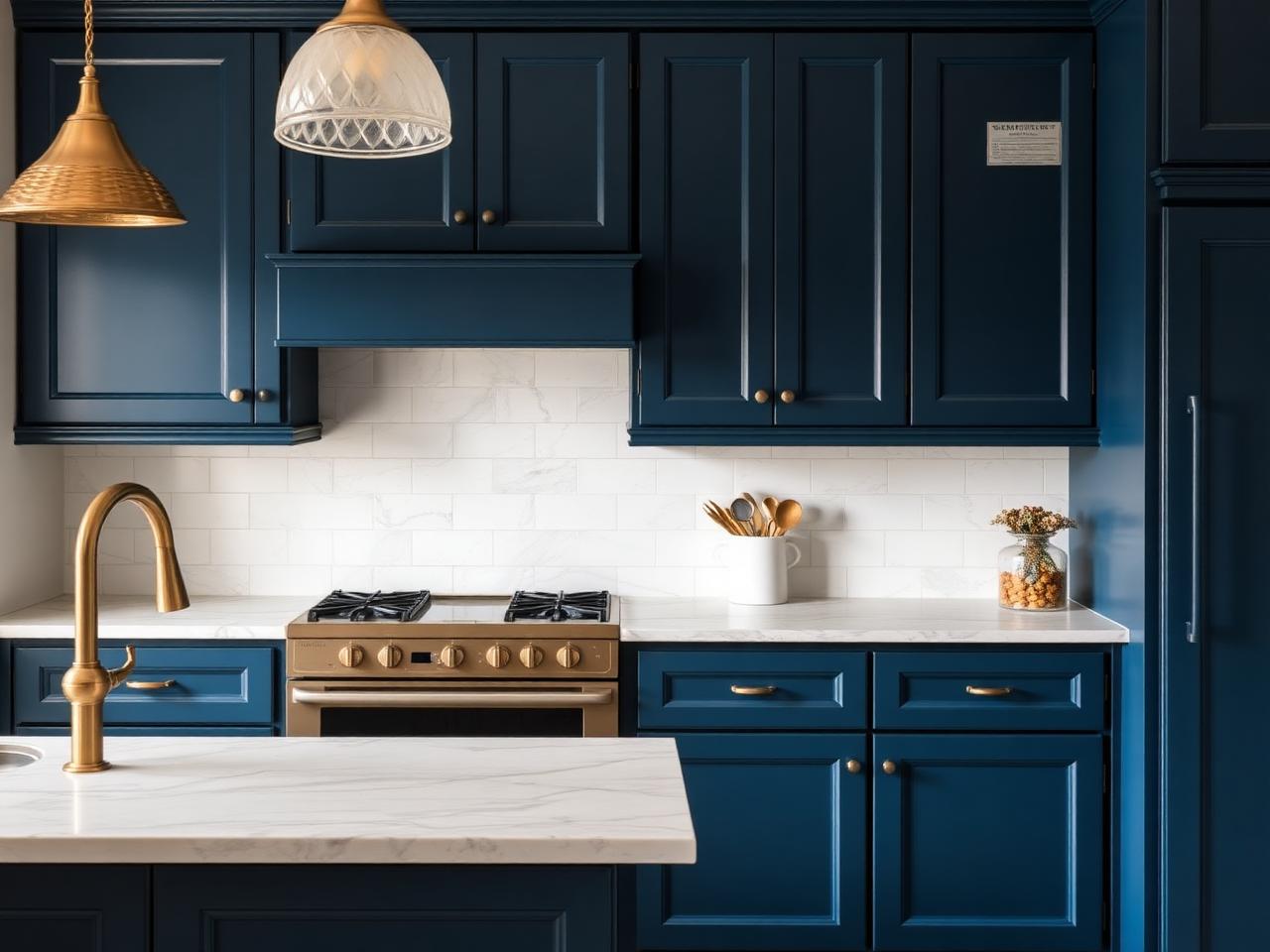
Why the chips start at the edges
Coating film is thinnest on arrises and door edges, and that's exactly where fingernails, rings and cupboard doors make contact. Poor degreasing before painting compounds it.
What can be spot-repaired
Isolated chips on a matt finish can be feathered, filled and touched in. Higher-sheen finishes rarely blend convincingly, so the affected door tends to be recoated in full.
The case for a full spray refinish
Removing the doors, degreasing, abrading, priming and spraying gives a uniform, hard-wearing film with no brush texture. It is also the only reliable way to change colour across a whole kitchen.
Coating choice for cabinets
Cabinet-specific water-based systems and 2K products cure much harder than trim paint. The trade-off is process, proper masking, extraction and cure time between handling.
Want a professional to handle it?
Need this done? Get a quote from Dynamic Decorating for kitchen cabinet refinishing.
Common questions
Can painted kitchen doors be touched up?
Small chips on matt finishes, yes. Satin and gloss finishes usually need the whole door recoated to avoid a visible patch.
Why did my cabinet paint chip so quickly?
Usually a trim or wall paint used on cabinets, or degreasing that missed cooking residue.
How long before a refinished kitchen can be used?
Doors are handleable quickly but continue hardening for some time, we advise gentle use during that period.
Do you spray in the kitchen or off site?
Doors typically come off for controlled spraying; frames and carcasses are masked and sprayed in place.
Related services
Covering Hampshire and the South Coast
Read next
Next step
Ask for a cabinet refinishing quote based on door and drawer counts.
For preparation, bespoke colour matching and a coordinated cabinet finish, explore kitchen respraying in Portsmouth.
Request a surveyPlanning a commercial painting or decorating project?
Speak to a Hampshire commercial decorating contractor that turns up, communicates clearly and delivers a finish that lasts.