
Working in occupied premises

Decorating to infection-control housekeeping standards

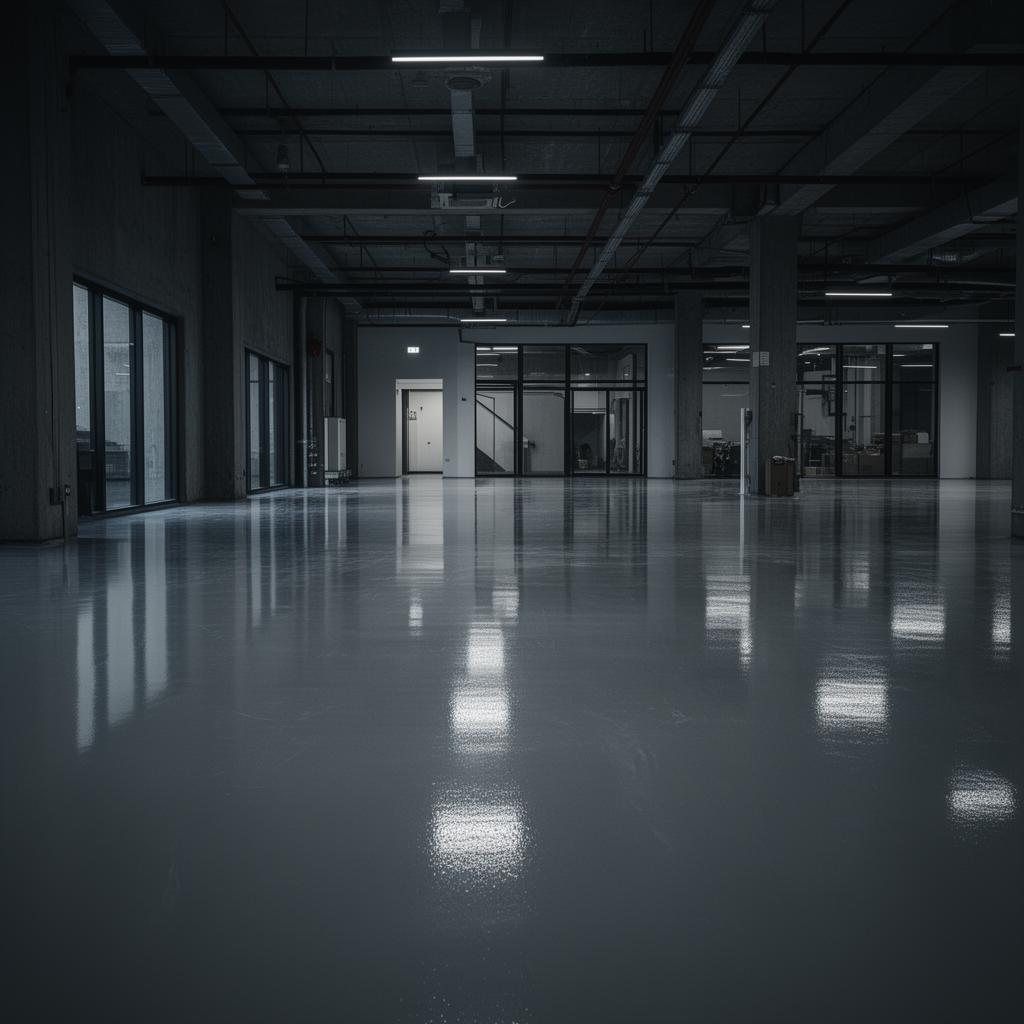
Zip-door polythene enclosure with extraction fitted around a decorating work zone in a clinical corridor

A dental surgery or clinic treats decoration as a clinical risk, not just a nuisance. Dust, debris and airborne particles from sanding or spraying carry the same weight as any other contamination source, so the housekeeping around the work matters as much as the paint itself.

Segregating the work zone properly

We build a physical barrier — usually a zip-door polythene enclosure with negative pressure extraction where sanding is involved — rather than trusting an open doorway and good intentions. Anything less risks dust travelling to a clean area faster than a mop can catch it.

  • Zip-door enclosures used for any sanding or cutting work
  • Negative pressure extraction fitted where dust generation is significant
  • Enclosure integrity checked at the start of every session, not just once
Tools and materials that don't cross zones

Equipment used inside a clinical work zone stays in that zone. We don't carry a step ladder or a bag of tools from a contaminated area straight into a clean corridor without it being wiped down first, and we keep a dedicated set of tools for higher-risk rooms wherever the job justifies it.

The end-of-day terminal clean handover

Before we leave any clinical area at the end of a session, we carry out our own damp-wipe down of hard surfaces and remove all waste, then hand the room to the site's own cleaning team for their terminal clean rather than assuming our tidy-up replaces it. That handover is agreed with the infection control lead beforehand, not improvised on the day.

Choosing coatings that support cleaning, not just looks

In clinical rooms we specify hygienic, washable systems that tolerate repeated chemical cleaning without dulling or breaking down, and we avoid textured or porous finishes in any area subject to routine disinfection. The finish has to survive the cleaning regime, not just the paint job.

  • Washable, low-porosity finishes specified for all patient-contact surfaces
  • Textured or matt finishes avoided where chemical cleaning is routine

Questions we are asked about this

Do you follow the site's own infection control procedures or your own?

The site's. We ask for their infection control lead's requirements before starting and treat those as the governing standard, adapting our own housekeeping to sit underneath them.

Can decoration happen in a room that's still being used for appointments?

Generally not for anything generating dust or fumes; those rooms need to be fully closed to patients. Low-disruption touch-up work in adjacent areas may be possible with agreement.

How do you handle waste from a clinical area?

General decorating waste is bagged and removed through a route agreed with the site, kept separate from clinical waste streams, and never left in a clean corridor even temporarily.

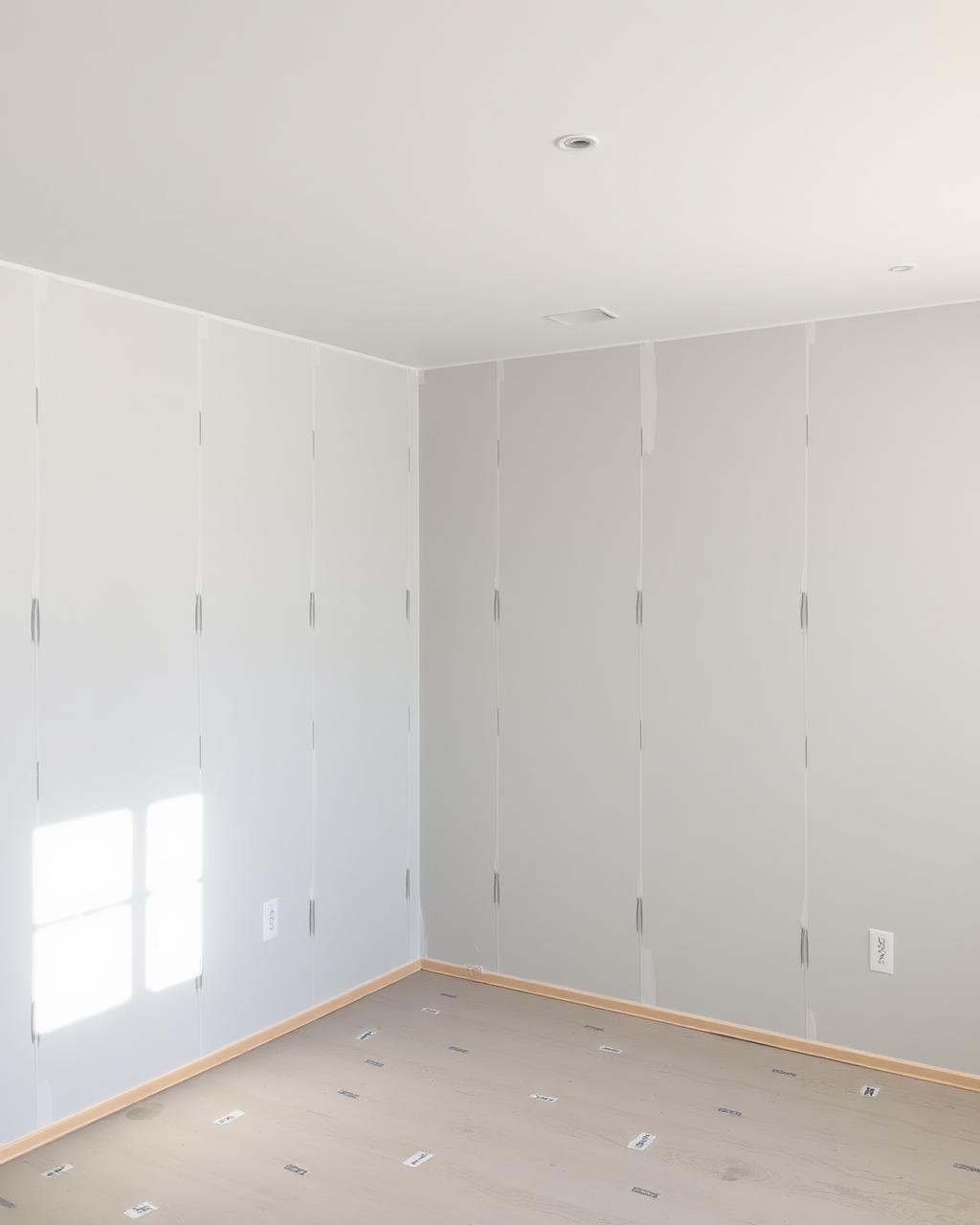
Washable satin-finished wall surface in a treatment room ready for routine chemical cleaning

Share your infection control policy and we'll confirm our working method against it before we quote.

Clinical decorating is a housekeeping discipline first and a paint job second.

Start your project

Planning a commercial painting or decorating project?

Speak to a Hampshire commercial decorating contractor that turns up, communicates clearly and delivers a finish that lasts.