
Working in occupied premises

Repainting a multi-floor building one storey at a time

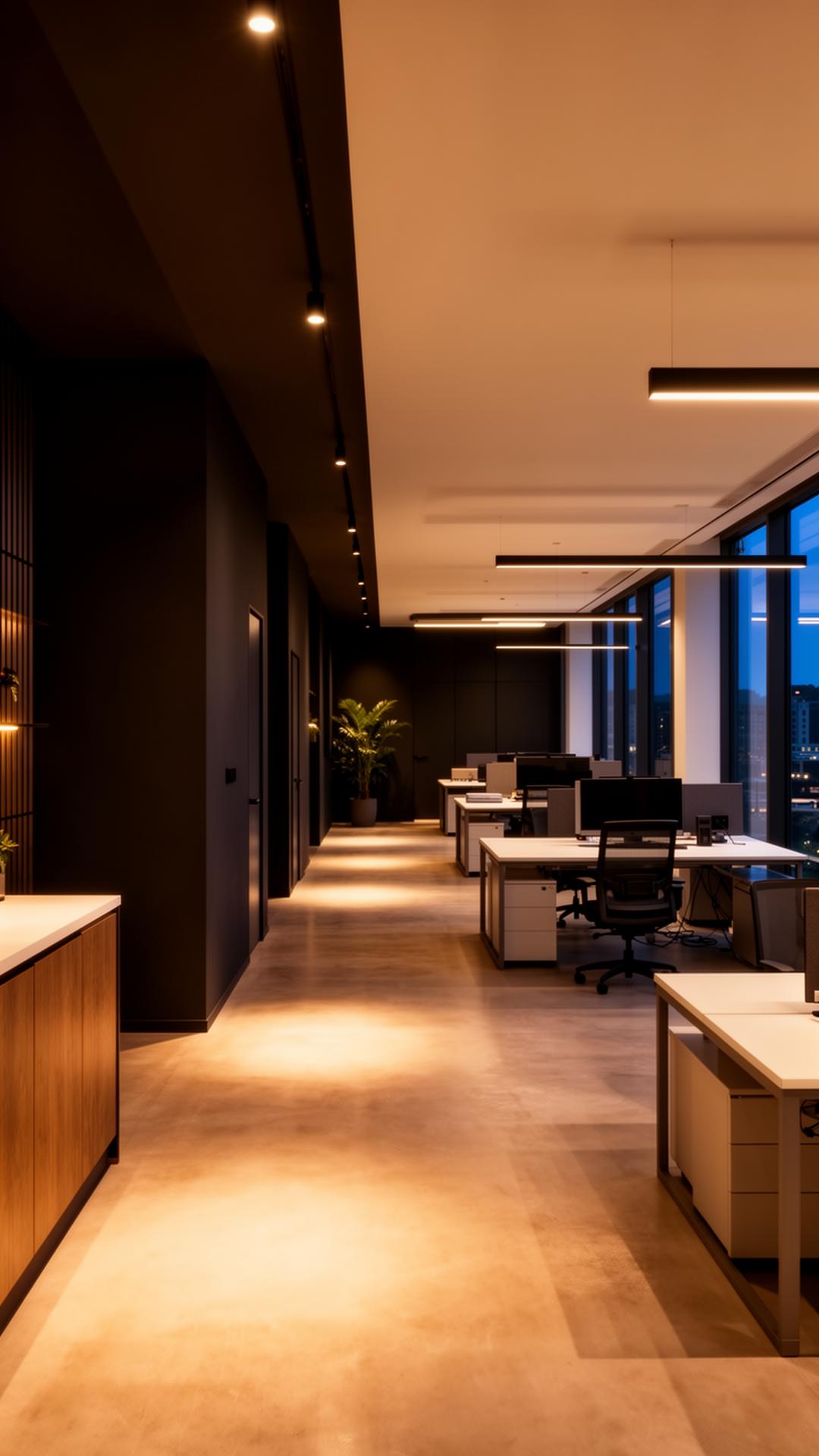
Freshly painted office floor with furniture waiting in the corridor before return after cure time

Closing an entire office block for redecoration is rarely an option, so most multi-floor jobs get split into a rolling programme, one floor finished and handed back before the next begins. The sequencing between floors, not the painting itself, is usually what determines whether the programme runs smoothly.

Questions we are asked about this

How long does each floor typically take?

This depends on floor size and how much furniture needs moving, but we give a per-floor time estimate up front so the whole programme can be planned against staff moves and desk bookings.

Can staff move back onto a floor before the final coat has fully cured?

We don't recommend it — surface-dry paint can still mark or soften under desk legs and equipment for some days after application, so we agree a hold period before furniture returns.

What happens if a floor needs re-access after it's signed off?

We keep a defects period open after each floor's sign-off specifically for this, so genuine snags found once the floor is back in use are still covered without reopening the whole programme.

Choosing the starting floor

We usually start at the floor that's least disruptive to affect first — often the top floor if lift capacity allows materials up without competing with ground-floor deliveries, or the floor with the fewest desks currently occupied. Starting in the wrong place can mean fighting for lift space with every other trade on site.
What has to happen before a floor is declared finished

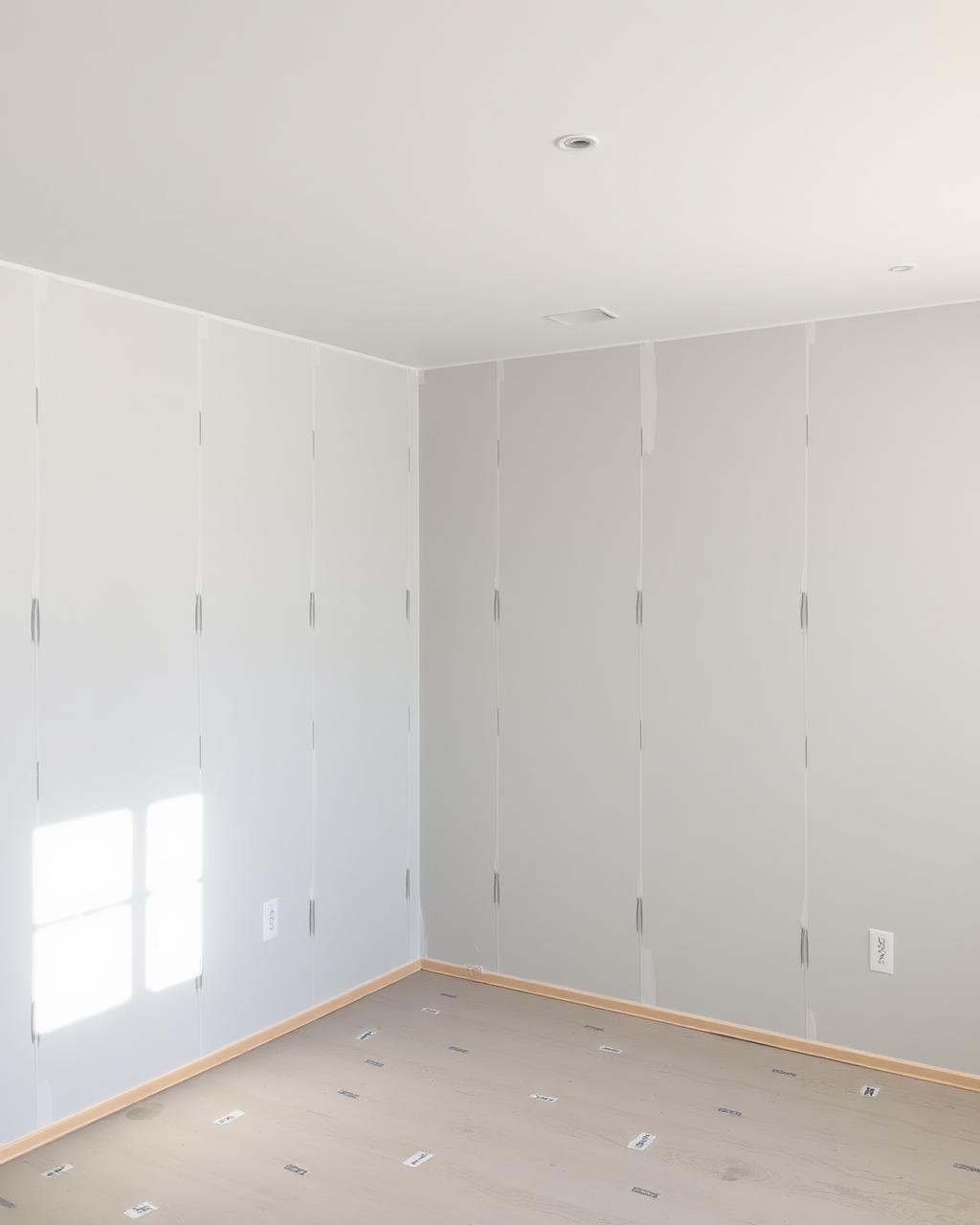
A floor isn't complete when the last coat goes on; it's complete when furniture is back, carpets are clean of splashes, and staff can return to a fully normal working environment. We build a floor-by-floor snagging and sign-off step into the programme so nobody moves back into a floor still mid-cure.

  • Furniture return only after final coat has fully cured, not just surface dry
  • Snagging walk-through with the site contact before sign-off
  • Any touch-up items closed out before materials move to the next floor

Managing the lift and the goods route

Materials, ladders and waste all move through the same lift or stairwell that staff use daily. We book lift slots outside peak arrival and lunch times where the building allows it, and keep a clear, signed route for moving equipment so it never becomes a trip hazard in a shared lobby.

Keeping colour and finish consistent floor to floor

A repaint that runs over several months needs the same batch of colour on floor six as floor one, even if the paint was mixed weeks apart. We record exact batch and mix codes for every colour used and reorder against those records rather than re-matching by eye each time.

  • Batch and mix codes logged against each floor and room
  • Sample boards kept on file for the full duration of a multi-floor programme

How we work on this

  • We build a snagging and sign-off step into every floor before furniture returns.
  • We book lift and goods-route access outside peak staff movement times where the building allows it.
  • We log exact paint batch and mix codes per floor so colour stays consistent over a multi-month programme.
Sample colour board and batch record sheet kept on file for a multi-floor repaint programme

Send your floor plans and current occupancy pattern and we'll propose a phasing order.

A floor-by-floor repaint works when the handover between floors is planned as carefully as the painting.

Start your project

Planning a commercial painting or decorating project?

Speak to a Hampshire commercial decorating contractor that turns up, communicates clearly and delivers a finish that lasts.