
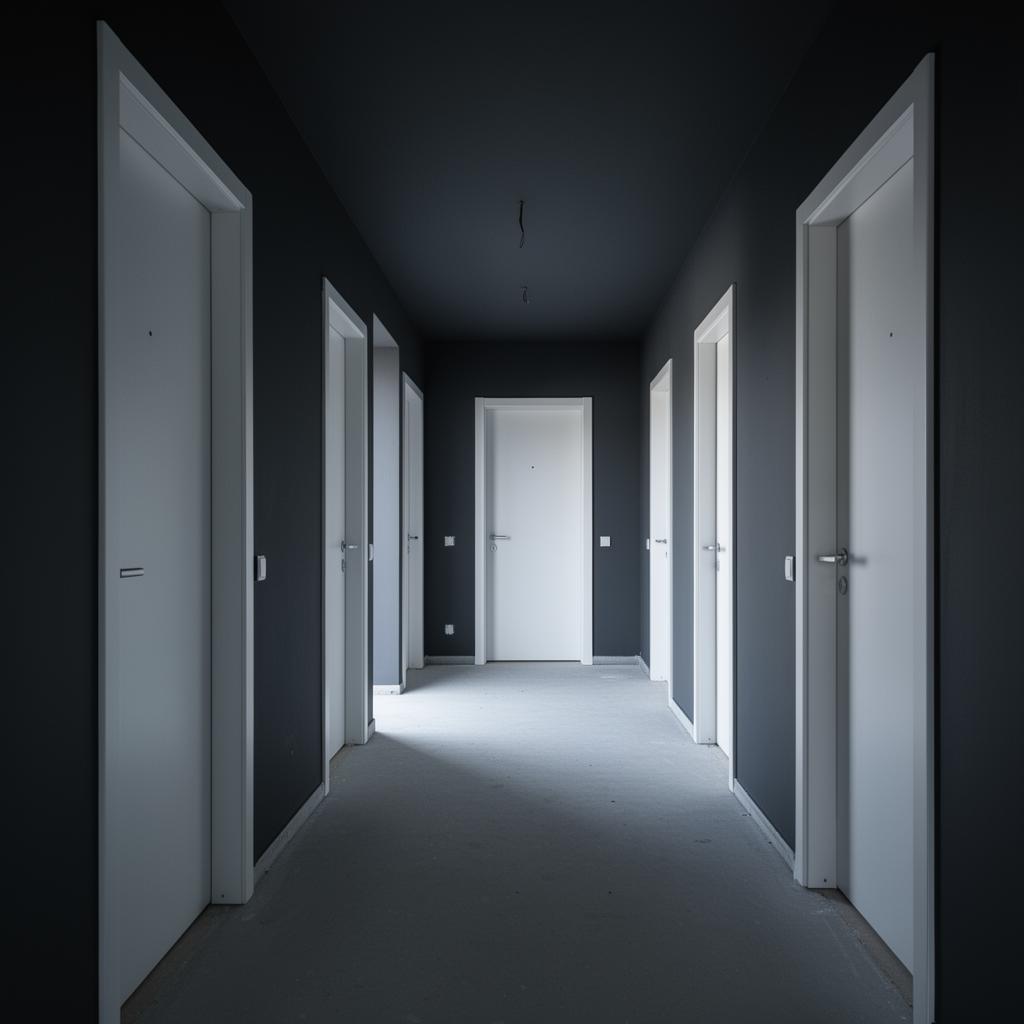
Working in occupied premises

Communicating decorating work to tenants properly

Clear tenant notice pinned to a communal noticeboard listing decorating dates and affected areas

Most complaints about occupied-building decoration come from poor communication, not the work itself. A tenant who knows exactly what's happening, when, and for how long tends to accommodate far more disruption than one who discovers a ladder outside their door with no warning.

What a proper advance notice actually contains

A useful notice tells tenants the specific dates, the specific areas affected, what access if any is needed to their own unit, and a contact for questions. We draft these to be circulated by the managing agent or landlord at least a week ahead of any work starting, longer for anything requiring access inside a flat.

  • Specific dates and affected areas named, not a vague date range
  • A named contact for questions, reachable during the working period
  • Any access required inside individual units flagged separately and clearly
Signage that answers the question before it's asked

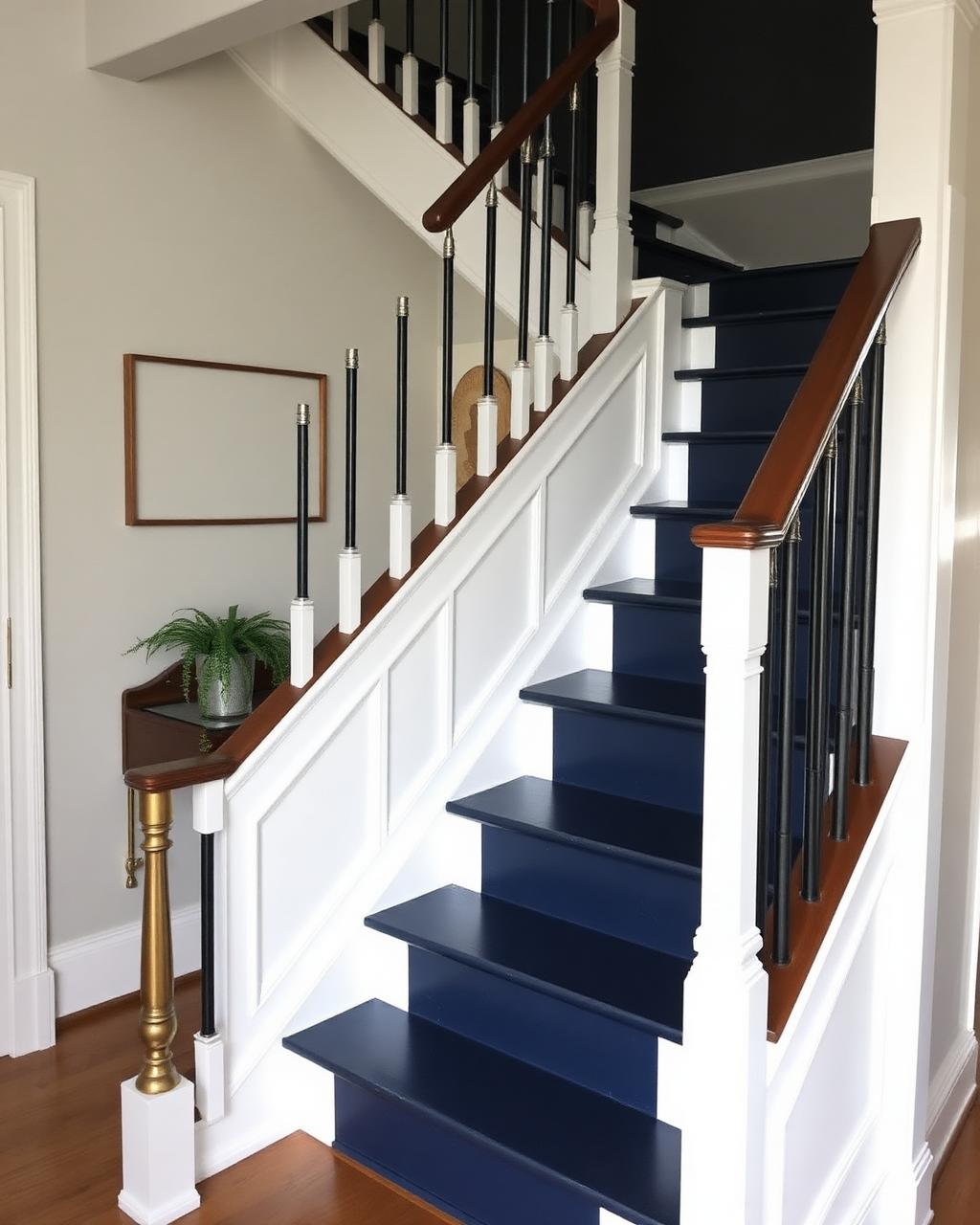
On-site signage at the point of work — 'wet paint', 'route diverted', 'lift lobby being decorated, lift in normal use' — stops the same question being asked by every tenant who passes. We put signage up before starting each day's work, not partway through once someone's already complained.

Handling the tenant who wasn't told, or didn't read the notice

Not every tenant reads every notice. When someone approaches us on site with a question the notice already answered, we treat it as a fair question anyway, explain the plan calmly, and point them to who to contact if they have a concern beyond what we can address on the spot.

Keeping the managing agent updated as the work runs

Programmes shift — weather, access delays, an unexpected repair discovered mid-job. We update the managing agent as soon as any date changes, so they can reissue notices to tenants before the change causes confusion, rather than tenants finding out only when the work doesn't happen on the day they expected.

  • Any programme change reported to the agent the same day it's known
  • Updated notices issued before the affected date, not after

Questions we are asked about this

Who is responsible for issuing notices to tenants?

Usually the managing agent or landlord, since they hold the tenant contact details, but we provide clear, ready-to-circulate wording covering dates, areas and access needs.

How much notice should tenants get before internal access is needed?

We recommend at least a week for internal flat access, longer if multiple visits are needed, so tenants can plan around it rather than being asked at short notice.

What if a tenant refuses access on the agreed day?

We reschedule that unit for later in the programme and flag it to the managing agent, rather than forcing entry or holding up the whole building's schedule.

Wet paint and route diversion signage placed at the entrance to a communal stairwell

Ask us for a draft tenant notice template tailored to your building's programme.

Good tenant liaison prevents most complaints before the first brush is even loaded.

Start your project

Planning a commercial painting or decorating project?

Speak to a Hampshire commercial decorating contractor that turns up, communicates clearly and delivers a finish that lasts.