

Working in occupied premises

Should you decant or work around occupants during decoration?

Every occupied-building decorating job eventually asks the same question: move people out for a period, or fit the work around them where they are. Neither answer is automatically right, and the honest comparison depends on room size, disruption tolerance and how much time is genuinely available.

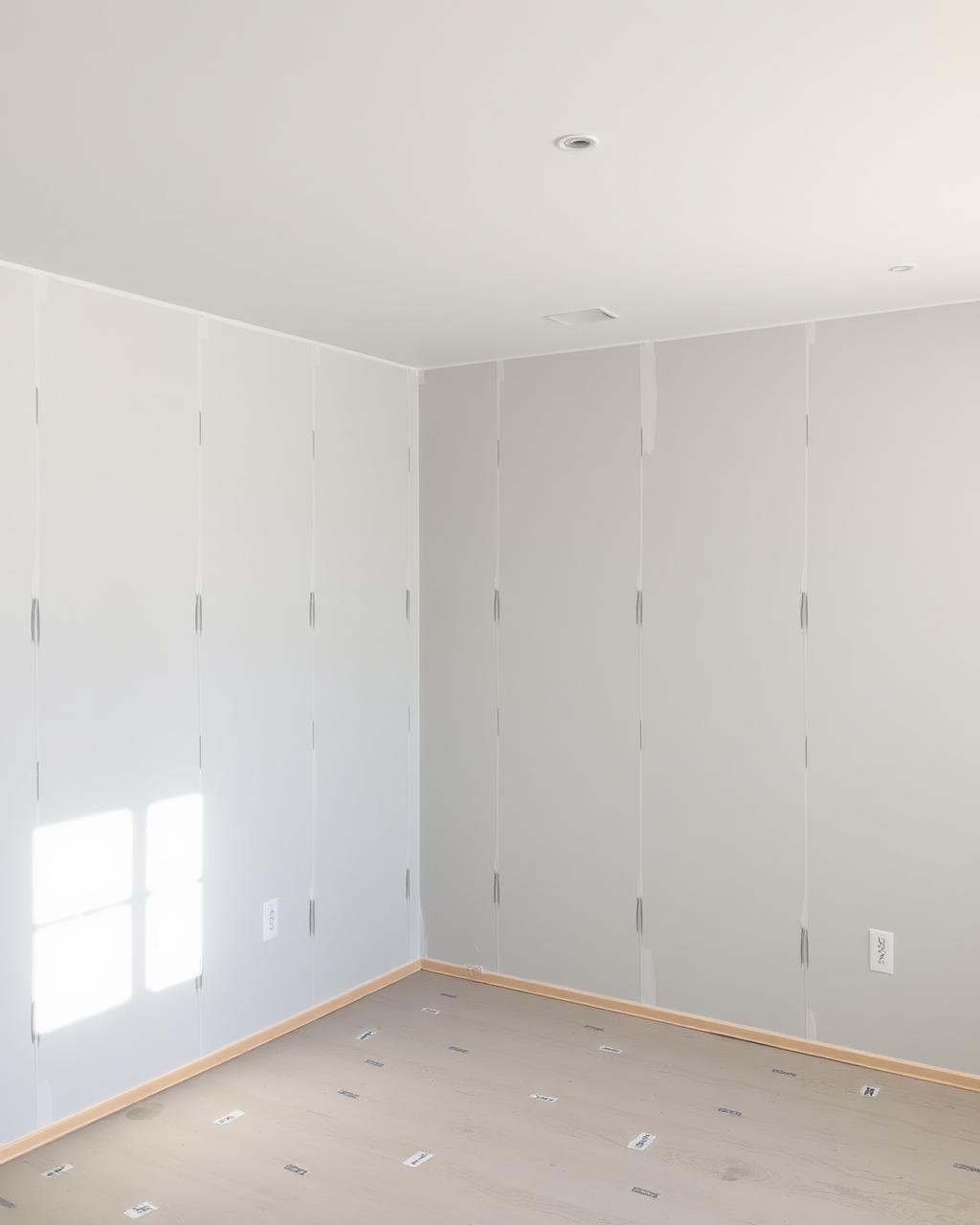
Empty decanted lounge room being coated at speed compared with a partially occupied room worked around in sections

What decanting actually buys you

Moving occupants out, even for a single room at a time, lets us work at full speed with proper access, full drying between coats, and no risk of disturbance to wet paint. Jobs that would take three visits around a desk often finish in one session with the room empty. The trade-off is the logistics and cost of somewhere for people and belongings to go, even temporarily.
What working around occupants actually costs

Fitting work around people who stay in place avoids the upheaval of a full decant, but it genuinely slows the job — sectioned working, repeated setup and pack-down, and constraints on tools like spray equipment that aren't appropriate near occupied space. The finished result can be just as good, but the programme takes longer and needs clearer daily communication.

  • Work-around jobs typically take longer per square metre than a cleared room
  • Tool choice narrows — brush and roller rather than spray in most cases
  • Daily communication becomes more important than in a decanted job

A rough way to decide, room by room

Small, heavily personalised rooms — a resident's bedroom, a single office with sensitive files — often suit working around occupants better, since a full decant is disproportionate to the disruption saved. Larger, more generic spaces — a communal lounge, an open-plan floor — often suit a short decant better, because the efficiency gain from an empty room outweighs the inconvenience of moving people out briefly.

Mixed approaches within a single programme

Most real jobs aren't one decision for the whole building. We commonly decant communal areas that empty easily and work around individual rooms that don't, rather than forcing a single method onto every space regardless of how well it fits. Deciding this room by room, not building by building, usually gives the best overall result.

  • Communal or low-personalisation spaces decanted where practical
  • Individual, hard-to-clear rooms worked around in place

How we work on this

  • We assess decant versus work-around room by room rather than applying one method to a whole building by default.
  • We switch tool choice to brush and roller as standard for any confirmed work-around room.
  • We flag where a short decant would save disproportionate time before committing to a slower work-around method.

Questions we are asked about this

Does decanting always finish the job faster overall?

Usually per room, yes, but the logistics of arranging somewhere for occupants to go can add time elsewhere in the programme, so it's not automatically faster across a whole building.

Can spray application be used if we choose to work around occupants?

Generally not close to people remaining in the space — we switch to brush and roller for work-around jobs and reserve spray for areas that are genuinely cleared.

Is a mixed approach more expensive than choosing one method for the whole building?

Not necessarily — matching the method to each room's actual needs often avoids paying for unnecessary decant logistics in rooms that didn't need it, or unnecessary slow work-around time in rooms that would have cleared easily.

Belongings temporarily relocated to a holding area during a short room decant

Talk us through your building's layout and we'll recommend decant or work-around room by room.

Decant and work-around are both valid — the right choice is usually a room-by-room decision, not a single one.

Start your project

Planning a commercial painting or decorating project?

Speak to a Hampshire commercial decorating contractor that turns up, communicates clearly and delivers a finish that lasts.