
Working in occupied premises

Decorating a shop that has to keep trading

A closed sign is expensive for a retailer, so most shop decoration happens in the gaps around opening hours: before the doors unlock, after they lock, or in a section screened off from customers entirely. The trick is making that screening look deliberate rather than like a building site has arrived.

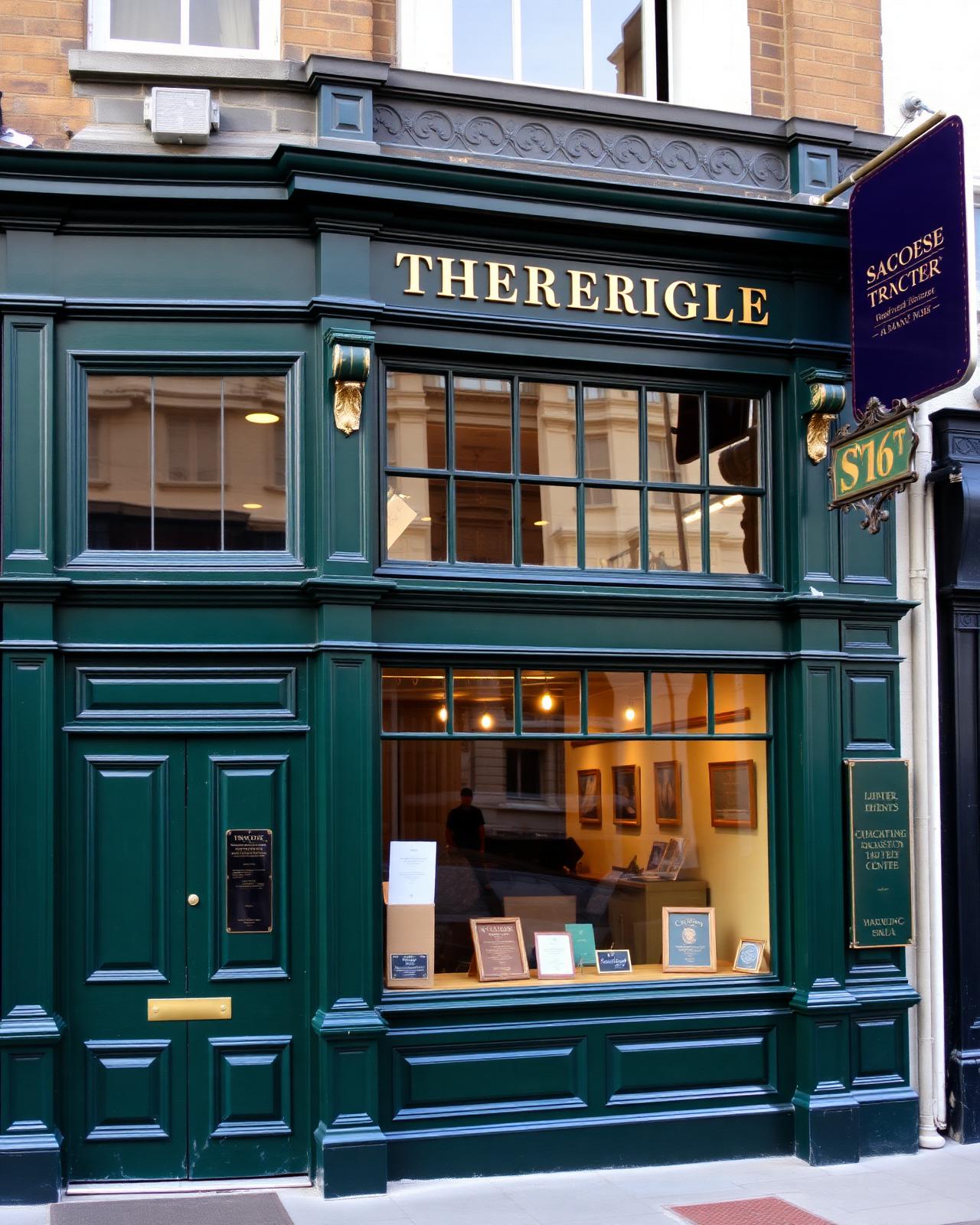
Painted shopfront reveal with a solid screen protecting an open retail unit during trading hours

Before-open and after-close windows

Early mornings before opening and evenings after close give solvent-heavy or higher-odour work a chance to happen without customers in the building. We treat these as the primary slots for anything that needs strong ventilation or genuinely can't be done with people browsing nearby.
Till counter and surrounding woodwork finished in a harder-wearing satin for daily handling

Screening a live section without it looking like a hazard

Customers don't want to walk past a ladder and open paint tin. A tidy screen — solid boards or heavy sheeting on a proper frame, with clear signage — keeps the working area contained and actually reassures shoppers rather than unsettling them.

  • Screens built to a genuine barrier standard, not just draped sheet
  • Signage explains what's happening rather than leaving it to guesswork
  • Tools and open tins never left visible from the shop floor

Protecting stock and displays as a first task, not an afterthought

Shelving, mannequins and till points get moved or fully sheeted before any brush comes out, and we agree with staff exactly which fixtures we're allowed to shift ourselves versus which need their own team to handle. Getting this sequence backwards is how stock gets marked or a display gets broken.

Matching the finish to what customers actually touch

Shopfront reveals, door handles and the areas right by the till get handled constantly, so we specify a harder-wearing finish there even where the rest of the unit is on a standard scheme. It costs little extra and avoids an early repaint on the one part of the shop everyone touches.

  • High-touch zones identified with the retailer before spec is finalised
  • Sheen and durability upgraded at door handles, counters and till surrounds

How we work on this

  • We build solid, signed screening around live work areas rather than relying on loose sheeting.
  • We agree fixture and stock handling responsibilities in writing before any furniture is moved.
  • We upgrade sheen and durability at door handles and till surrounds as standard on retail work.

Questions we are asked about this

Can the shopfront be painted while the shop is open?

External shopfront work can often continue during trading if it doesn't block the entrance, but window displays and signage areas are usually done outside trading hours to avoid distracting or blocking customers.

Will paint smell put customers off?

It can, which is why we favour low-odour products for daytime work and reserve stronger products for before or after hours with the doors open to ventilate overnight.

Who's responsible if stock gets damaged during the work?

We agree in writing before starting exactly which items we move and protect ourselves, and which the retailer's own staff handle, so responsibility is clear rather than assumed.

Tell us your trading hours and we'll propose a before-open, after-close or screened working sequence.

Shop decoration works around the till, not the calendar — plan the daily gaps and screen the rest.

Start your project

Planning a commercial painting or decorating project?

Speak to a Hampshire commercial decorating contractor that turns up, communicates clearly and delivers a finish that lasts.