
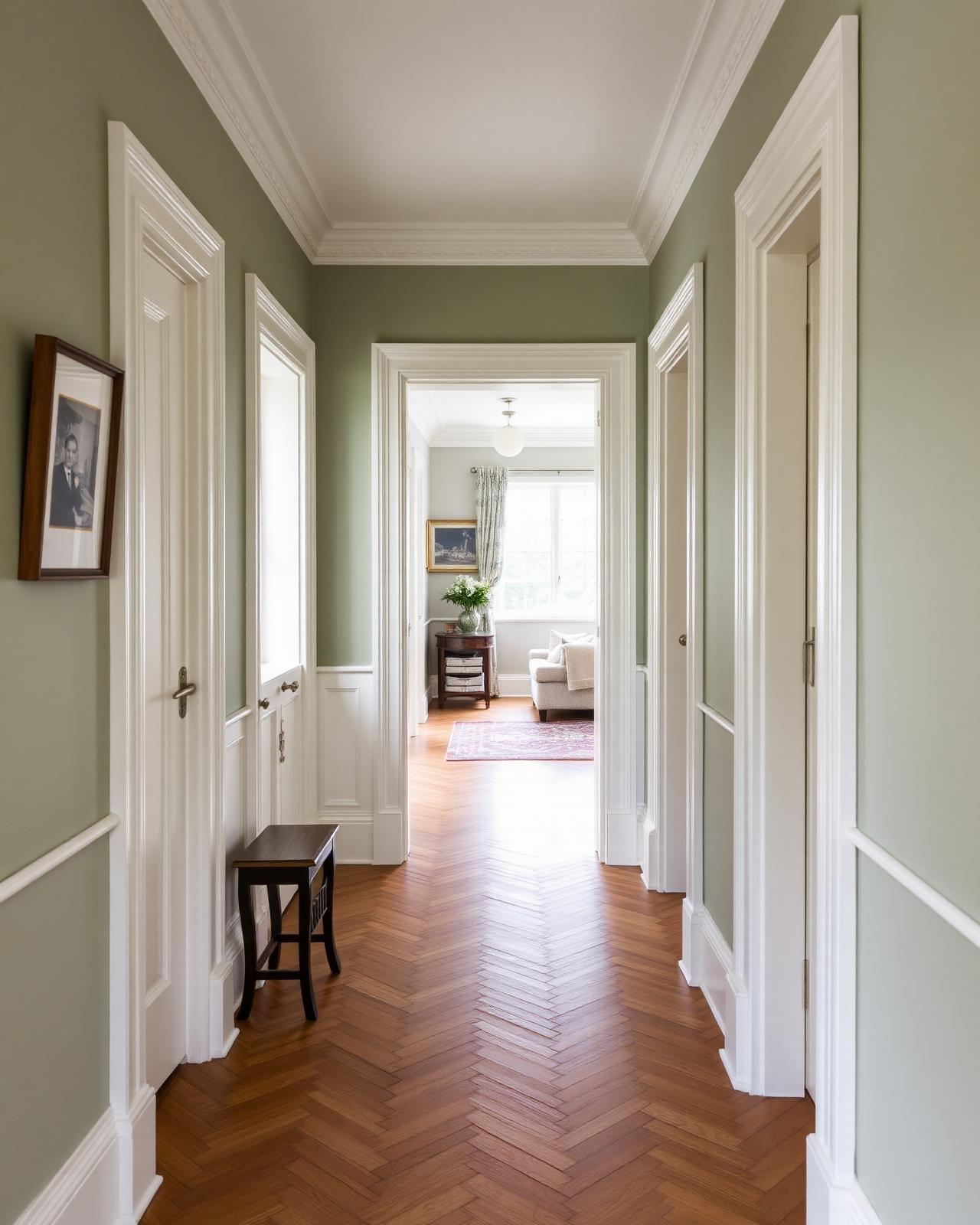
Working in occupied premises

Choosing low-VOC coatings for rooms that stay in use

Open window and running extractor fan in a freshly painted occupied bedroom

Nobody wants to sit at a desk or sleep in a room that smells of fresh paint, but low odour and genuine performance aren't automatically the same thing. We choose coatings on what the room actually needs, then find the lowest-VOC product within that category rather than defaulting to the mildest option regardless of durability.

What VOC labelling actually tells you

Paint tins carry a VOC classification, but that number describes solvent content, not smell intensity or durability on its own. A minimal-VOC product can still have a noticeable odour during application, and a higher-VOC specialist coating can outlast three coats of something milder in a heavy-traffic area. We read the data sheet, not just the tin label.
Where low-odour water-based systems are the right default

Bedrooms, offices, classrooms and any occupied space without strong extraction get water-based, low-VOC emulsions and eggshells as standard. Performance in these products has improved enough that the trade-off against solvent-based alternatives is now genuinely small for most wall and ceiling work.

  • Water-based emulsion and eggshell specified as the default for occupied rooms
  • Odour typically clears within a working day given normal ventilation
  • Colour range and finish quality now comparable to solvent-based equivalents

When we still recommend a stronger product

Some jobs genuinely need a solvent-based or two-pack system — heavy-duty floor coatings, certain metal primers, or areas exposed to constant moisture and abrasion. Where that's the case, we say so honestly and plan the work for a time and location where the smell and cure period cause the least disruption, rather than forcing a milder product onto a job it isn't suited to.

Managing the smell that does occur

Even the lowest-odour paint has some smell while wet. We open windows and run extraction wherever the building allows it, work rooms in a sequence that keeps the strongest smell furthest from occupied areas, and tell staff or residents in advance roughly what to expect and for how long.

  • Ventilation planned before work starts, not improvised on the day
  • Occupied areas kept upwind or downstream of the working room where layout allows

Questions we are asked about this

Is low-VOC paint less durable than standard paint?

For most wall and ceiling applications, no — modern low-VOC formulations perform comparably. For specialist floor and heavy-metal coatings, some higher-performance products still carry more solvent, and we'll flag that trade-off honestly.

How long before a room is smell-free after painting?

With reasonable ventilation, most low-VOC water-based products clear within a working day. Stronger specialist coatings can take longer, which we build into the handover timing.

Can people stay in the building while low-VOC paint is applied?

Generally yes in a well-ventilated space, though we still recommend keeping people out of the immediate work area until the surface is touch-dry.

Data sheet and paint tin compared side by side to check VOC content before specification

Tell us which rooms stay occupied and we'll specify products against that constraint directly.

Low-VOC paint is the right default for occupied rooms, chosen on genuine need rather than habit.

Start your project

Planning a commercial painting or decorating project?

Speak to a Hampshire commercial decorating contractor that turns up, communicates clearly and delivers a finish that lasts.