
Working in occupied premises

Decorating corridors without compromising escape routes

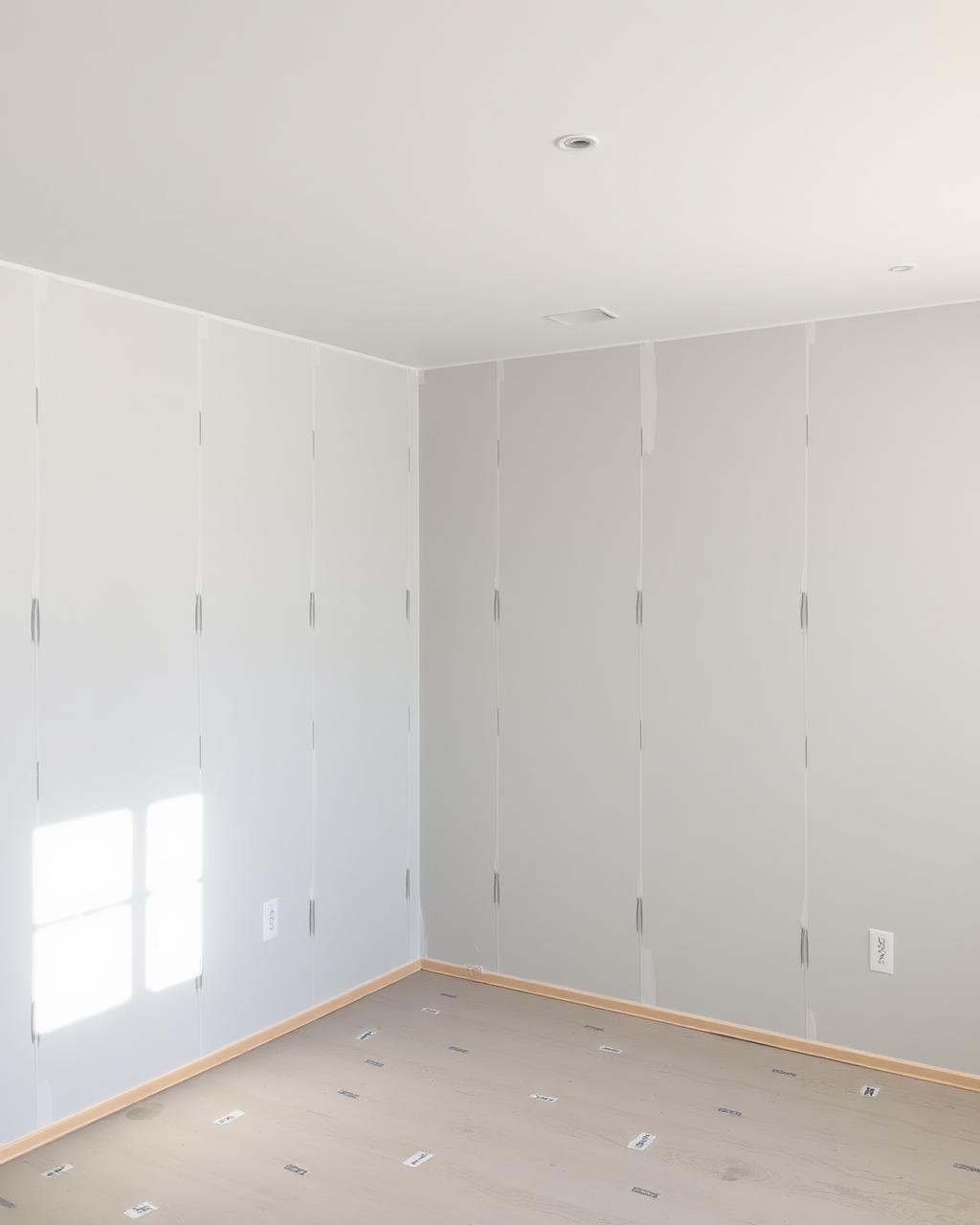
Corridor with one side freshly painted and a clear dry path maintained along the opposite wall

A corridor that doubles as a fire escape route can't be treated like an ordinary work area. Ladders, wet floors and stacked equipment that would be a minor inconvenience elsewhere become a genuine safety issue in a designated route, so the planning has to start with the fire strategy, not the paint schedule.

Questions we are asked about this

Can a fire door be taken off its hinges for painting?

Yes, but it's rehung, tested for self-closing and re-certified the same day rather than left off overnight, and the route is never left without a functioning door during that time.

Do you need sight of our fire risk assessment before working in a corridor?

It helps considerably — knowing which routes are designated escape routes and what minimum widths apply lets us plan the work correctly from the outset rather than adjusting on site.

What happens if there's a fire drill while a corridor is being painted?

Work stops immediately, equipment is pulled clear of the route, and the corridor is left fully passable for the duration of the drill or any real evacuation.

Checking the fire strategy before planning the work

We ask to see the building's fire strategy or evacuation plan before quoting any corridor work, specifically to identify which routes must remain unobstructed at all times and which have any flexibility. This single document changes how we sequence almost everything that follows.
Fire door being rehung and tested for self-closing after being removed for painting

Never fully blocking a route, even briefly

Where a corridor is a sole escape route, we work one side at a time, keeping a genuine clear width available throughout, rather than closing the whole corridor even for a short period. Equipment, ladders and paint tins are kept tucked against the worked side, never spanning the passage.

  • Minimum clear width confirmed with the site's fire safety responsible person
  • Equipment kept against the wall being worked, never spanning the corridor
  • Any temporary narrowing agreed and time-limited, never left overnight

Managing wet floors and slip risk

A freshly painted or varnished floor section in an escape route is a genuine hazard if someone needs to run through it in an emergency. We coat floors in narrow strips with a dry, usable path always maintained alongside, and we never leave a fully wet floor across the full width of a route, even overnight.

Fire doors, signage and alarm call points

Fire doors along the route must self-close and seal properly at all times, so we mask around them rather than propping them open for convenience, and any door taken off for painting is rehung and tested the same day. Signage and alarm call points stay fully visible and unobstructed throughout.

  • Fire doors never left open or wedged during working hours
  • Signage and call points checked for visibility at the end of every session

How we work on this

  • We request sight of the fire strategy before quoting any designated escape route decoration.
  • We keep a genuine minimum clear width available throughout corridor work, agreed with the site's fire safety lead.
  • We rehang and test any fire door removed for painting on the same working day.

Share your fire strategy plan and we'll confirm the working method for each affected corridor.

Corridor decoration is planned around the fire strategy first and the paint finish second.

Start your project

Planning a commercial painting or decorating project?

Speak to a Hampshire commercial decorating contractor that turns up, communicates clearly and delivers a finish that lasts.