
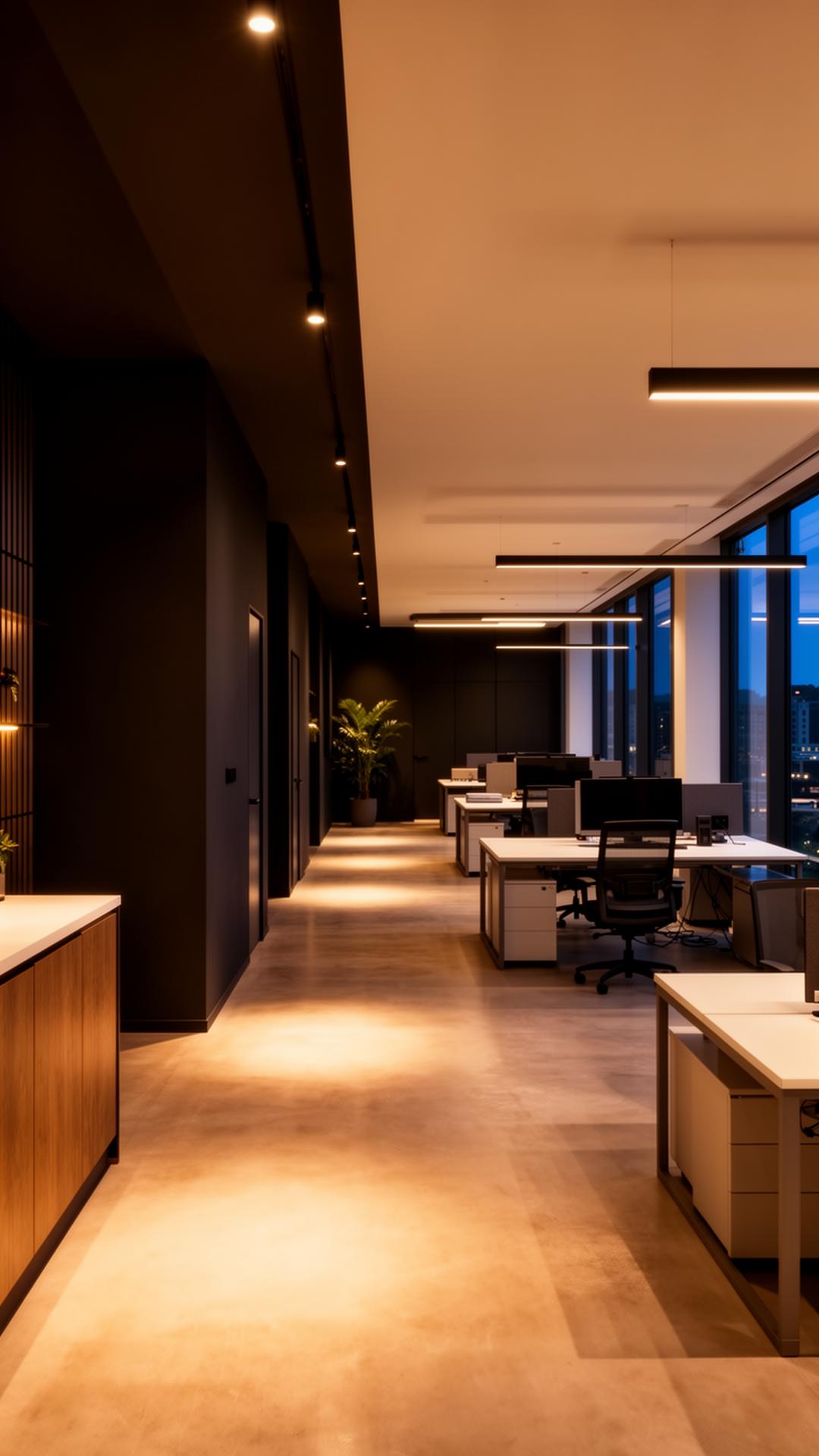
Working in occupied premises

Painting in buildings that never fully close

A site with a night shift has no quiet hours, only different quiet people. The work has to move to wherever the current shift isn't standing, and the handover between day and night crews becomes the moment paint actually goes on the wall.

Decorator applying paint to a corridor wall under work lighting during a night shift changeover

Reading the shift pattern before quoting

We ask for the actual rota, not a guess at it, because a three-shift rotation leaves genuinely different gaps each week. A corridor that is empty at 2am on a Tuesday might be a thoroughfare at 2am on a Friday when a different team is in. Getting this wrong means paint tins sitting untouched for a week while we wait for a window that never opens.
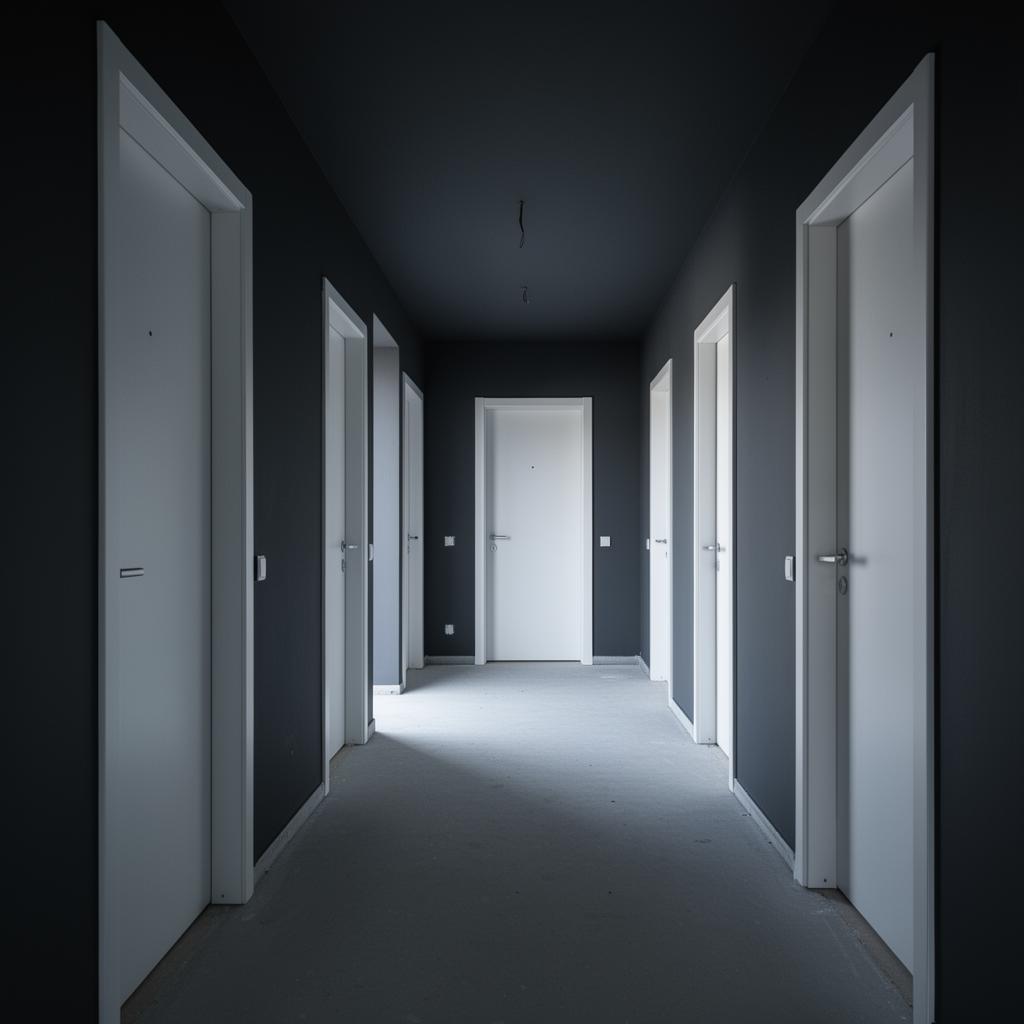
Matching the smell to the hour

Low-odour systems matter more overnight than during the day, because tired staff notice smell faster and complain sooner. We favour water-based systems with the lowest practical VOC content for any area within a few metres of a rest room, break area or sleeping pod.

  • Solvent-based products reserved for areas with genuine extract
  • Doors between work area and occupied space kept shut and sealed
  • Extraction fans left running through the drying period, not switched off at knock-off

The handover note that actually gets read

A note taped to a door gets ignored by the third shift. We brief the site's own shift supervisor directly, in person, at the changeover, and leave a written note as backup rather than as the only communication. It states what was painted, what's still wet, and what time it will be safe to lean on.

Working the gaps in production, not around them

On a manufacturing floor, machinery downtime windows are usually fixed and short. We treat those slots as the actual working day and plan material mixing, masking and clean-up for the times either side, so paint only touches a wall during the minutes the line is actually stopped.

  • Masking and protection done before the machine stops
  • Coating applied within the confirmed downtime window
  • Clean-up and tool storage completed before restart

How we work on this

  • We work directly from a client's shift rota rather than assuming standard daytime hours.
  • We brief outgoing and incoming shift supervisors in person at every handover during multi-night work.
  • We isolate and reinstate fire detection only with written site authorisation, logged at the time.

Questions we are asked about this

Do you charge more for night working?

Night and unsocial hours cost more to staff than daytime work, and we say so plainly in the quote rather than folding it into a single day rate that then surprises everyone.

Can you paint while a production line is running nearby?

Only with proper segregation and confirmation that fumes and dust won't reach the process. On food or precision manufacturing sites we usually need the line stopped or fully enclosed.

How do you avoid setting off smoke alarms overnight?

We isolate detectors in the immediate work zone with the site's permission and reinstate them the same session, logging every isolation and reinstatement with whoever holds the fire safety responsibility.

Masked-off machinery on a factory floor during a scheduled downtime window

Send us your shift pattern and floor plan and we'll map out which nights suit which areas.

Night shift decorating works when the paint follows the people, not the clock.

Start your project

Planning a commercial painting or decorating project?

Speak to a Hampshire commercial decorating contractor that turns up, communicates clearly and delivers a finish that lasts.