
Colour, sheen and finish

What deep, dark colours mean for coverage and coats

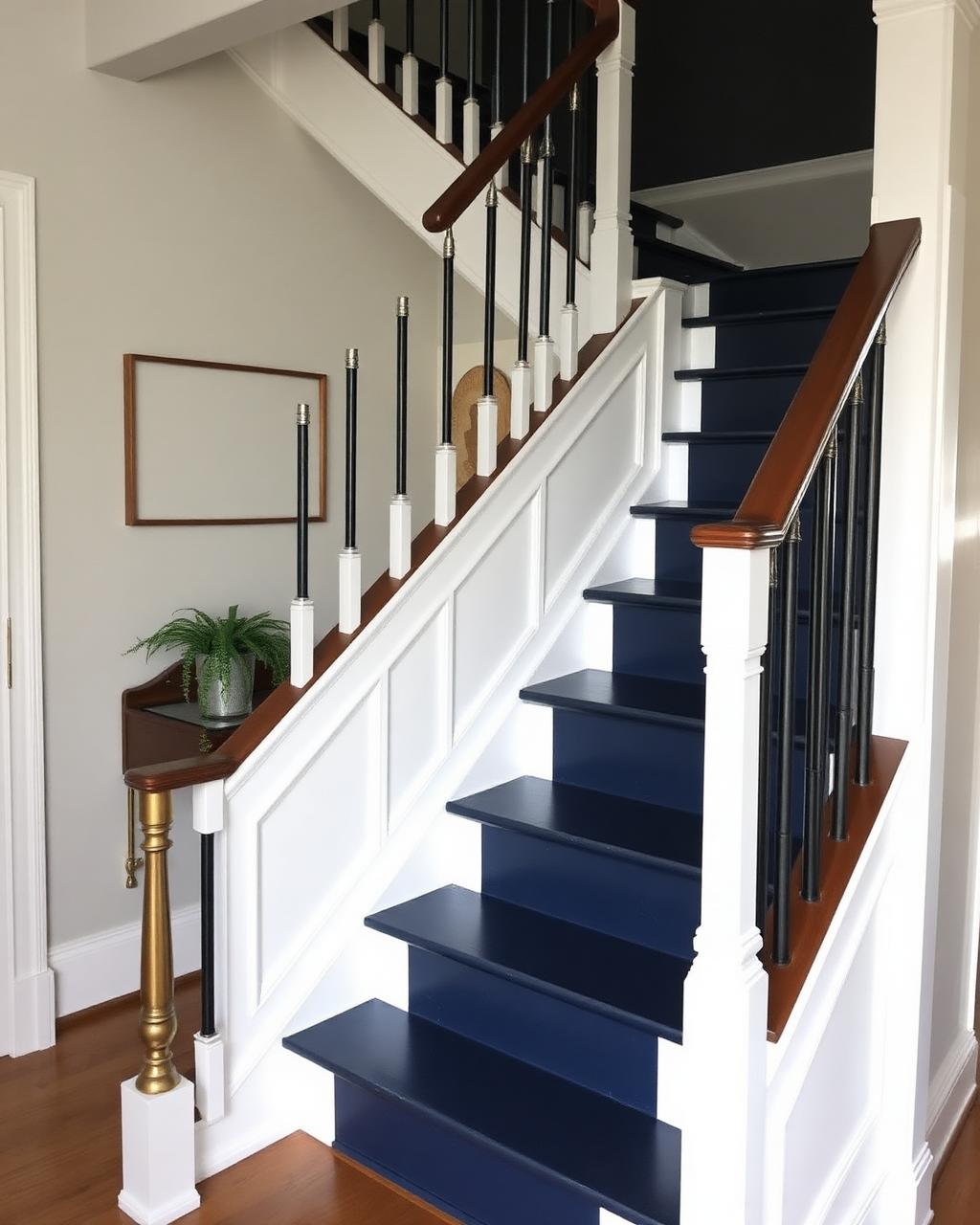
A deep navy wall painted in a living room with a lighter grey tinted undercoat visible at the edge

A strong navy or near-black wall rarely goes on in two coats over a pale existing colour, whatever the tin claims. The pigment load that gives dark paint its depth also makes it behave differently at the roller, and planning for that avoids a job that stalls halfway through.

Questions we are asked about this

How many coats does a dark colour usually need?

Three finish coats over a suitably tinted undercoat is a realistic starting point, more if the existing wall is pale and the new colour is very saturated.

Will a dark colour show every roller mark?

It can, particularly in gloss or satin finishes, so consistent technique and working a wet edge matter more here than on a pale, forgiving colour.

Does dark paint cost more to apply?

The material cost and labour time both tend to rise because of the extra coats, so it is worth budgeting for that from the start rather than being surprised mid-job.

Why dark colours need more material, not just more coats

Heavily pigmented paints are often thicker and less self-levelling than pale tints, which changes brush and roller technique as much as it changes coat count. Cutting in edges cleanly on a deep colour takes a steadier hand because any thin patch shows as a lighter streak once it dries.
The tinted undercoat shortcut that actually works

Going from a pale wall straight to a near-black topcoat can take three or four coats if the base stays white. A grey or mid-tone tinted undercoat closes that gap fast, because the final coats are then covering a similar depth of colour rather than fighting bright white showing through.

  • Ask the paint supplier to tint the undercoat towards the topcoat
  • Plan for three finish coats as the realistic default on a colour change this big
  • Allow proper drying time between coats rather than rushing recoats

Where dark colour changes plans elsewhere in the room

A dark wall pulls light out of a room, which can mean the ceiling, trim and even the flooring read differently once it is up. It is worth looking at the whole room together before committing, because a colour that looked bold on a sample card can make a small room feel genuinely smaller.

  • Check natural light levels at different times of day first
  • Consider whether trim needs to lighten to balance the wall
  • Think about how artificial lighting will sit against the new depth of colour

How we work on this

  • We tint undercoats towards the finish colour to cut the number of topcoats needed
  • We test coverage on a sample board before committing the whole room to a dark colour
  • We sequence dark colour rooms with enough drying time between coats built into the programme
Paint tray with dark charcoal emulsion and a roller loaded evenly

Send us the colour you are considering and we will confirm a realistic coat count before you buy paint.

A dark colour is achievable in most rooms, but it needs an honest coat count and a tinted undercoat to get there cleanly.

Start your project

Planning a commercial painting or decorating project?

Speak to a Hampshire commercial decorating contractor that turns up, communicates clearly and delivers a finish that lasts.