
Working in occupied premises

Decorating a care home without disorienting residents

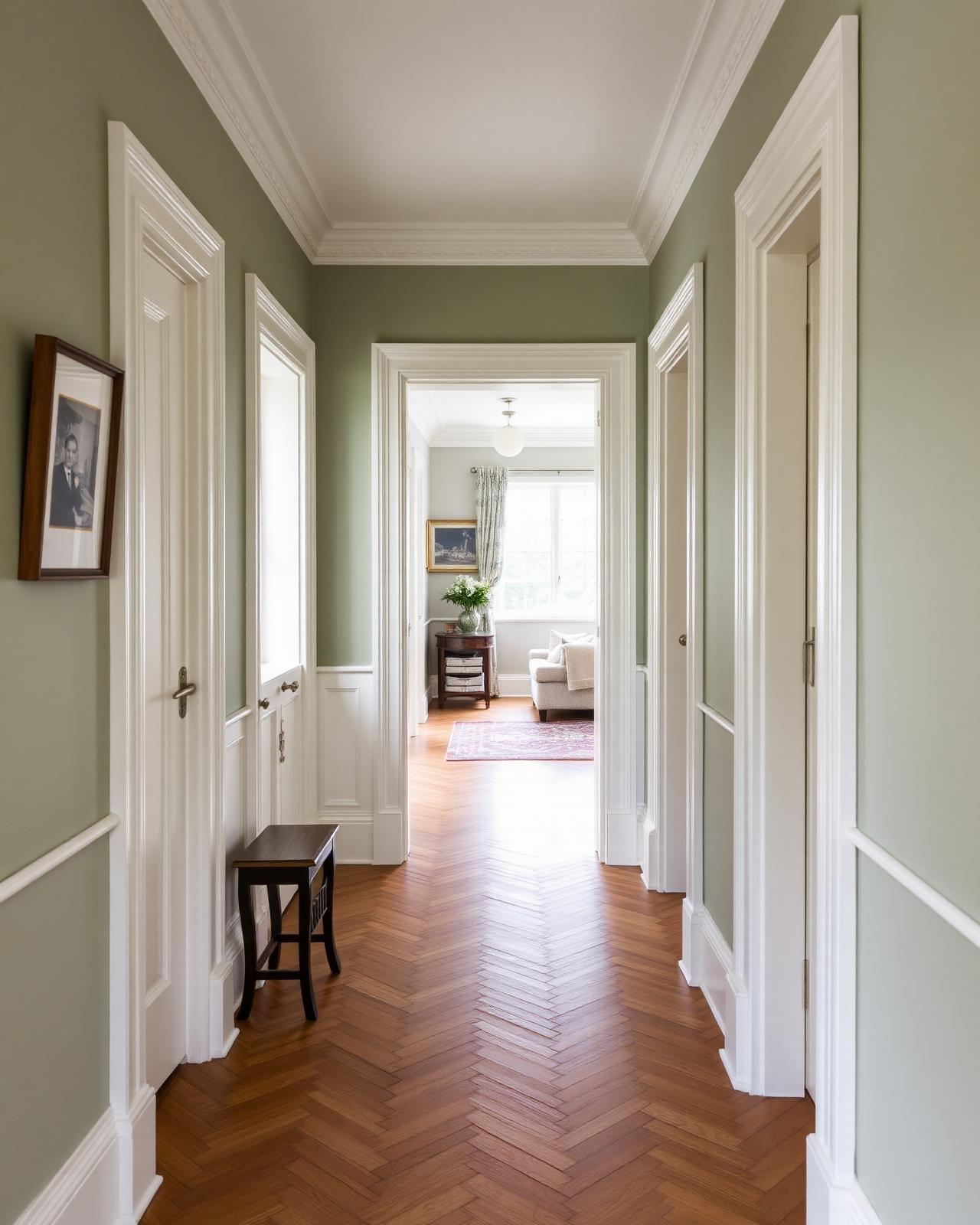
Care home corridor with familiar orientation colour scheme kept unchanged during redecoration

A resident living with dementia can find an unfamiliar smell, a moved chair or a changed wall colour genuinely disorientating, sometimes more than the noise of the work itself. We plan care home decoration around that reality rather than treating it as just another commercial job with softer carpets.

Questions we are asked about this

Can you work while residents are present in communal areas?

We prefer to work in a room after residents have moved elsewhere for the day where possible, but where that isn't practical we keep noise and disruption to a minimum and stop if a resident is visibly distressed.

Do you use low-odour paint as standard?

Yes, throughout a care setting, not only in bedrooms — the smell of fresh paint can be disorientating for residents even in areas they only pass through.

What if a resident's room colour needs to change for maintenance reasons?

We flag this to care staff before quoting so they can discuss it with the resident or their family in advance, rather than the change simply appearing one day.

Introducing the work before it starts

Sudden change is the enemy. Where staff can arrange it, we like a short introduction visit before work begins, so familiar faces see us once in ordinary clothes before we arrive in overalls. It's a small thing that noticeably reduces anxiety on the first working day.
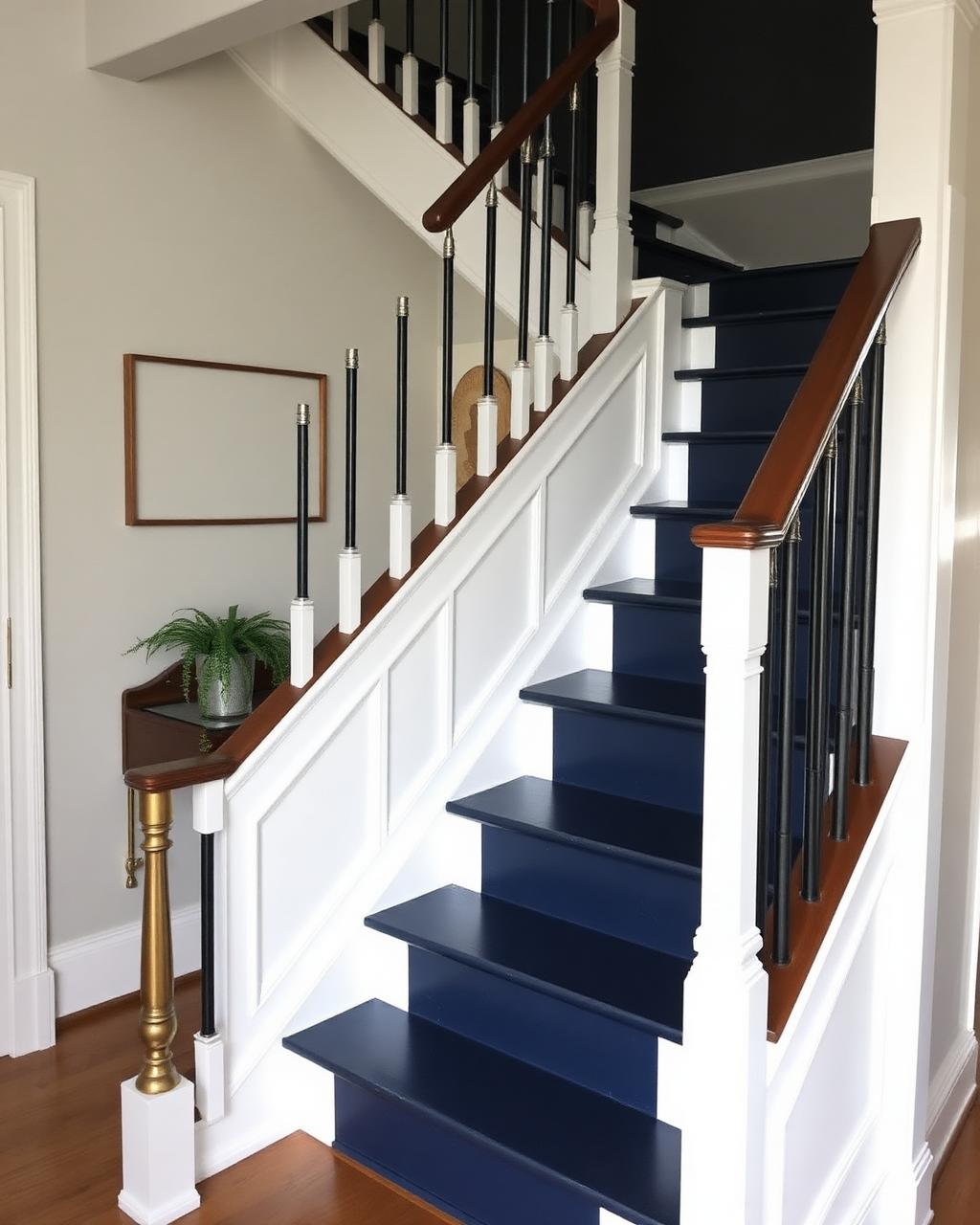
Resident's bedroom belongings arranged on a covered table ready to be reinstated after painting

Keeping orientation cues in place

Many care homes use colour, signage or familiar objects to help residents find their own room or the dining area. We never remove or repaint these without checking first, and where a corridor's colour scheme is doing a genuine orientation job, we match it rather than assume a refresh means a change.

  • Door colours and room-identifying features checked before any repaint
  • Signage and picture rails left in place unless specifically asked to change
  • New colours discussed with care staff, not chosen on appearance alone

Noise, smell and timing around routine

Mealtimes, medication rounds and settled rest periods are fixed points in a resident's day that shouldn't be interrupted. We ask staff for the daily routine and build our working hours around it, keeping noisier preparation work — sanding, moving furniture — to times when communal areas are naturally quieter.

Working in bedrooms and personal spaces

A resident's own room holds personal, sometimes irreplaceable belongings arranged in a way that matters to them. We photograph the room before touching anything, move items with a staff member present, and put everything back exactly where it was rather than to a tidier arrangement of our own choosing.

  • Rooms photographed before any furniture is moved
  • A staff member present whenever personal belongings are handled

How we work on this

  • We check orientation-relevant colours and signage with care staff before any repaint proceeds.
  • We photograph residents' rooms before moving belongings and reinstate them to their original position.
  • We plan working hours around each home's meal and medication routine rather than a fixed shift pattern.

Talk us through your home's daily routine and we'll build the working programme around it.

Care home decoration succeeds by protecting routine and orientation, not just finishing on schedule.

Start your project

Planning a commercial painting or decorating project?

Speak to a Hampshire commercial decorating contractor that turns up, communicates clearly and delivers a finish that lasts.