
Access, safety and compliance

Keeping the public safe during shopfront decorating

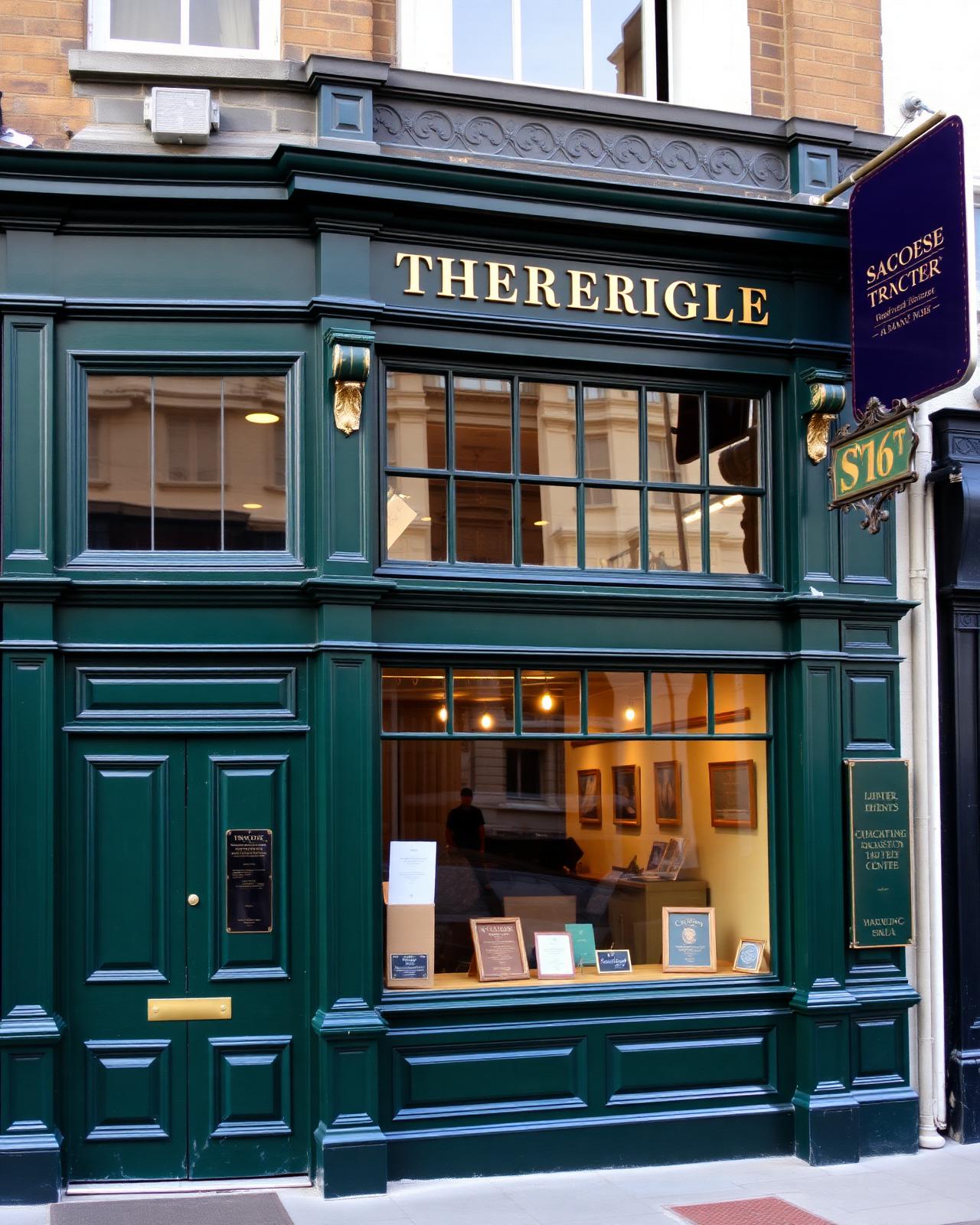
A shopfront sits directly on the pavement, so decorating it means working a few feet from a constant stream of pedestrians, prams, wheelchairs and delivery trolleys. The controls that matter most are not aimed at the operative on the ladder — they are aimed at everyone walking past.

A barriered shopfront work zone with wet paint signage set back from a busy pavement.

Barriers and a clear pedestrian route

Materials, equipment and wet paint are kept back from the pavement edge, with a barrier or cordon marking the working zone clearly enough that someone glancing at their phone still notices it. Where the pavement narrows, we agree an alternative route or timing with the shop and the local authority rather than squeezing pedestrians past open paint.

  • Working zone barriered and clearly signed from a distance
  • Wet paint signage kept up until fully touch-dry, not just visually dry
  • Trip hazards from leads and hoses routed away from the footpath

A clear pedestrian route maintained past a partially masked shop entrance during trading hours.

Timing around trading hours

Where a shop needs to stay open, we discuss which elements can be done before or after trading hours and which genuinely need daytime access, then plan so the shopfront is never left half-masked and confusing during busy periods.

Customers entering and leaving during work

The doorway itself gets particular attention — signage, a clear route in and out, and materials moved out of the immediate entrance during peak footfall, so customers are not squeezing past ladders to get through the door.

How we work on this

  • We barrier and sign the working zone clearly for passing pedestrians
  • We prioritise keeping the shop entrance clear during trading hours
  • We flag pavement licensing needs during the survey stage

Questions we are asked about this

Can you work while the shop stays open?

Often yes, with the doorway and entrance treated as a priority zone kept clear, and noisier or messier tasks scheduled around quieter trading periods.

Do you need permission from the council for pavement barriers?

Depending on the location and how much of the pavement is affected, a licence may be needed — we can flag this during the survey so it is arranged in good time.

What if someone touches wet paint by accident?

Clear signage is kept up for the full drying period, but we also keep an eye on the barrier during working hours to intervene if someone is about to lean on fresh paint.

Tell us your trading hours and we will plan the barrier and work sequence around them.

Shopfront decorating safety is mostly about the pavement, not the ladder — a clear route matters more than anything else.

Start your project

Planning a commercial painting or decorating project?

Speak to a Hampshire commercial decorating contractor that turns up, communicates clearly and delivers a finish that lasts.