
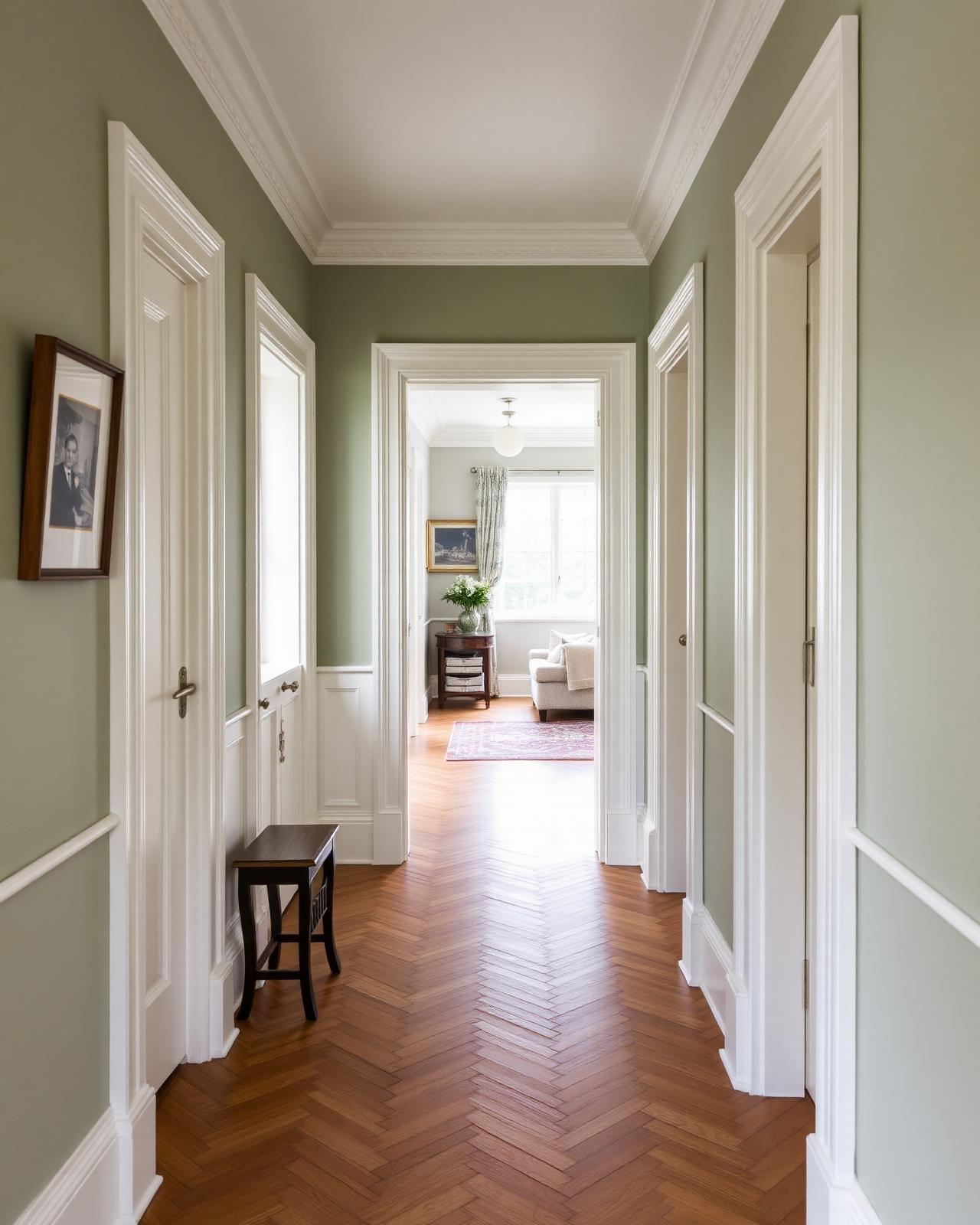
Application and spraying

Why fresh plaster always gets a mist coat first

New plaster is highly porous and absorbs paint unevenly across a wall, drawing more moisture out of some areas than others depending on how the plaster was floated and how it has dried. A mist coat — a diluted first coat of emulsion — controls that uneven suction before any full-strength colour goes on, and skipping it is one of the more common reasons new-build walls look patchy under the final finish.

Fresh plaster wall being coated with a diluted mist coat using a roller.

What the dilution is actually doing

Thinning the first coat, typically with a measured amount of water added to matt emulsion, lets it soak evenly into the plaster's surface rather than sitting on top and drying to a variable sheen. The exact dilution ratio depends on the plaster's absorbency and the specific paint, which is why a fixed ratio applied regardless of the wall is a common mistake.

  • Dilution adjusted to the plaster's actual absorbency, not a fixed recipe
  • Test patch checked for even suction before mist coating the whole wall
  • Product manufacturer guidance followed for dilution limits
Timing against the plaster's drying

Plaster needs to be genuinely dry, not just dry to the touch, before mist coating, since sealing in residual moisture traps it behind the paint film and can cause peeling emulsion later. On a new-build programme this sometimes conflicts with a tight handover date, and being honest about drying time protects the finish far more than hitting an arbitrary deadline.

Spotting uneven suction before the full coat

Once the mist coat is dry, patches that still look duller or more matt than the surrounding area indicate spots of higher suction that need a further diluted coat before the full-strength colour goes on. Moving straight to the finish coat over uneven suction bakes that unevenness into the final sheen.

  • Dry mist coat inspected under raking light for dull patches
  • High-suction patches given a second diluted pass
  • Full colour only applied once suction reads as consistent

Tape-and-jointed plasterboard versus wet plaster

Taped and jointed drywall generally has more even, lower suction than traditional wet plaster, but the jointing compound itself is often more porous than the surrounding board, which can show through a full-strength coat as a slight shadow. A mist coat evens this difference out just as it does on wet plaster, though the dilution needed is usually less.

How we work on this

  • We test suction with a patch before mist coating a whole new-build wall.
  • We check plaster is genuinely dry throughout, not just to the touch, before sealing it with a mist coat.
  • We inspect the dried mist coat under raking light and re-treat high-suction patches before the finish colour goes on.

Questions we are asked about this

How long should plaster dry before mist coating?

It varies with plaster thickness, ventilation and season, but as a rule the wall should be genuinely dry throughout, not just dry on the surface — we check rather than assume.

What happens if you skip the mist coat?

The finish coat is likely to dry with visible patches of differing sheen where suction varied across the wall, which no amount of extra full-strength coats fully corrects.

Is a mist coat needed on plasterboard as well as wet plaster?

Generally yes, particularly over jointing compound, which is often more porous than the board and can show through a full-strength coat without it.

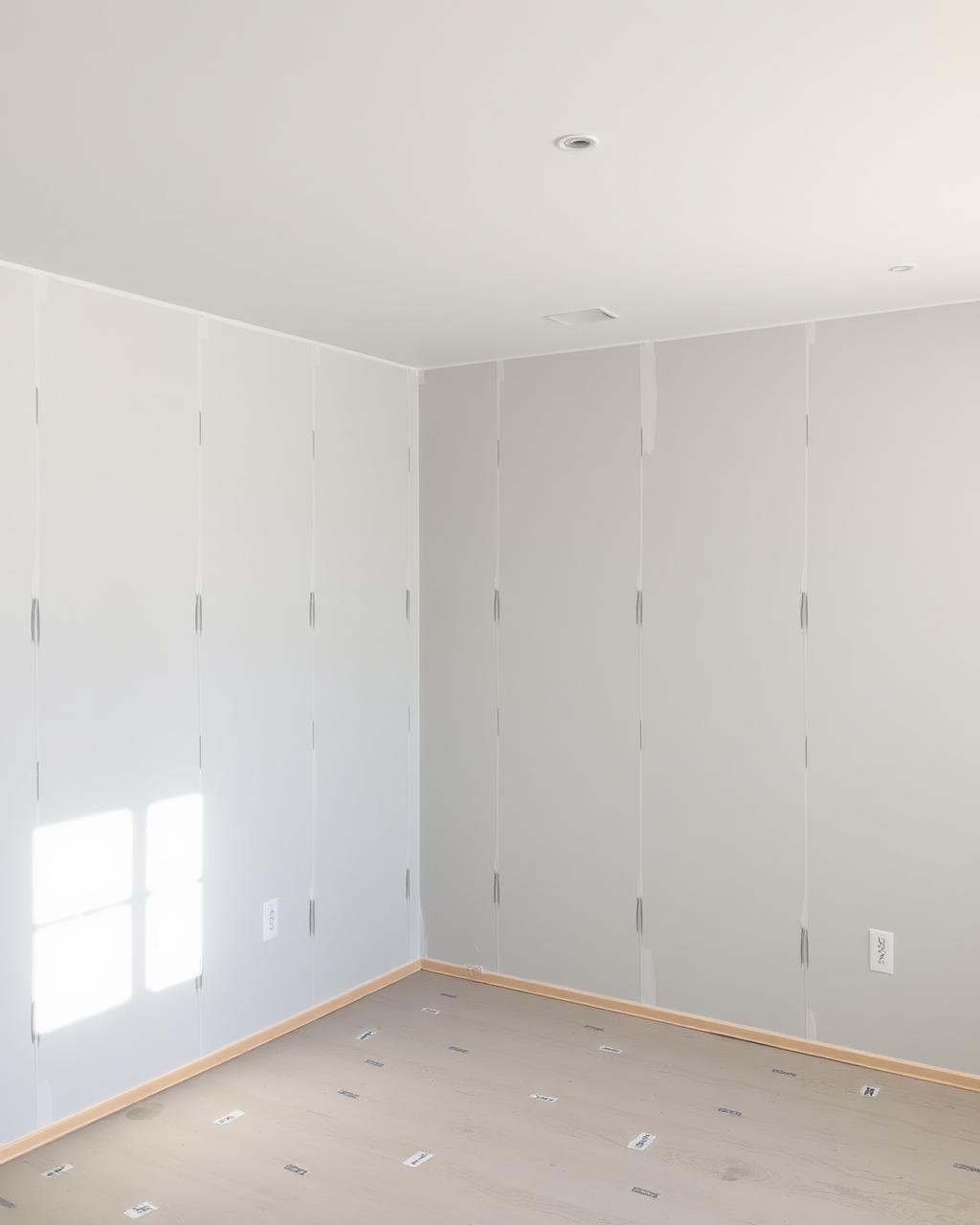
Newly plastered room showing even matt sheen after mist coating under raking light.

Tell us your handover date and we will confirm a realistic mist coating and drying programme for your plaster.

A properly judged mist coat is what stops new plaster showing patchy sheen under the finished colour.

Start your project

Planning a commercial painting or decorating project?

Speak to a Hampshire commercial decorating contractor that turns up, communicates clearly and delivers a finish that lasts.