Application and spraying

Air-assisted airless: the middle ground for joinery

Spray gun with air cap finishing a long run of skirting board.

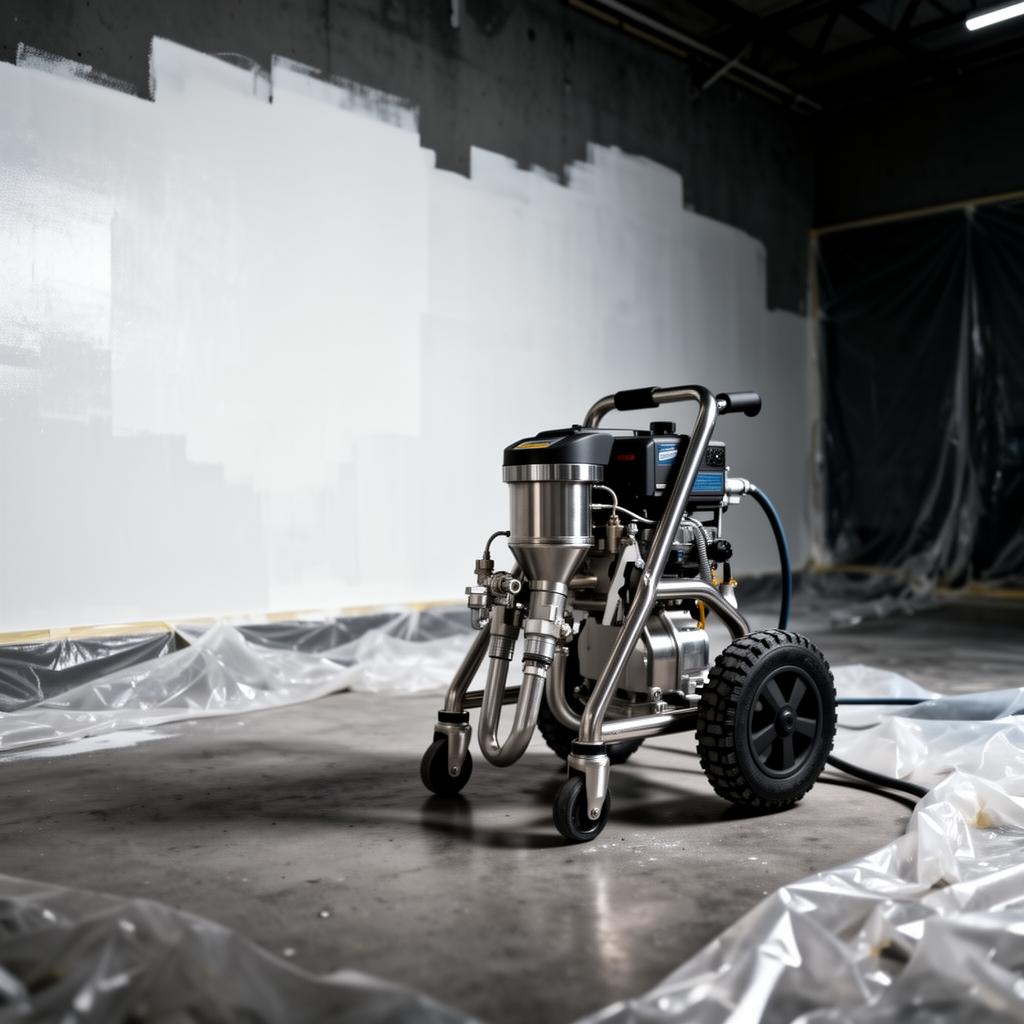
Air-assisted airless equipment pushes paint through the pump like standard airless, then shapes and softens the spray pattern with a small amount of compressed air at the tip. It sits between airless and HVLP in both speed and finish quality, which makes it useful on runs too large for HVLP but too detailed for a plain airless setup.

Questions we are asked about this

Is air-assisted airless suitable for kitchen cabinets?

It can be, but for cabinet doors under close scrutiny HVLP typically gives a smoother result. Air-assisted airless is better matched to longer linear joinery runs.

Does it need a separate compressor?

Yes, alongside the airless pump, so the equipment setup is more involved than either method used alone.

Can it be used outdoors on fascia and bargeboards?

Yes, wind permitting, and it copes well with the longer straight runs typical of fascia and bargeboard work.

What the air cap actually changes

The air added at the tip breaks up the tails and edges of the spray fan that plain airless leaves slightly coarse, giving a softer, more even edge to the pattern. On skirting, architrave and door casing runs this reduces the amount of back-brushing needed to blend the spray lines into a continuous finish.
Where it suits a specification

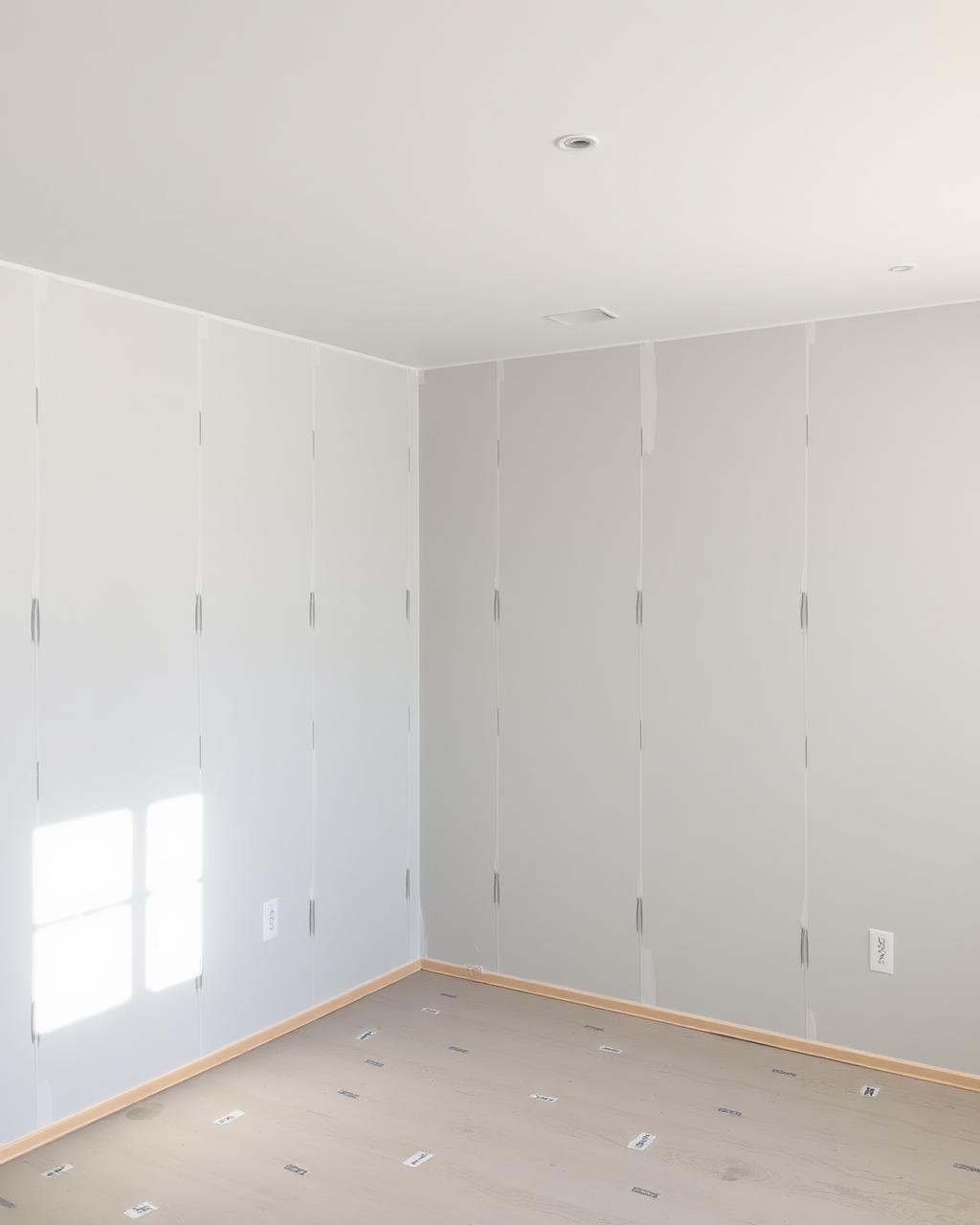
Staircase strings, long skirting runs, balustrade timber and window boards benefit from the combination of airless speed and a cleaner edge. It is a sensible choice where a whole floor of joinery needs spraying to a decent standard but a full HVLP fine-finish spec is not justified by the budget or the substrate.

  • Skirting and architrave runs through several rooms
  • Staircase strings and handrails
  • Window boards and door linings on a refurbishment

Equipment and material considerations

The air supply needs to be clean and correctly regulated, since moisture or oil in the line shows up as fisheye defects in the finish. Material viscosity is set slightly differently to plain airless, and the tip range is narrower, so a crew needs to be genuinely familiar with the equipment rather than treating it as a drop-in replacement.

  • Compressed air moisture traps checked before each use
  • Tip and air cap matched as a pair, not mixed and matched
  • Test pattern sprayed onto card before starting the run

Honest comparison with the alternatives

Air-assisted airless will not match HVLP on a flat cabinet door under close inspection, and it will not out-pace plain airless on a bare masonry wall. Its value is specifically on linear joinery at a scale where either alternative is the wrong tool.

How we work on this

  • We spray a test pattern onto card before starting any air-assisted run to confirm the fan is even.
  • We check compressed air lines for moisture contamination before joinery work begins.
  • We choose between airless, air-assisted airless and HVLP based on the actual joinery profile, not a fixed house method.
Staircase string being sprayed with an even soft-edged finish.

Describe the joinery run and we will recommend which spray method actually suits it, with reasons.

Air-assisted airless sits between the two extremes and earns its place specifically on longer linear joinery runs.

Start your project

Planning a commercial painting or decorating project?

Speak to a Hampshire commercial decorating contractor that turns up, communicates clearly and delivers a finish that lasts.