
Application and spraying

When hand brushing beats spraying on joinery

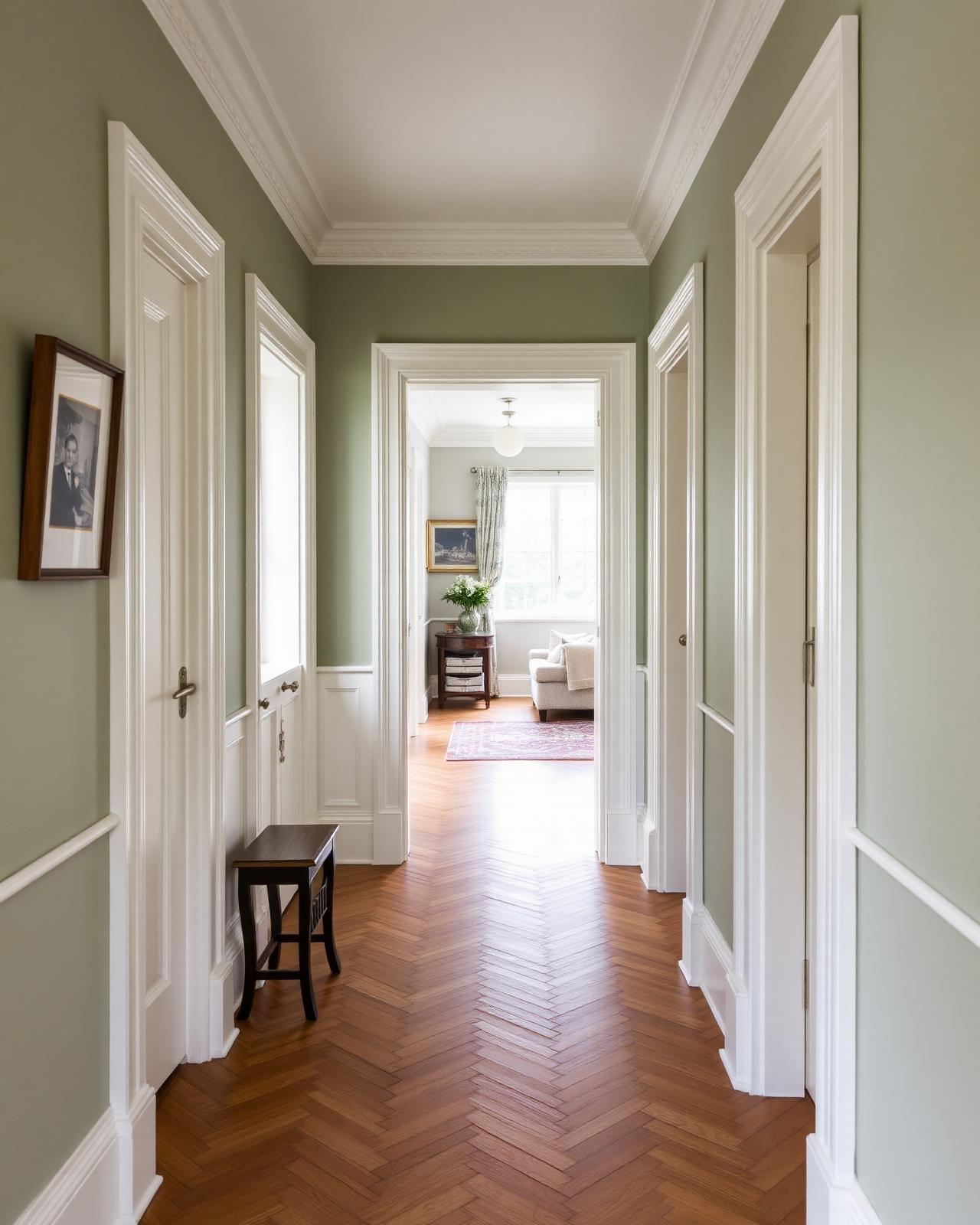
Decorator brushing paint by hand into a deeply moulded skirting profile.

Spraying gets the headlines, but a well-controlled brush still has a real place on period joinery, occupied rooms and small repair areas where masking a whole room for spray is disproportionate. The choice comes down to the profile of the joinery, the state of the room, and whether the piece can realistically be isolated for spraying at all.

Questions we are asked about this

Will a brushed finish look worse than a sprayed one?

With a good brush, correct loading and a modern flow paint, the difference is often subtle rather than obvious, particularly on moulded profiles where spray coverage is uneven anyway.

Can you brush just one door to match a sprayed set?

It is possible to get a close match with careful technique, though very close inspection under raking light may show a slight difference in sheen or texture.

Is brushing cheaper than spraying for small areas?

Usually yes, because it avoids the masking, extraction and clean-up time that spraying a small area still requires.

Deep mouldings and in-situ panelling

Heavily moulded skirting, dado rail and panelled doors that cannot be removed are often better brushed, because the brush can be worked into the detail by hand rather than relying on the spray gun's angle reaching every recess. A skilled hand with a good sash brush will get paint evenly into a moulding profile that a spray pattern might only partially cover from one angle.
Panelled period door finished with a smooth hand-brushed coat of eggshell.

Occupied rooms and partial redecoration

Repainting one door or a single run of skirting in a room that is otherwise finished rarely justifies the masking, extraction and drying time a spray setup needs. Brushing lets that single element be finished in place without disturbing furniture, flooring or the rest of the room.

  • Single doors or skirting runs within an otherwise finished room
  • Furniture and floor coverings left in position rather than cleared
  • Odour and overspray risk avoided in a live household

Brush quality and loading technique

A good natural or synthetic filament brush loaded correctly and laid off in the direction of the grain gives a finish that modern flow-enhanced paints level well. The old assumption that brushwork always shows marks has softened as self-levelling formulations have improved, provided the brush technique and loading are right.

  • Brush loaded to roughly a third of the bristle length
  • Strokes laid off in one direction along the grain
  • Cutting-in edges finished before the flat areas to avoid overlap marks

Where brushing still loses out

On large flat panel doors destined for a factory-look finish, or where dozens of identical spindles need coating quickly, a brush cannot match the consistency of a spray gun across that volume. Recognising which situation you are in avoids either over-specifying a spray booth for one door or under-specifying a brush for forty balusters.

How we work on this

  • We choose brushing over spraying on deep mouldings where a brush genuinely reaches the profile better.
  • We load and lay off brushes to a consistent technique so brushed sections match across a room.
  • We avoid setting up a full spray operation for single-door or single-run repairs where it is not proportionate.

Describe the joinery and the room and we will recommend brush or spray honestly, not by default.

A brush still beats a spray gun on deep mouldings and single-item repairs in occupied rooms.

Start your project

Planning a commercial painting or decorating project?

Speak to a Hampshire commercial decorating contractor that turns up, communicates clearly and delivers a finish that lasts.