
Application and spraying

Deciding between spraying and rolling a ceiling

A ceiling is usually the largest single unbroken area in a room, which makes it a natural candidate for spraying, but the decision is not automatic. Room size, what furniture can realistically be cleared, and how the ceiling reads under raking light from a window all affect whether spraying is worth the setup over a competent roller finish.

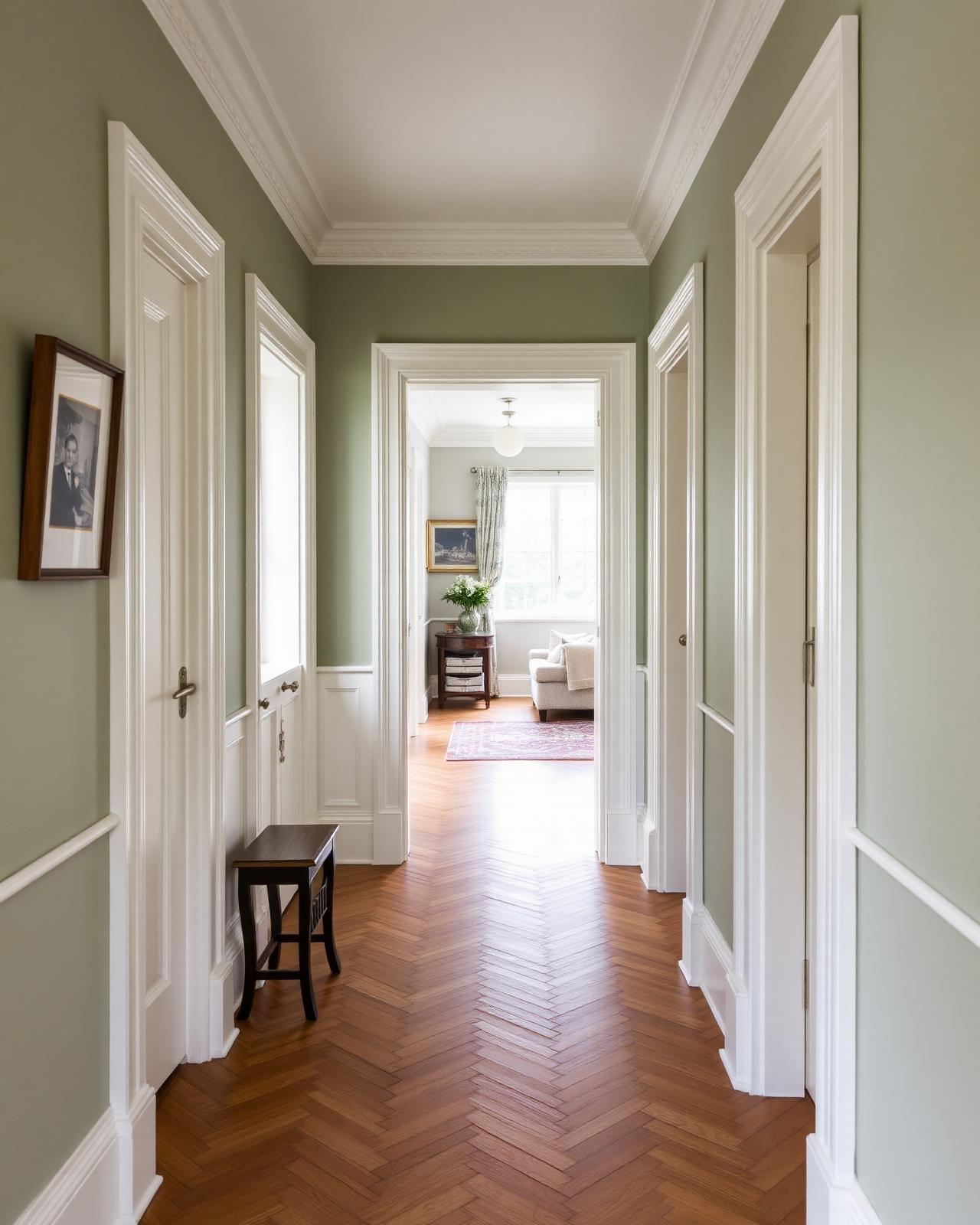
Living room ceiling lit by a large window showing an even sprayed finish.

Large open ceilings favour spraying

In halls, community rooms or open-plan living areas, a sprayed ceiling goes on in a fraction of the time a roller would take, and the even film reduces the risk of roller lap marks showing under strong side light from windows or skylights. The masking of walls and floor below still takes time, so the advantage grows with the size of the ceiling being coated.
Bedroom ceiling being rolled by hand with furniture sheeted below.

Small or furniture-heavy rooms favour rolling

In a bedroom with fitted wardrobes, a light fitting and limited floor space to move furniture, masking for spray can take longer than simply rolling the ceiling directly, especially where the client wants to stay in most of the house during the work. A careful roller finish on a well-prepared ceiling is entirely acceptable to the eye in normal room lighting.

  • Furniture cleared or sheeted rather than moved entirely out
  • Light fittings removed or capped before painting starts
  • Cutting-in at the wall junction done first, by hand

Raking light changes the calculation

A ceiling lit by a low sun through a large window shows roller texture and lap marks more than a ceiling lit only from above by pendant fittings. Where a room has strong raking light, spraying's more even film becomes a genuine visual benefit rather than a marginal one, and is worth the extra setup even in a moderate-sized room.

  • South or west-facing rooms with large windows show texture more
  • North-facing rooms with even light are more forgiving of rolling
  • Existing lap marks from a previous repaint are a useful clue

New plaster changes the answer again

Fresh plaster ceilings need a mist coat before any decorative finish, and spraying a mist coat evenly across new plaster helps control suction consistency before the topcoat goes on, whichever method is used for the final coats. On new-build ceilings this often makes spraying worthwhile even in a smaller room, simply because of the plaster stage involved.

How we work on this

  • We assess the room's actual light direction before recommending spray or roller for a ceiling.
  • We spray mist coats on new plaster ceilings for consistent suction control ahead of the finish coats.
  • We cost the masking time honestly so a client can judge whether spraying a small ceiling is worthwhile.

Questions we are asked about this

Does a sprayed ceiling look noticeably better than a rolled one?

In rooms with strong raking light, yes, spraying usually shows fewer lap marks. In evenly lit rooms the difference is far less noticeable to most people.

Is it worth spraying just one ceiling in an otherwise brush-and-roll job?

Sometimes, particularly if that room has strong window light or a large unbroken ceiling area, but the masking cost needs weighing against the room size.

Can spraying a ceiling be done without emptying the room?

Furniture generally needs sheeting or moving clear of the spray zone regardless of method, though spraying does require a tighter perimeter seal against overspray.

Tell us the room size and window orientation and we will recommend spray or roller for your ceiling.

Ceiling method is a judgement on size, furniture and light direction, not a default choice either way.

Start your project

Planning a commercial painting or decorating project?

Speak to a Hampshire commercial decorating contractor that turns up, communicates clearly and delivers a finish that lasts.