
Application methods

Airless spray decorating across Hampshire

Airless spraying earns its place in Hampshire when the area is big, the surface is continuous and the room can be handed over empty. On a commercial building that usually means ceilings, corridors and open floor plates rather than a single occupied room.

Facilities leads, fit-out managers and developers with large uninterrupted areas to coat in a short window.

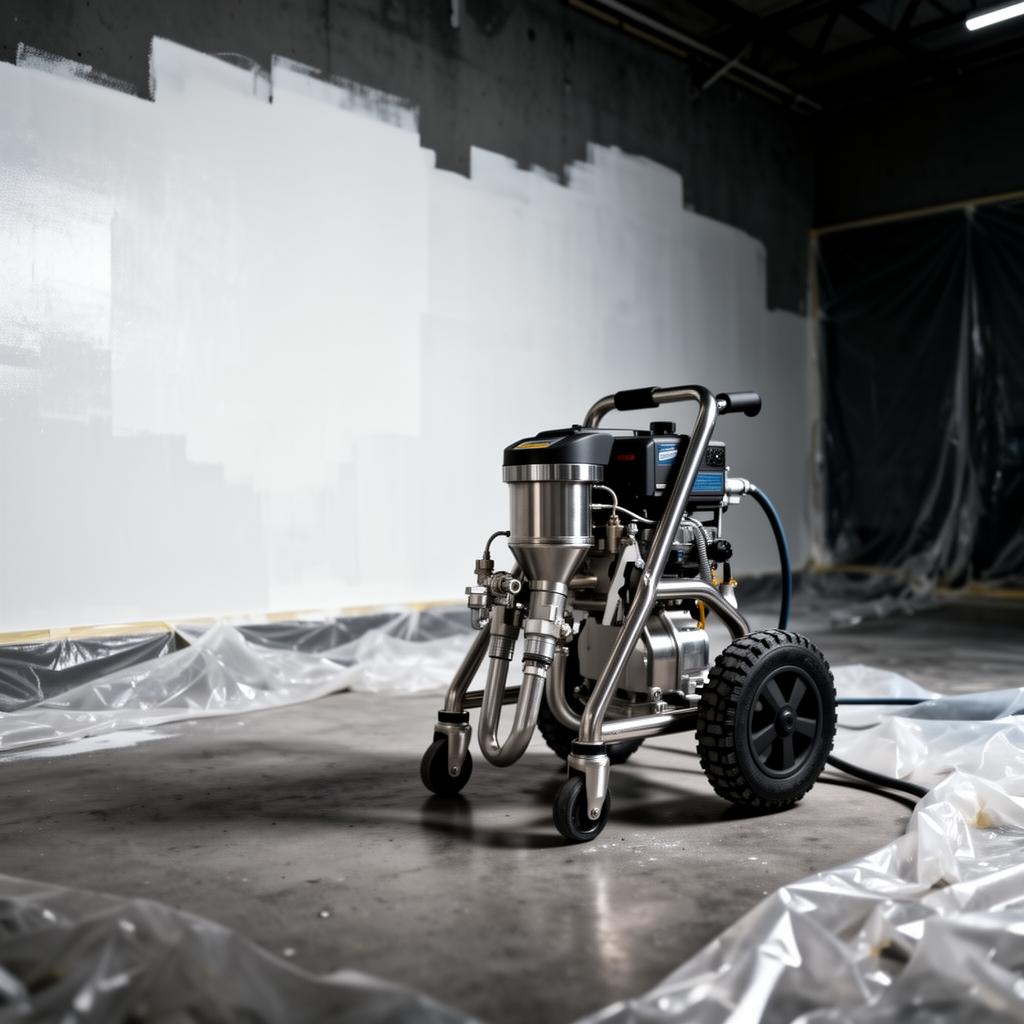
Airless spray application carried out by Dynamic Decorating across Hampshire

What the system is

Airless pumps atomise trade emulsion and acrylic eggshell at pressure through a tip sized to the coating — typically a wider fan for walls and ceilings, a finer tip for cut-in work. Output is fast, film build is even, and the finish has no roller stipple. The trade-off is masking: everything not being coated has to be sheeted, taped and protected before the first pass.

Preparation this system depends on

  • Full sheeting of floors, glazing, frames and services before any pump is primed
  • Masking to a hard line at skirting, architrave and ceiling junctions
  • Fill, sand and spot-prime repairs so spray does not exaggerate defects
  • Dust extraction on mechanical sanding to keep adjacent areas usable
  • Tip and pressure set against the coating data sheet, not by habit
  • Test panel signed off with the client before the main run

Where it is usually specified

  • Ceilings and soffits in single-visit passes
  • Long corridor and stairwell walls with no cut-in banding
  • Open-plan office and retail floor plates
  • Plant rooms, risers and back-of-house circulation
  • Steel and joinery separately masked and finished by tip size
  • Final brush and roller detailing where spray cannot reach cleanly

Trade-offs worth knowing before you commit

  • Overspray travels — adjacent tenants and shared corridors need protecting
  • Rooms must be cleared or contents centralised and sheeted
  • Ventilation and drying time drive when the space can be re-occupied
  • Colour changes on the same visit mean a full pump flush
  • Small, cluttered rooms are usually cheaper rolled than sprayed

Questions we get about airless spraying

Is spraying actually faster than rolling in Hampshire?

On large continuous areas, yes — often several times faster once the pump is running. The saving only holds if the area is clear, because masking takes the time back on cluttered rooms.

How much protection is needed for airless work?

Everything staying in the room gets sheeted and taped. On Hampshire projects we allow a full protection phase before coating and photograph it so there is no argument later.

Can you spray while the building is occupied?

Only in sealed, isolated zones with agreed access hours. In the Portsmouth and Southampton area that usually means evening or weekend work with hoarding or screens between us and the working area.

Does spray put on a thinner coat?

No. Film build is set by tip size, pressure and pass speed. A correctly set airless coat is even and full — thin coats come from rushing passes, not from spraying itself.

What about smell and drying near Portsmouth?

Water-based trade coatings keep odour low and re-occupation quick. We still ventilate and agree a handover time so nobody walks into a room that is still soft.

Will you spray joinery and walls in one visit?

We can, but they are different tips and often different products. We sequence joinery, then walls, then ceilings, so masking only has to be done once in the right order.

Send floor areas or a drawing for your Hampshire project and we will tell you honestly whether spray or roller is the cheaper route.

Airless spraying suits large, clear areas in Hampshire. Where rooms are small or occupied, brush and roller is usually the better value answer — we will say so.

Start your project

Planning a commercial painting or decorating project?

Speak to a Hampshire commercial decorating contractor that turns up, communicates clearly and delivers a finish that lasts.