
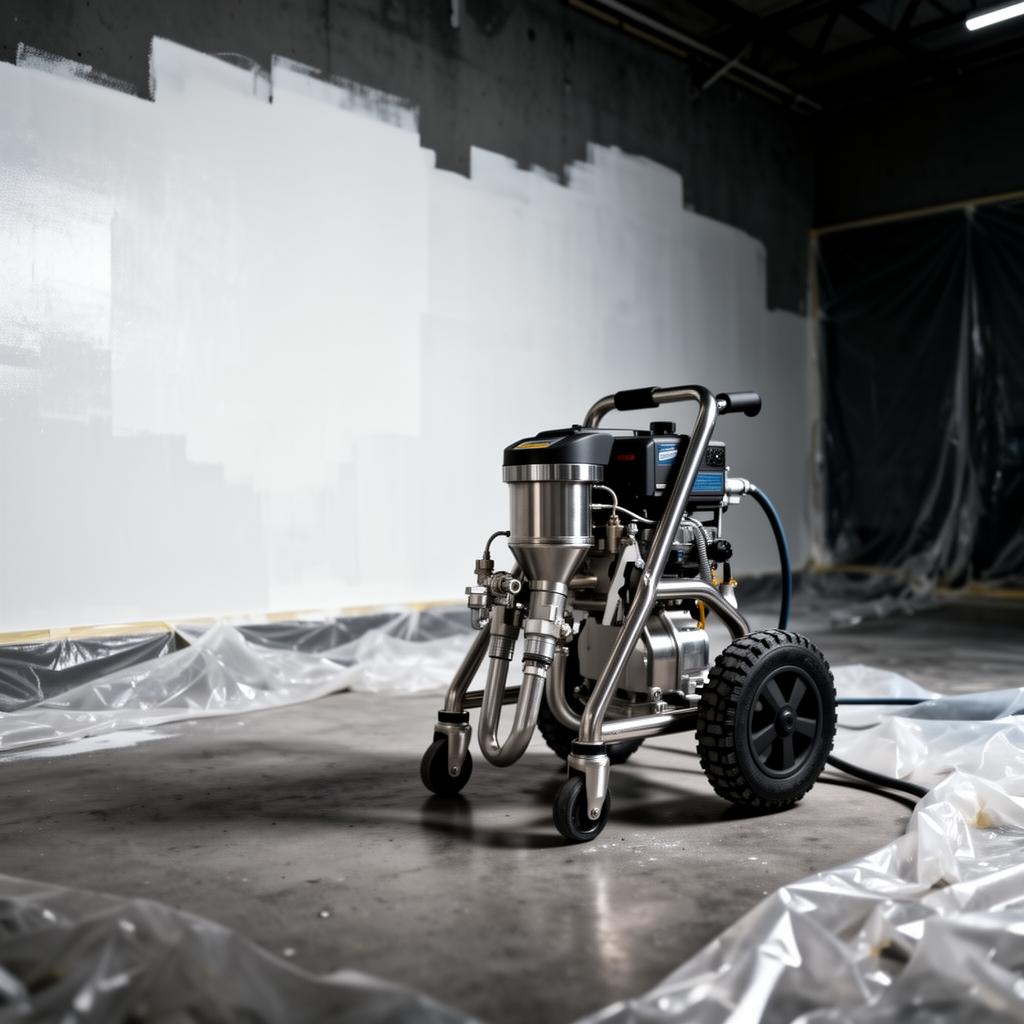
Application and spraying

What proper masking and containment for spraying involves

Overspray travels further than most people expect, riding on air currents well beyond the immediate work area. Containment is not just taping around the edges of what is being sprayed, it is a plan for the floor, the fixtures, the air handling and the rooms next door, worked out before the first coat goes on rather than reacted to afterwards.

Plastic sheeting and taped edges protecting a room ahead of spray painting.

Building the containment before the gun starts

Floor protection, wall sheeting and door seals go up first, sized generously beyond the immediate spray zone rather than tight to it, because overspray drifts further than the visible mist suggests. Fixed fittings, sockets, ironmongery and flooring transitions are masked individually rather than sheeted over in bulk, which avoids paint bleeding under a loosely draped sheet.

  • Floor protection extended well past the spray footprint
  • Ironmongery and fittings masked individually, not just draped
  • Door and window gaps sealed to stop drift into adjoining rooms
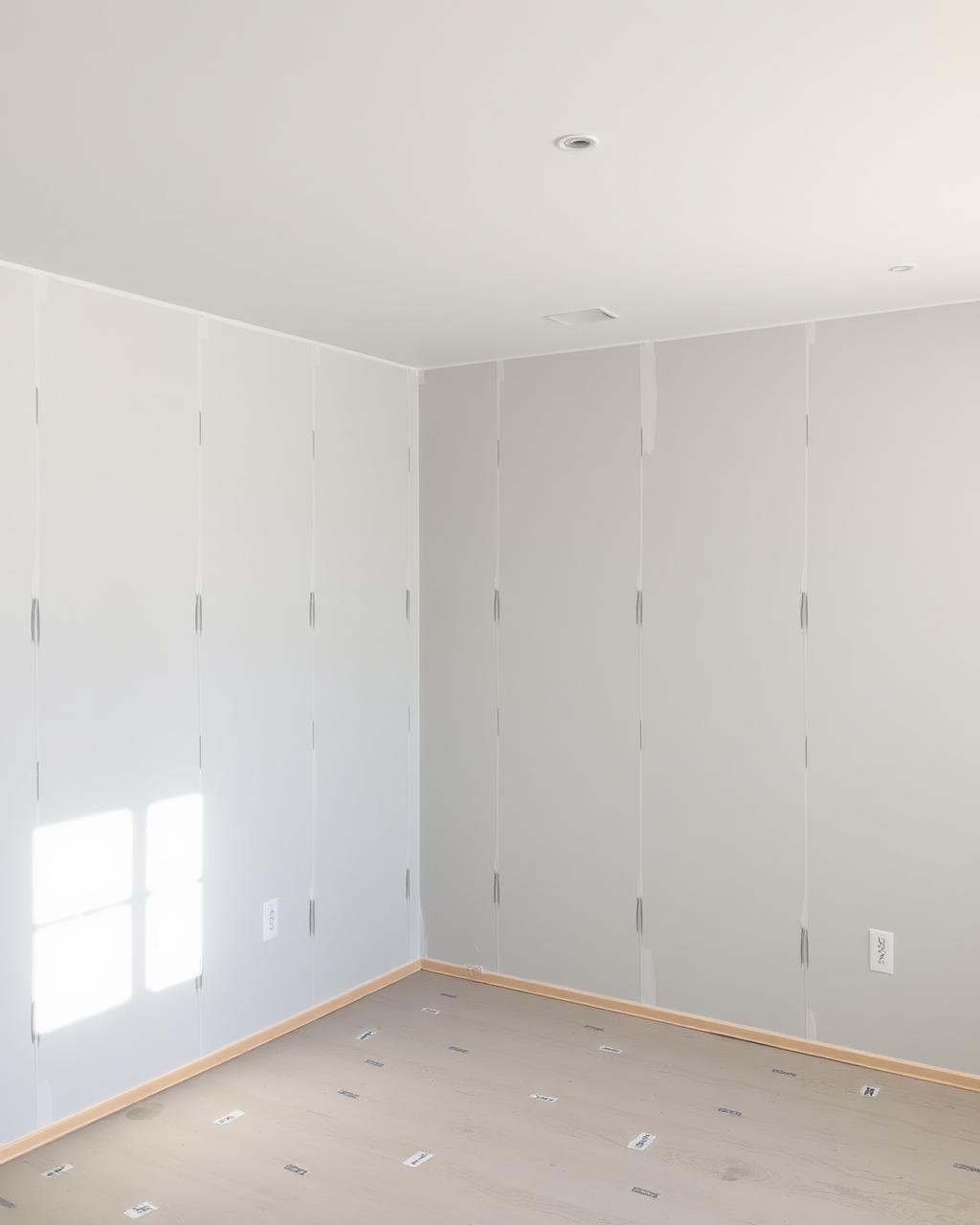
Managing air movement, not just surfaces

Ventilation and air handling systems are shut down or isolated in the area being sprayed, because a live extract fan or open window can carry overspray a surprising distance into a corridor or the room beyond. Where extraction is needed for solvent-based products, it is directed and filtered rather than simply opened to the outside.

Working around what cannot be moved

Fitted kitchens, built-in furniture and permanent fixtures that cannot be removed get masked in place with a plan for the awkward junctions — worktop edges, appliance gaps and wall-to-cabinet joints — agreed before spraying starts, since these are the points where a rushed masking job usually fails.

  • Worktops and appliances sheeted with taped, sealed edges
  • Junctions between fixed and sprayed elements identified in advance
  • A dry run through the masking plan before the first spray pass

Taking it down without leaving a mess

Removing masking is done in a set order, generally from the top down and away from the finished surface, so dust and paint flakes trapped in the tape do not fall onto wet or freshly cured paintwork. Containment sheeting is bagged and removed rather than shaken out in the room, which simply redistributes any dust it has collected.

How we work on this

  • We plan containment before the spray gun is switched on, sized beyond the visible spray footprint.
  • We isolate ventilation and extraction in the work area to stop overspray travelling into adjoining spaces.
  • We remove masking in a set sequence to avoid dropping trapped dust onto fresh paintwork.

Questions we are asked about this

How far does overspray actually travel?

Further than it looks — fine mist can drift several metres on air currents, which is why containment is planned generously rather than tight to the visible spray zone.

Do you need to isolate ventilation systems before spraying?

Generally yes, so a live extract or supply system does not carry overspray into corridors or adjoining rooms during the work.

Can spraying happen safely near fitted kitchens?

Yes, with individually masked worktops, appliances and junctions, and a plan agreed in advance for the awkward joints where masking most often fails.

Kitchen worktop and appliances individually masked with taped plastic film.

Send us the room layout and fixed fittings and we will set out the containment plan before quoting.

Good containment is a plan for air movement and fixed fittings, not just tape around the edges of the spray zone.

Start your project

Planning a commercial painting or decorating project?

Speak to a Hampshire commercial decorating contractor that turns up, communicates clearly and delivers a finish that lasts.