Application and spraying

What HVLP spraying actually does differently

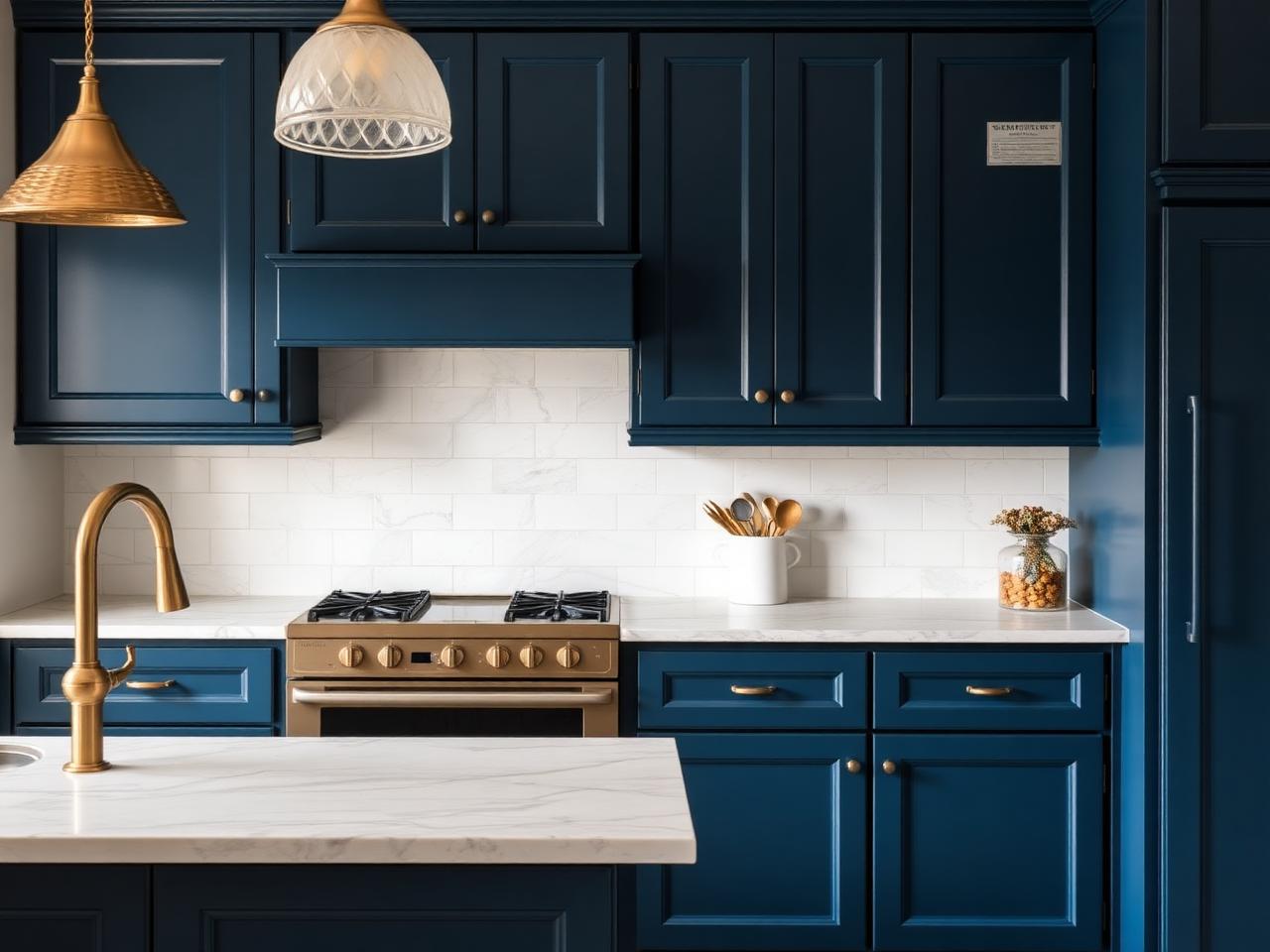
Cabinet door laid flat being sprayed with a fine HVLP mist in a controlled area.

High volume, low pressure spraying atomises paint with a gentle stream of air rather than raw pressure, which produces a finer, more controllable spray pattern. It is the method that gets doors, staircases and cabinetry to look factory-sprayed rather than brushed, but it comes with its own limits on speed and material choice.

Why the finish looks different

Because the atomisation is gentler, the paint lands in a finer mist that self-levels without the ridges a roller or brush leaves behind. On flat panel doors and cabinet fronts this is the difference between a finish you can see brush marks on under raking light, and one you cannot.
The trade-off is transfer efficiency

HVLP puts less paint on the surface per pass than airless, so more coats are usually needed to reach the same film thickness. That extra time is the cost of the finer finish, and it needs to be priced in rather than discovered halfway through the job.

  • Two to three lighter passes rather than one heavy one
  • Flash-off time between coats respected, not rushed
  • Material viscosity often thinned slightly for the gun in use

Where it belongs on a job

Cabinet doors, staircase spindles, skirting runs and any joinery where the client will stand close and look are the natural home for HVLP. Large wall areas are usually better served by airless or a roller, since the fine finish advantage is wasted at a distance.

  • Kitchen and bedroom fitted furniture
  • Staircases with turned or moulded spindles
  • Internal doors removed to a controlled spray area

Setting realistic expectations on colour and sheen

A sprayed finish shows sheen variation more honestly than a brushed one, because there is no texture to disguise unevenness. We agree the sheen level and check it under the room's actual lighting before committing to the full run, since a sample board under workshop light can read differently at home.

Questions we are asked about this

Is HVLP suitable for water-based cabinet paint?

Yes, most modern cabinet paints are formulated to spray well through HVLP equipment, though some benefit from a small amount of flow additive to help self-levelling.

Does HVLP take longer than airless?

Per coat, yes, because less material is deposited each pass, and more coats are typically needed. For fine joinery the extra time buys a noticeably smoother result.

Can doors be sprayed on their hinges in situ?

It is possible with careful masking, but removing doors to a controlled area gives a better edge finish and avoids overspray on adjacent surfaces.

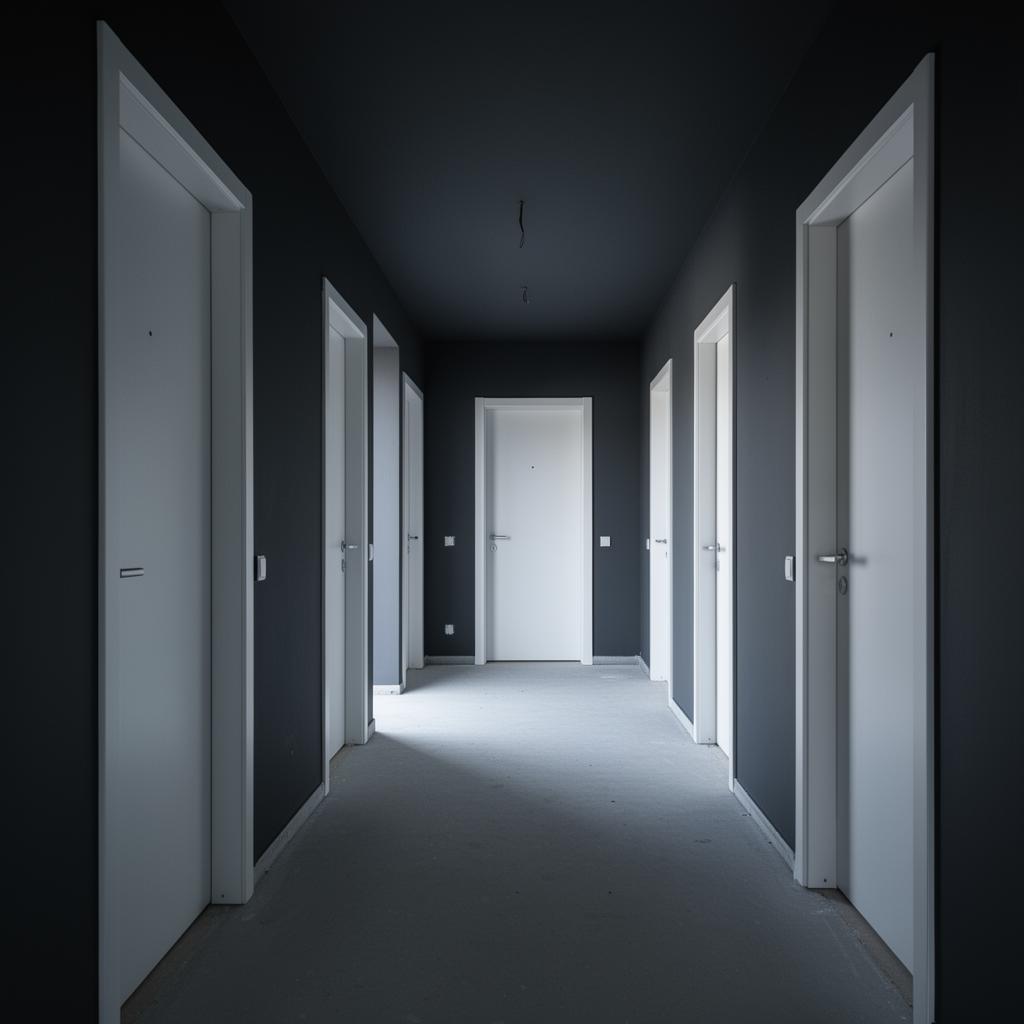
Close-up of a sprayed panel door showing a smooth, level painted surface.

Send a photo of the joinery you want sprayed and we will explain whether HVLP or another method suits it.

HVLP buys a finer finish at the cost of more passes, and it belongs on close-up joinery rather than large wall runs.

Start your project

Planning a commercial painting or decorating project?

Speak to a Hampshire commercial decorating contractor that turns up, communicates clearly and delivers a finish that lasts.