
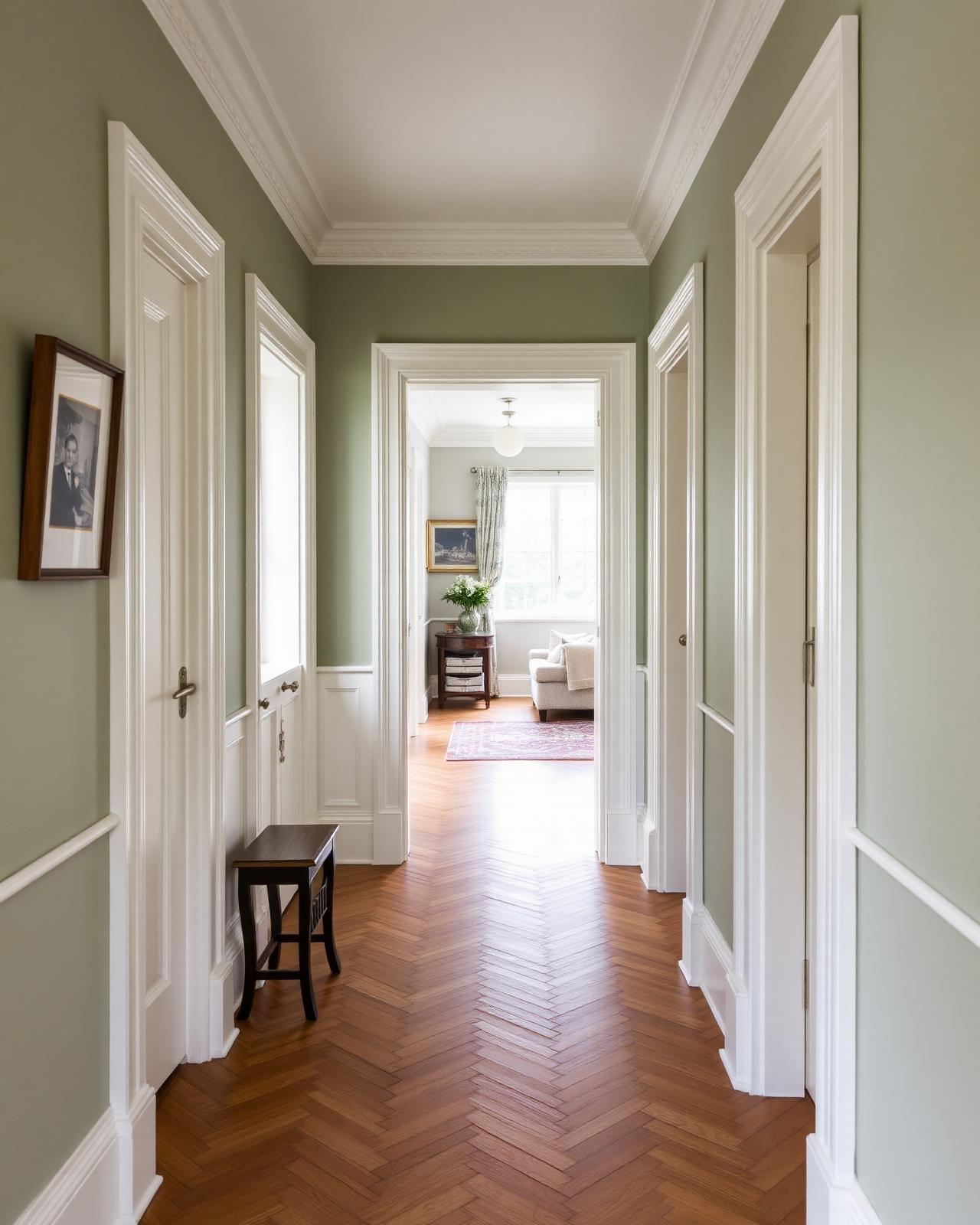
Access, safety and compliance

How lone working is managed on smaller jobs

Plenty of decorating work is genuinely suited to one person on site, particularly smaller domestic jobs, but working alone changes what tasks are sensible and what checking-in looks like. We treat it as a deliberate decision, not a default because it happens to save a second wage.

A single decorator working alone in a small bedroom during a daytime domestic job.

What stays off a lone worker's task list

Anything needing a second person for stability — moving a loaded tower, working over an open void, or handling awkward materials at height — is scheduled when two people are on site, even if the rest of the job suits one person working solo through the week.

  • Tower moves and stairwell access kept as two-person tasks
  • Heavy or awkward material handling scheduled for a paired day
A phone check-in message being sent from a decorator's van at the end of a solo working day.

Check-in routines during a lone working day

A lone operative agrees a check-in point during the day, particularly on jobs that run outside normal daytime hours or in more remote locations. This is a simple call or message at agreed intervals rather than anything elaborate, but it means an incident does not go unnoticed for hours.

Client access and being alone in someone's home

For domestic clients, lone working also means being clear about who else might be in the property, how keys are handled if the owner is out, and confirming with the client in advance rather than turning up to find an unexpected situation.

How we work on this

  • We keep two-person tasks off a lone worker's schedule regardless of job size
  • We run check-in routines for lone working days
  • We confirm key and access arrangements with domestic clients before a solo visit

Questions we are asked about this

Will one person always be enough for my job?

For most single-room domestic work, yes. Where the task needs stable footing on shared equipment or awkward handling, we schedule two people for that part regardless of the job's overall size.

How do you check in if something goes wrong?

The operative agrees a check-in point with the office at set times during a lone working day, so an unanswered check triggers a follow-up call.

Do you work alone in an empty house?

Only where the client has agreed the arrangement and confirmed key handling in advance — we do not turn up expecting an unattended property without that being settled beforehand.

Let us know your access arrangements and we will confirm whether the job suits a lone worker or a pair.

Lone working suits plenty of decorating tasks, provided the genuinely two-person jobs are kept off the solo list.

Start your project

Planning a commercial painting or decorating project?

Speak to a Hampshire commercial decorating contractor that turns up, communicates clearly and delivers a finish that lasts.