
Access, safety and compliance

Writing risk assessments and method statements before we start

A generic RAMS pulled off a shelf tells a site manager nothing about the actual building. Ours are written against the specific access, the specific coatings and the specific hazards of the job in front of us, not a template with the address changed.

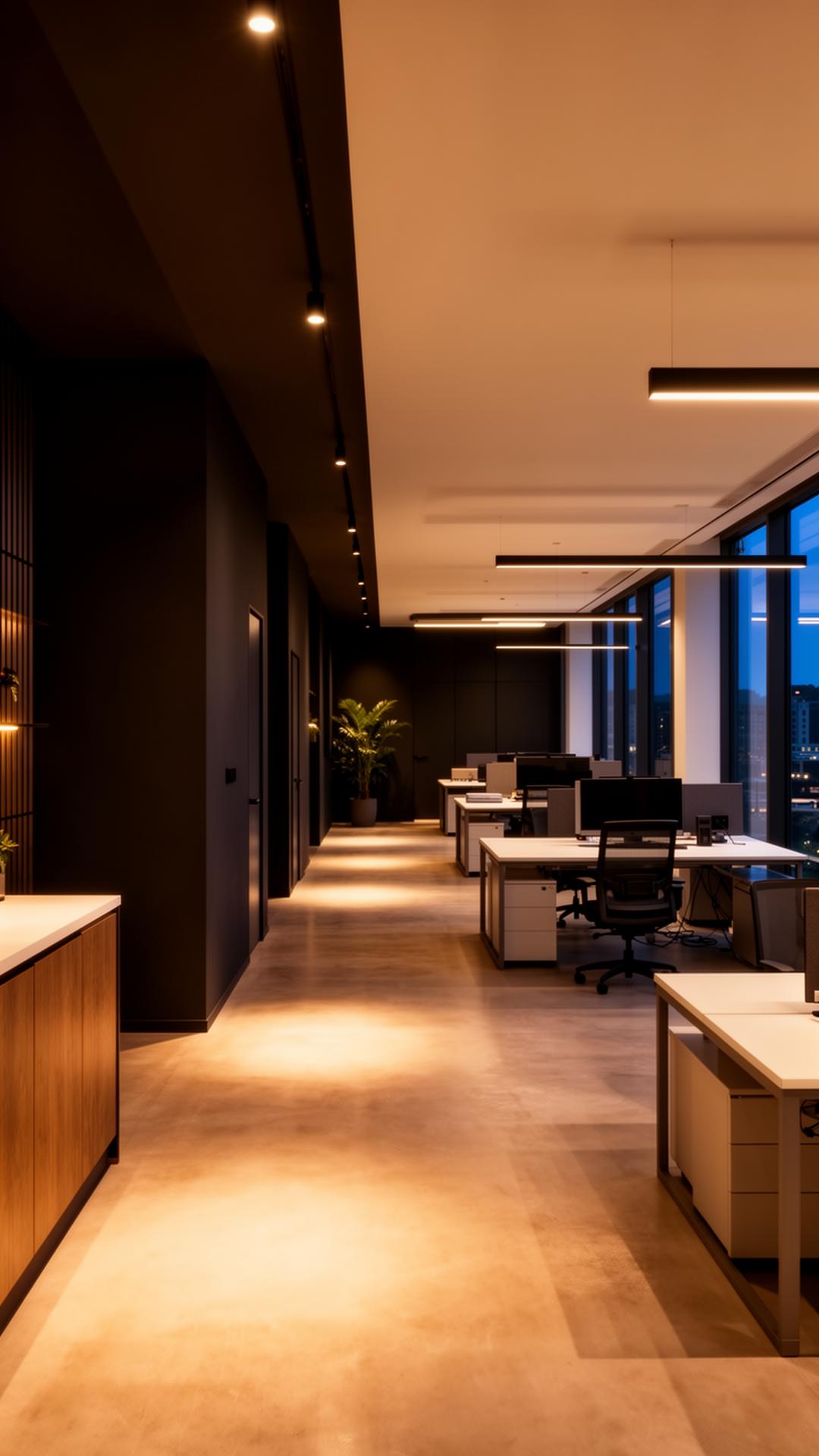
A decorator reviewing a method statement on a clipboard beside scaffold access in an office corridor.

What goes into the document before pricing finishes

We walk the areas being decorated, note the access equipment needed, the substrates involved and anything unusual — a shared stairwell, a plant room, a public entrance. Those observations shape the RAMS rather than being bolted on afterwards, so the paperwork matches what the crew actually does on the day.

  • Site-specific hazards listed by area, not by generic trade category
  • Access method matched to each elevation or room, not assumed
  • Named control measures for each hazard, not a tick-box column
Circulating it to the right people

A RAMS is only useful if the people running the site have actually read it. We send it ahead of the start date so it can go through a principal contractor's own approval process, and we build in time for revisions if their site rules differ from our first draft.

Keeping it live once work is underway

Buildings change during a contract — a lift breaks down, a corridor gets fenced off, a new hazard turns up under old paint. Where that happens we amend the document and reissue it rather than carrying on against paperwork that no longer describes the job.

  • Amendments dated and reissued, not verbally agreed and forgotten
  • Crew briefed on any change before the next shift starts

Toolbox talks on site

Beyond the written document, we run a short briefing at the start of each phase so operatives can ask questions in plain language rather than just signing a form. This catches misunderstandings before they become incidents, particularly where several trades are sharing the same floor.

How we work on this

  • We write RAMS per building rather than reusing a single generic document
  • We brief operatives verbally as well as issuing paperwork
  • We reissue documents when site conditions change during a contract

Questions we are asked about this

Do you provide a RAMS before we agree the contract?

We can issue a draft alongside the quotation so your site team can review it before committing, then finalise it once access and dates are confirmed.

Can you work to our own site's RAMS template instead?

Yes, provided it captures the actual method and hazards. We will populate your template rather than insisting on our own format.

What happens if conditions change mid-contract?

We stop, reassess and reissue the paperwork before continuing. Work does not carry on against a document that no longer reflects the site.

A site notice board showing a pinned risk assessment next to a stairwell entrance.

Send us your site's approval process and we will issue a draft RAMS for review before work starts.

A risk assessment is only worth having if it describes the actual building and gets read by the people on it.

Start your project

Planning a commercial painting or decorating project?

Speak to a Hampshire commercial decorating contractor that turns up, communicates clearly and delivers a finish that lasts.