
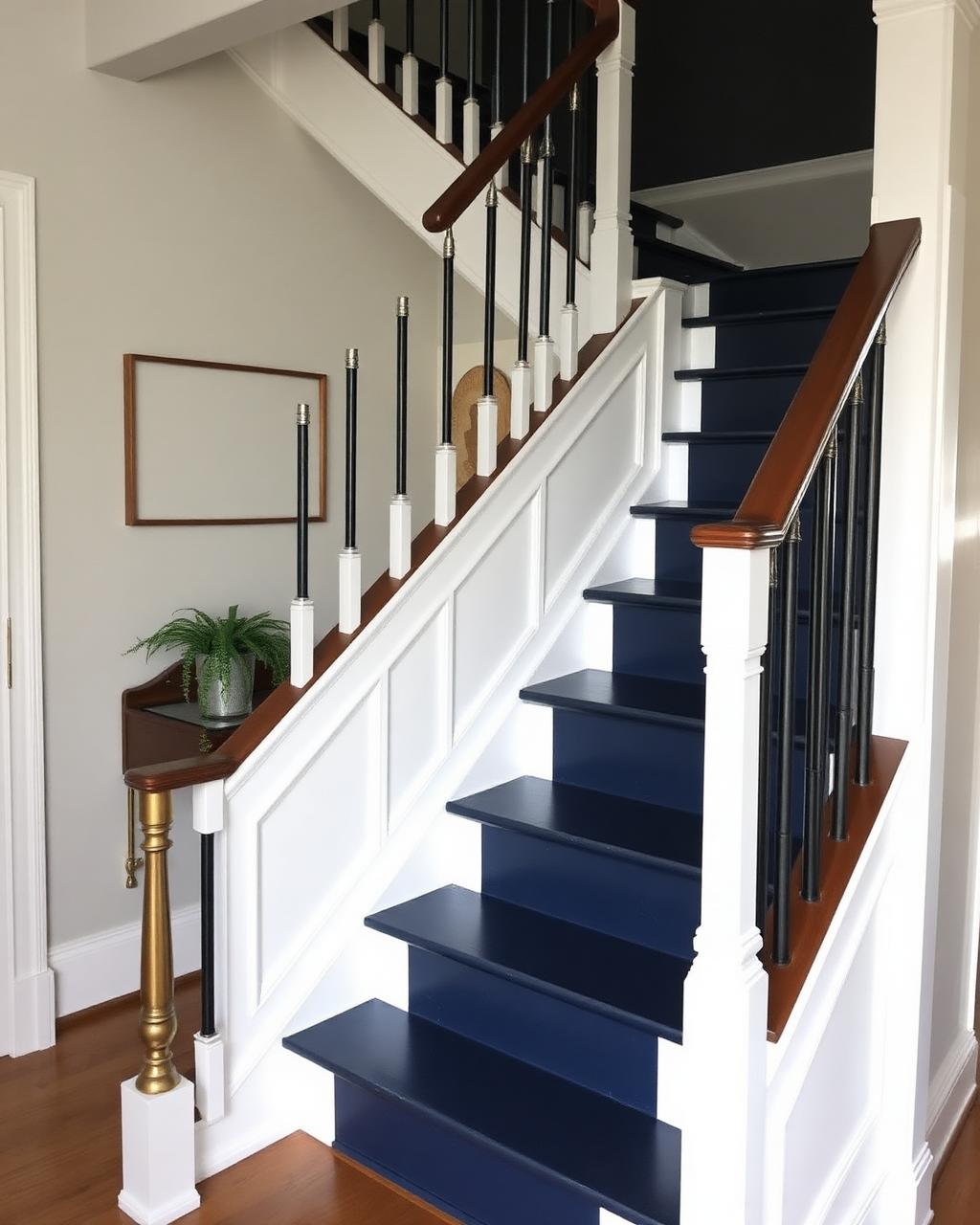
Access, safety and compliance

What happens if we suspect asbestos during preparation

A textured ceiling coating in an older building left undisturbed pending an asbestos assessment.

Buildings put up before the mid-1980s can contain asbestos in textured coatings, old boarding, pipe lagging and certain floor tiles. Decorators are not surveyors, but recognising the warning signs and knowing when to stop is a basic part of working safely in older stock.

The point at which we stop

If preparation work — sanding a textured ceiling, disturbing old board behind a fitting, or working near aged pipe lagging — reveals material that looks consistent with asbestos-containing product, we stop that specific task immediately rather than continuing on the assumption it is probably fine.

  • Work on the suspect area halted, not just slowed down
  • Area left undisturbed and, where practical, isolated from foot traffic
  • Client informed the same day, not at the end of the job
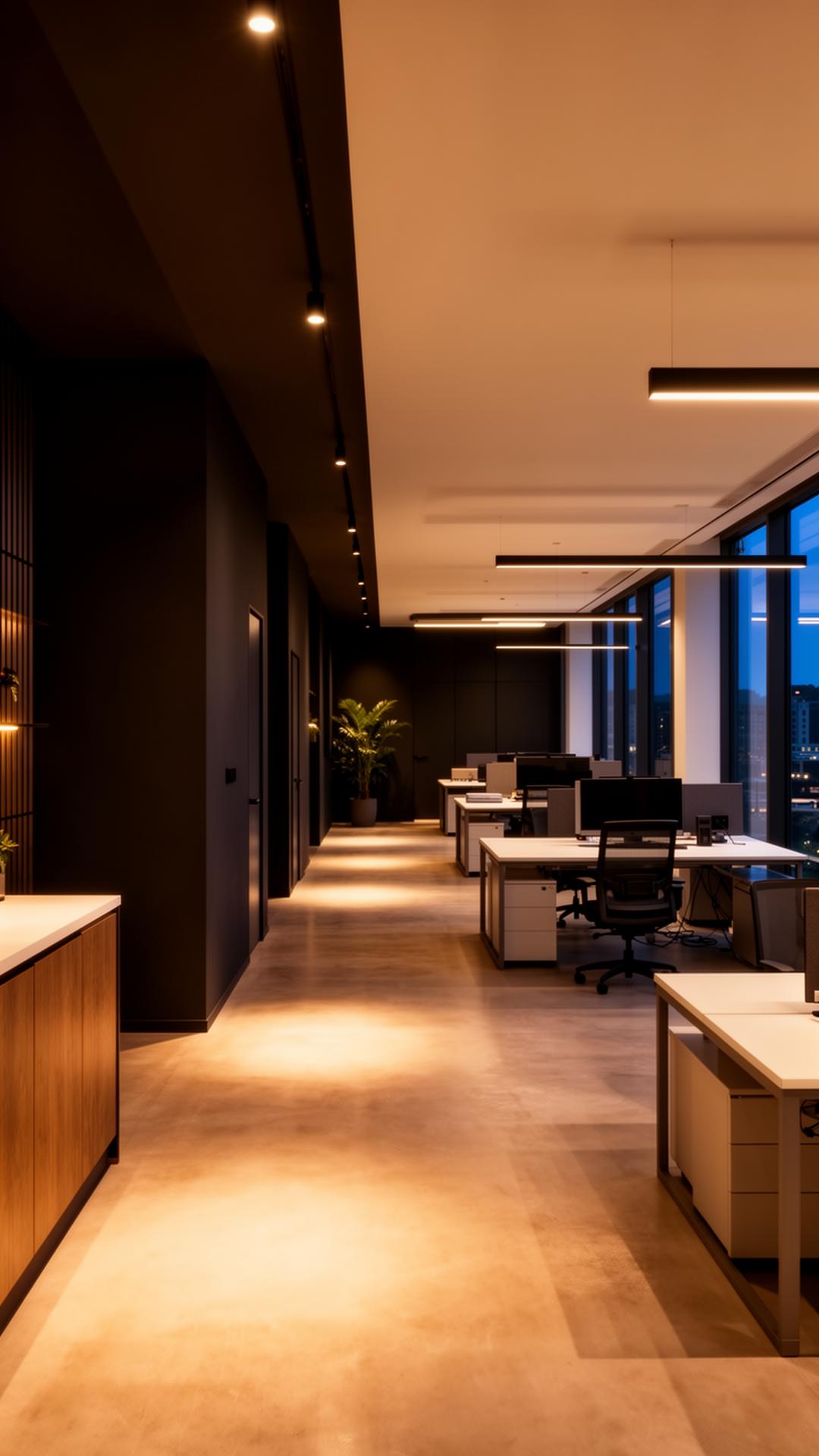
What we ask the client to arrange next

Confirming whether material is actually asbestos-containing requires sampling and testing, which is outside a decorator's role. We ask the client or managing agent to arrange this, and we do not resume work on that area until we have written confirmation it is safe or has been dealt with appropriately.

Working around a confirmed or suspected area

Where other parts of a building are unaffected, we can often continue decorating those areas while the suspect material is being assessed, provided the two zones are genuinely separated and nothing from the affected area is being disturbed in the meantime.

Questions we are asked about this

Do you test for asbestos yourselves?

No — testing requires a specialist survey. If we suspect asbestos-containing material we stop work on that area and ask the client to arrange sampling.

Will the whole job stop if one area is suspect?

Not necessarily. If other rooms or elevations are genuinely separate from the affected area, we can usually continue there while the suspect material is assessed.

What buildings are most likely to have this issue?

Anything built or last refurbished before the mid-1980s is worth being alert to, particularly around textured ceiling coatings, older boarding and pipe lagging.

A cordoned-off section of a corridor pending material sampling before decorating resumes.

If your building predates the mid-1980s, tell us so we can flag anything unusual before sanding starts.

The right response to suspected asbestos is to stop the specific task and get it properly assessed, not to carry on regardless.

Start your project

Planning a commercial painting or decorating project?

Speak to a Hampshire commercial decorating contractor that turns up, communicates clearly and delivers a finish that lasts.