
Coating selection

Epoxy vs polyurethane floor coatings: which suits your floor

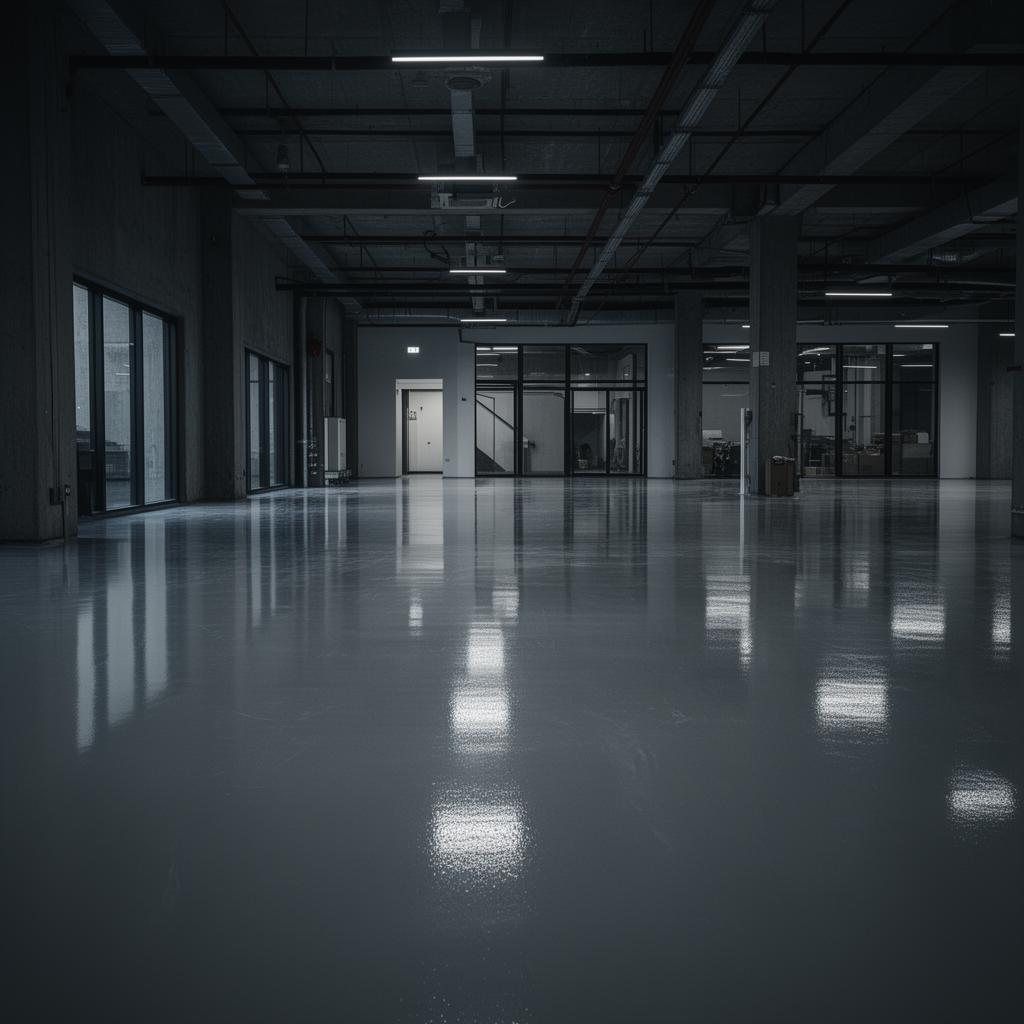
Newly coated workshop floor with a satin epoxy finish drying

Both systems turn a bare concrete or screed floor into a sealed, cleanable surface, but they behave differently once traffic and light get involved. Choosing the wrong one usually shows up as yellowing or premature wear within the first year.

Hardness and chemical resistance

Epoxy builds a hard, chemically resistant film that suits areas exposed to oils, cleaning chemicals or occasional spillage. It is the usual choice under workbenches, in plant rooms and anywhere a floor needs to shrug off contact with solvents rather than just foot traffic.
Where polyurethane takes over

Polyurethane stays more flexible and resists UV yellowing far better than epoxy, which matters near windows, roller shutters or any area that sees daylight. It also tends to recover better from minor impact without cracking at the surface.

  • Daylight-exposed floors: polyurethane resists yellowing
  • Chemical or oil exposure: epoxy usually wins on resistance
  • Foot traffic only, indoors, away from windows: either can work

Preparation decides how long either one lasts

Neither system forgives a poorly prepared substrate. Moisture testing, mechanical grinding and filling of laitance are what actually determine service life, and skipping them is the most common reason floor coatings delaminate within months.

  • Moisture content tested before any coating is scheduled
  • Surface mechanically prepared rather than lightly abraded
  • Joints and cracks assessed for movement before sealing

Questions we are asked about this

Which lasts longer, epoxy or polyurethane?

Both can last many years with correct preparation. Epoxy tends to win on hardness and chemical resistance, polyurethane on flexibility and colour retention in daylight.

Can polyurethane be applied over old epoxy?

Often yes, as a refresh coat, provided the existing epoxy is sound, clean and properly keyed — we test adhesion before committing to that approach.

Does either system need special ventilation during application?

Both benefit from good ventilation while curing, and some formulations carry noticeable odour, so we plan application around occupancy and access.

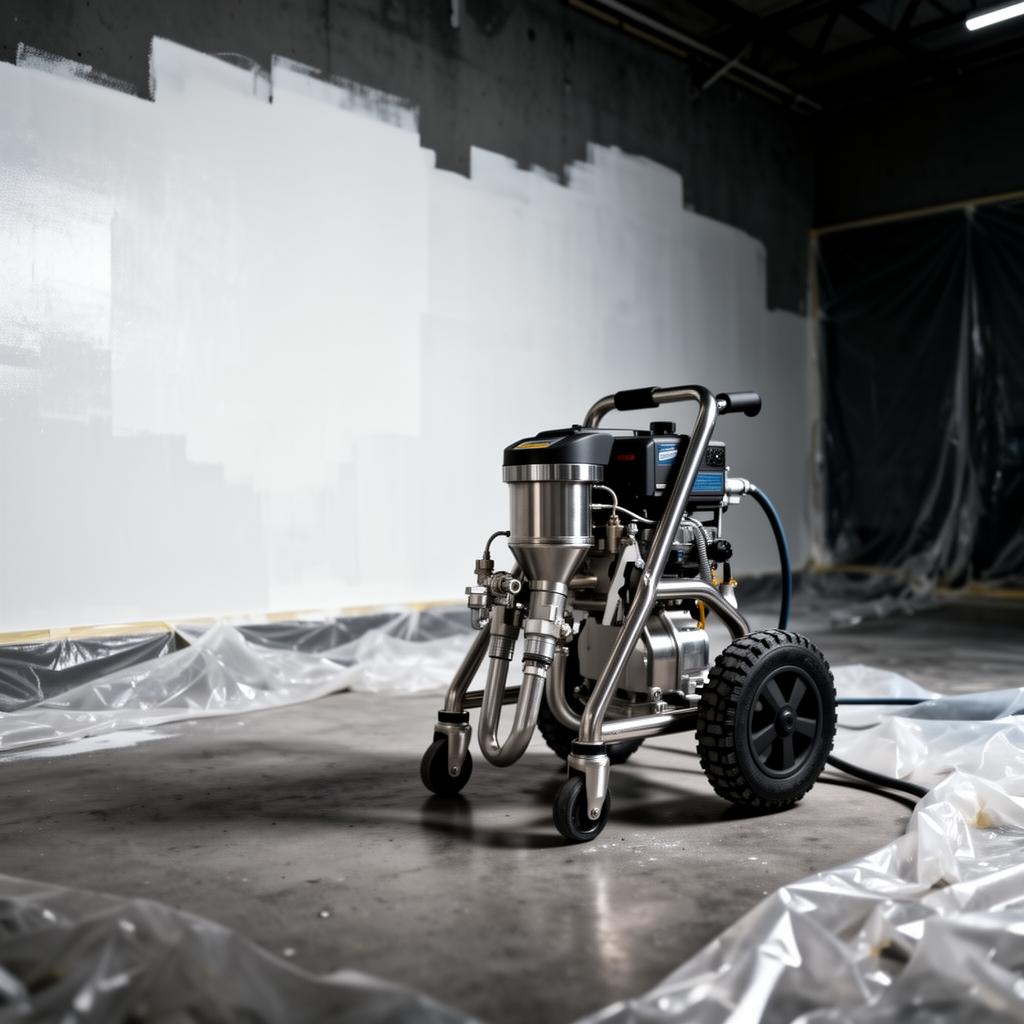
Floor coating being rolled onto prepared concrete in a plant room

Describe how the floor is used and we will recommend epoxy, polyurethane or a hybrid build-up.

Epoxy and polyurethane solve different problems — chemical resistance against daylight stability — and the floor's real use should decide between them.

Start your project

Planning a commercial painting or decorating project?

Speak to a Hampshire commercial decorating contractor that turns up, communicates clearly and delivers a finish that lasts.