
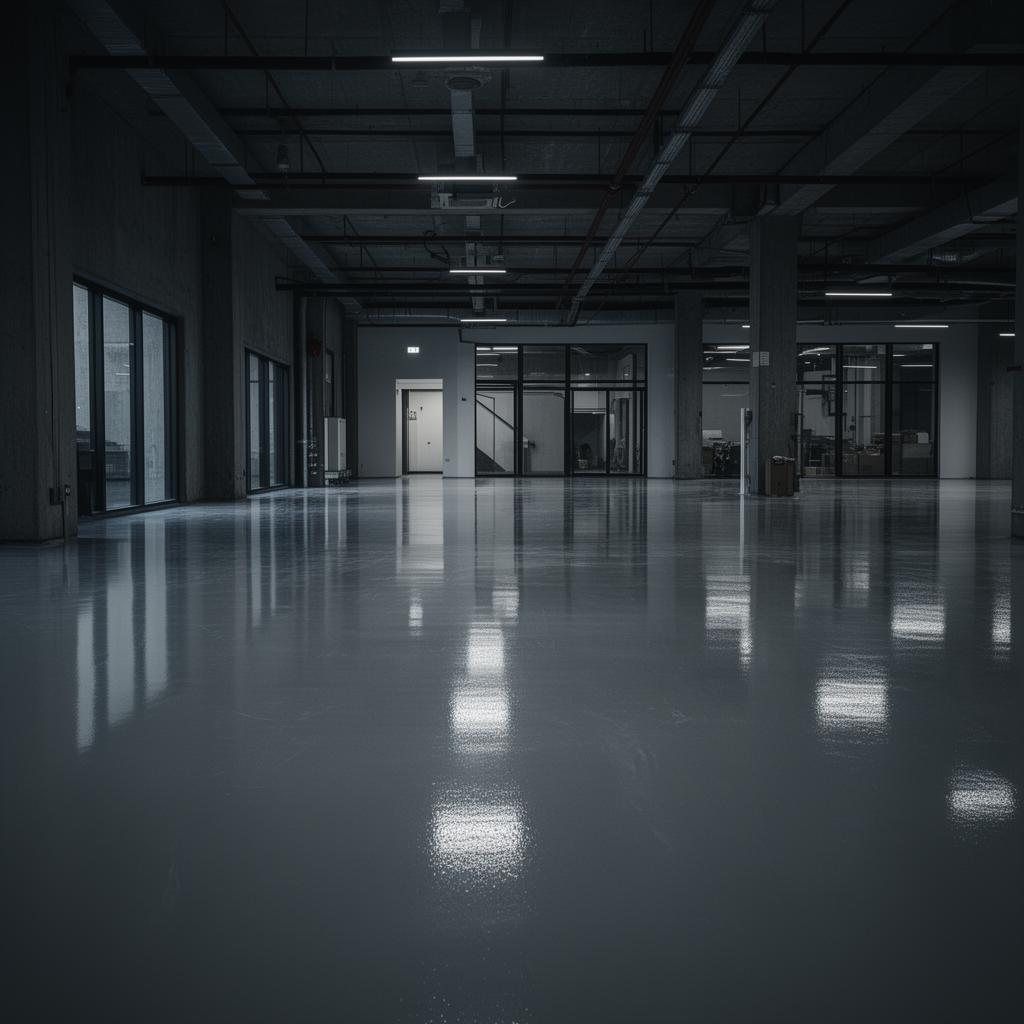
Application and spraying

How film thickness is actually controlled when spraying

Wet film thickness gauge pressed into a freshly sprayed steel beam.

Spraying looks even to the eye long before it necessarily meets the film thickness a specification calls for, because a thin, well-atomised coat can look identical to a properly built one until it dries and the true coverage shows through. Controlling thickness during application, not just inspecting the result afterwards, is what keeps a sprayed system meeting its stated performance.

Questions we are asked about this

Can you tell if a coat is too thin just by looking at it?

Not reliably — a thin, well-atomised spray coat can look fully covered while being genuinely under specification. Measurement is needed rather than visual judgement alone.

What is a wet film gauge?

A simple graduated comb-shaped tool pressed into wet paint that shows the thickness of the film by which teeth are still coated, giving an immediate on-site reading.

Is film thickness checking only relevant for fire protection coatings?

It matters most there, but it is also useful on any high-build or performance coating where under-application would shorten the expected service life.

Why visual judgement alone is not reliable

A skilled sprayer can lay down a coat that looks fully covered while still being well under the wet film thickness a coating needs to achieve its stated dry film and performance. This matters most on fire-rated and protective coatings where under-thickness is not just a cosmetic issue but a genuine performance shortfall.
Decorator logging coverage figures on a clipboard beside a sprayed elevation.

Measuring as you go

A wet film thickness gauge, pressed into the coating immediately after application, gives an on-the-spot reading against the target the product data sheet specifies. Checking at intervals across a large area, rather than once at the start, catches drift in technique or material flow before it becomes a widespread problem across the whole elevation.

  • Wet film gauge readings taken at set intervals across the area
  • Readings checked against the specific product's data sheet target
  • Technique adjusted immediately if readings drift low or high

Tracking material use against area

Comparing the volume of coating actually used against the theoretical coverage rate for the area sprayed gives a second, independent check on whether the specified thickness has genuinely gone on. If material use is running well below the expected rate for the square metreage covered, the film is very likely thinner than specified, regardless of how it looks.

  • Coverage rate calculated from the product data sheet before starting
  • Actual material used logged against area sprayed
  • Discrepancies investigated before moving to the next section

Dry film verification once cured

For coatings where dry film thickness is critical, a dry film gauge check once the coating has cured confirms the build achieved, giving a documented figure rather than a visual assessment. This is standard practice on fire-protective and specialist coatings where the specification explicitly calls for a minimum dry film thickness.

How we work on this

  • We take wet film thickness readings at intervals across sprayed areas rather than relying on visual coverage alone.
  • We cross-check actual material use against the theoretical coverage rate to catch under-application early.
  • We carry out dry film thickness checks on cured coatings where the specification requires a documented figure.

Send your specification's film thickness requirement and we will confirm how we would verify it on your job.

Even coverage to the eye is not the same as correct film thickness — measurement, not appearance, confirms it.

Start your project

Planning a commercial painting or decorating project?

Speak to a Hampshire commercial decorating contractor that turns up, communicates clearly and delivers a finish that lasts.