
Coating selection

Anti-slip additives: what they change about a floor

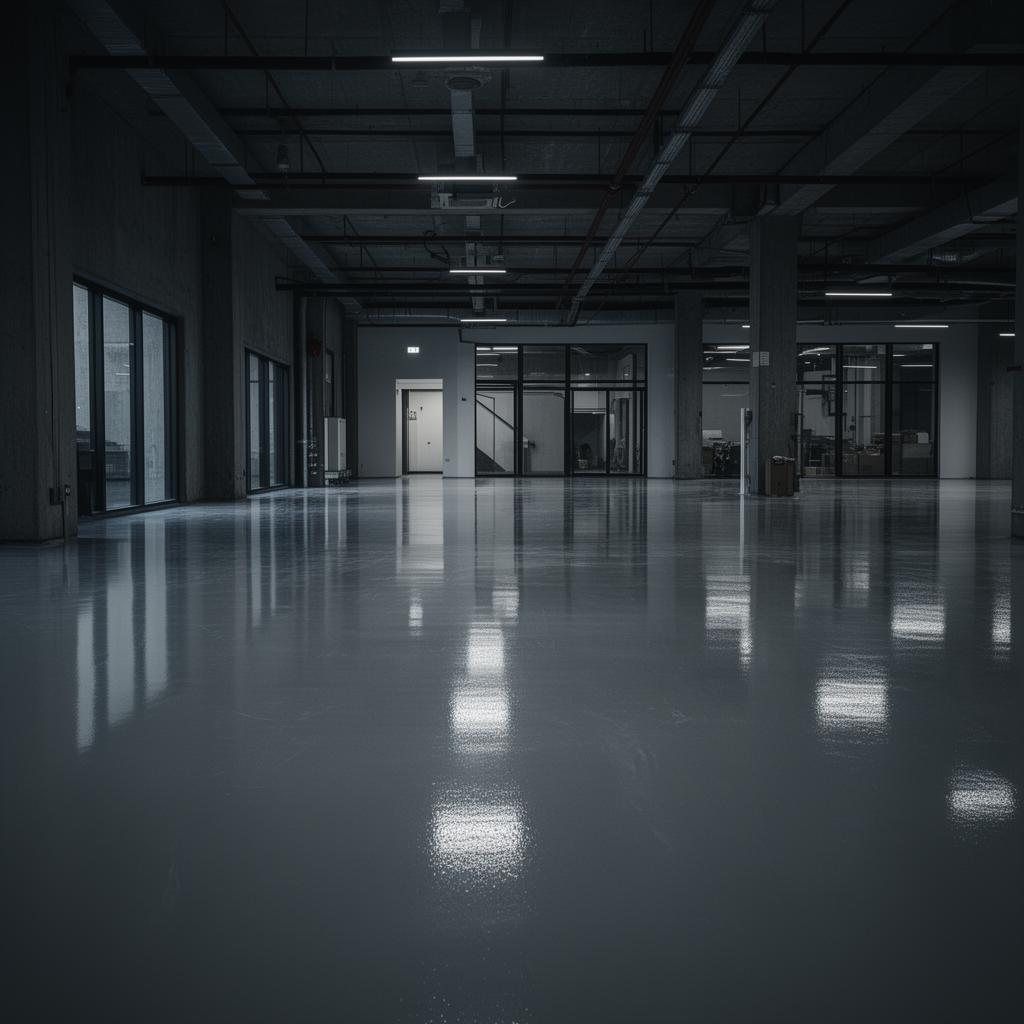
Textured anti-slip coating applied to a commercial kitchen floor

Anti-slip additives are fine aggregate or textured particles blended into a floor coating to increase surface grip. They are a genuinely effective way to reduce slip risk in wet or greasy areas, but they change how the floor cleans and looks, which needs weighing up honestly.

Questions we are asked about this

Does a coarser anti-slip grade always mean safer flooring?

Not necessarily — matching the grade to the actual wet or greasy risk in that area matters more than simply choosing the roughest option available.

How does an anti-slip floor affect cleaning time?

Textured surfaces generally take longer to clean thoroughly than a smooth coating, since grease and grime sit in the texture rather than wiping straight off.

Can anti-slip additive be added to an existing coating during a refresh?

Where the existing coating is sound and compatible, a fresh anti-slip topcoat can often be applied over it after proper cleaning and assessment.

How the additive changes the surface

Grading of the aggregate determines how aggressive the texture feels underfoot. A fine grade gives subtle grip suited to general wet areas, while a coarser grade suits kitchens or external ramps where the slip risk is more severe.

  • Fine grade: general washrooms and light wet-area risk
  • Medium grade: commercial kitchens and food preparation floors
  • Coarse grade: external ramps and heavily wetted walkways
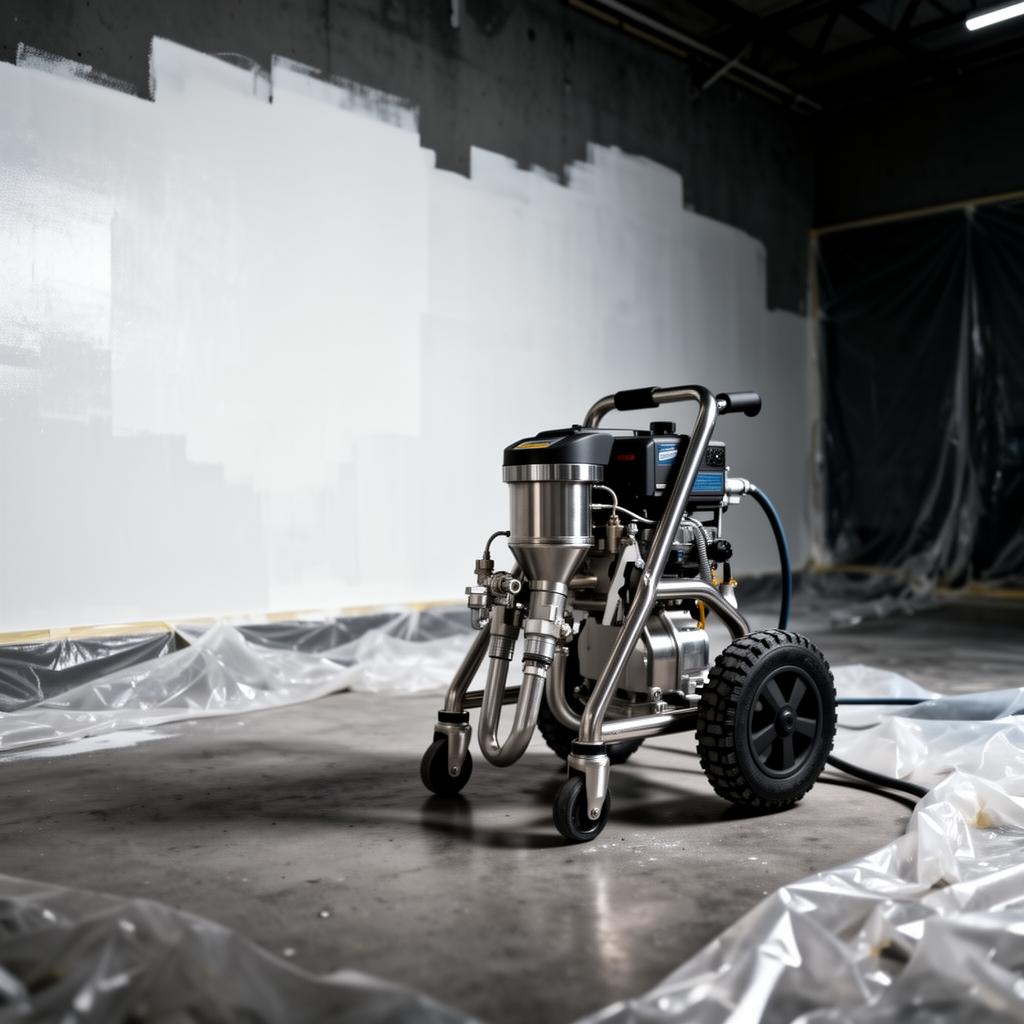
Aggregate additive being mixed into floor coating before application

The trade-off with cleaning

A more textured surface grips dirt and grease as well as feet, which means cleaning regimes need to work harder to keep it hygienic. Choosing a grade heavier than the actual risk requires simply adds cleaning burden without a proportionate safety benefit.

Where additive alone is not enough

Slip risk is also about drainage, lighting and footwear, not just the coating. We flag where an anti-slip coating is being asked to compensate for a drainage fault or a lighting gap that should really be addressed at source.

How we work on this

  • We grade anti-slip aggregate to the actual risk in each area rather than a single default.
  • We factor cleaning regime into the grade of additive recommended.
  • We flag drainage or lighting issues that a coating alone cannot fix.

Describe the wet or greasy areas of concern and we will recommend the right anti-slip grade for each.

Anti-slip additives genuinely reduce risk when the grade matches the hazard, but they are only one part of a safe floor.

Start your project

Planning a commercial painting or decorating project?

Speak to a Hampshire commercial decorating contractor that turns up, communicates clearly and delivers a finish that lasts.