Coating selection

Choosing between water-based and solvent-based trim paint

Most joinery paint sold today is water-based, and for good reason, but oil-based systems have not disappeared. The right choice depends on the existing coating, the room and how much odour and downtime you can tolerate during the work.

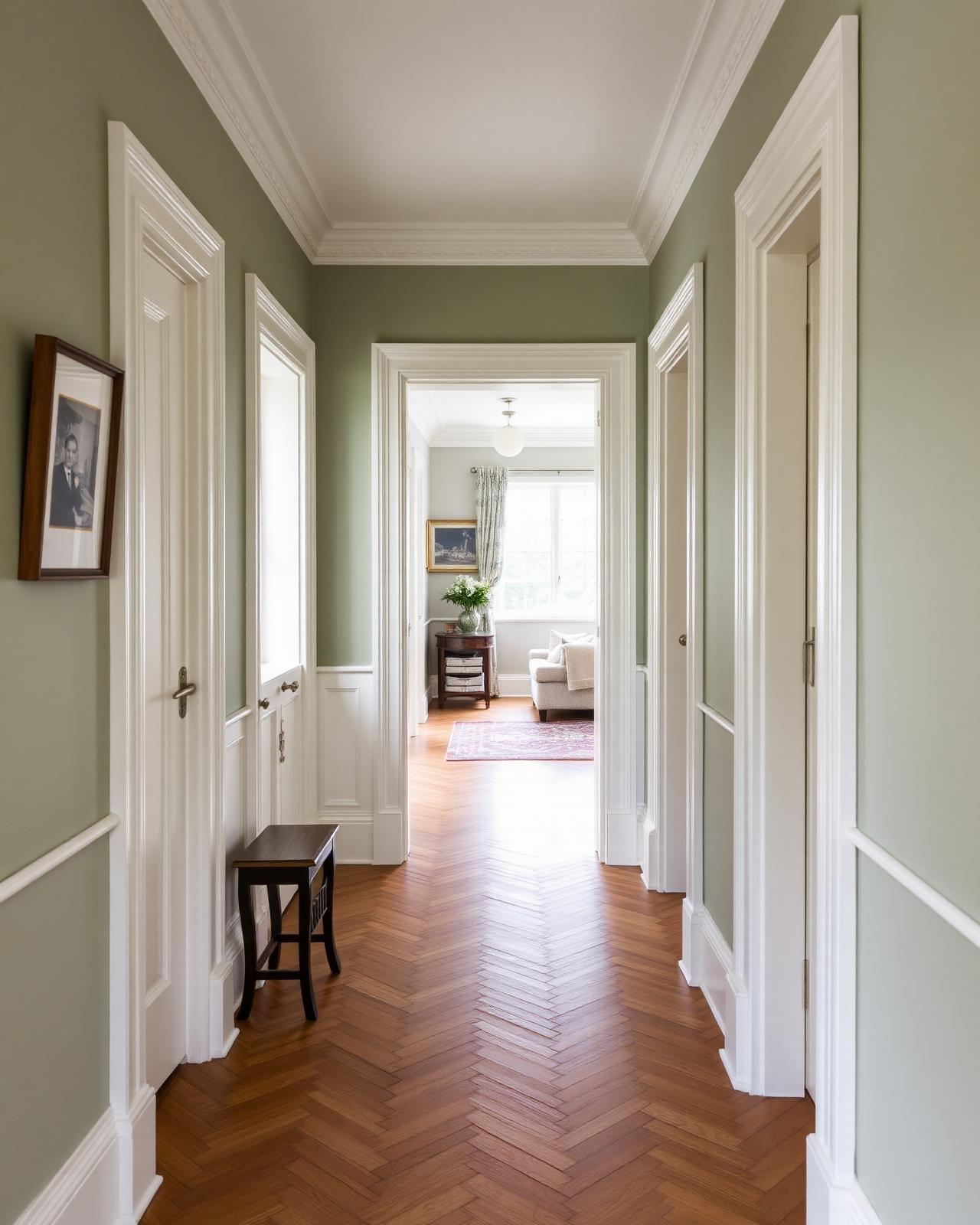
Freshly painted skirting board and door frame in a Hampshire hallway

Where the two systems actually differ

Water-based trim paints dry fast, keep their colour and carry far less odour, which suits occupied homes and offices. Solvent-based systems flow out more slowly, giving a longer window to lay off brush marks, and they still resist yellowing less well than manufacturers once claimed on white finishes.

  • Water-based systems recoat in hours, not overnight
  • Solvent-based systems self-level better on wide flat panels
  • Odour and ventilation needs differ sharply between the two
What is already on the woodwork matters more than preference

Old oil gloss needs a proper key and, in some cases, a bonding primer before a water-based topcoat will grip reliably. Skipping that step is the most common cause of early peeling we are called back to inspect.

Practical trade-offs on site

Fast-drying water-based coatings let us close a room back up the same day, which matters in a lived-in house. Solvent-based coatings still suit heavy-traffic joinery where the extra hardness and flow are worth the longer cure and the stronger smell.

  • Occupied rooms: water-based for turnaround and low odour
  • Heritage joinery matched to an existing oil finish: sometimes solvent-based
  • High-handling areas: either, provided the prep and primer are right

How we work on this

  • We test the existing coating before recommending a system rather than defaulting to one product.
  • We key and prime accordingly when switching a surface from oil to water-based paint.
  • We match sheen and colour across a room so old and new coats read as one job.

Questions we are asked about this

Will water-based gloss go yellow like old oil paint used to?

Modern water-based trim paints resist yellowing far better than traditional oil gloss, particularly out of direct sunlight, though very pale whites can still shift slightly over years.

Can I put water-based paint straight over old oil gloss?

Only after a thorough key and usually a bonding coat. Painting directly over a glossy oil surface without preparation is the single biggest cause of peeling we see.

Which dries harder for a front door?

Solvent-based systems traditionally cure harder, but modern water-based joinery ranges have closed much of that gap and are what we specify on most projects now.

Close-up of a brush cutting in gloss paint along a door architrave

Send a photograph of your existing woodwork and we will tell you which system will actually hold.

The best trim paint is the one compatible with what is already there, not simply the newest product on the shelf.

Start your project

Planning a commercial painting or decorating project?

Speak to a Hampshire commercial decorating contractor that turns up, communicates clearly and delivers a finish that lasts.