
Yellowing white gloss, cause and cure
Traditional oil-based gloss ambers as the binder oxidises. It happens fastest in rooms with little natural light, behind furniture and inside cupboards, which is why the back of a door often yellows before the front.
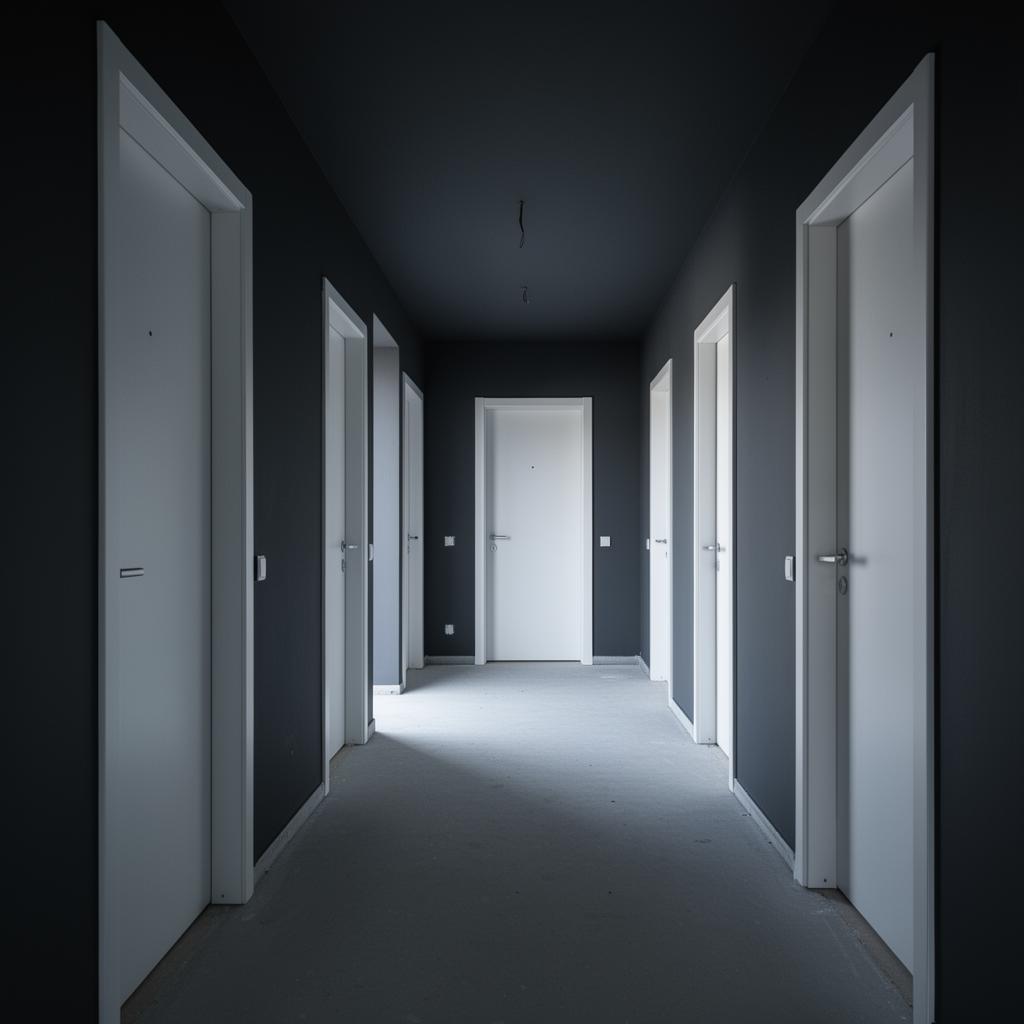
It's the binder, not the pigment
Alkyd binders naturally yellow over time. No amount of extra coats prevents it, and the effect is worse where UV light isn't there to bleach the film back.
Switching to water-based trim paint
Modern water-based satinwood and gloss stay white for far longer and dry with much lower odour. The transition needs full abrasion and an adhesion primer over the old oil film.
Managing the changeover room by room
Yellowed and fresh white sit badly side by side. We usually recommend completing whole rooms, or at least all visible joinery in a sightline, rather than mixing systems within one space.
Cleaning products matter too
Some household cleaners and aerosol products leave a residue that discolours trim. A mild detergent wash is safer for maintaining painted joinery.
Want a professional to handle it?
Need this done? Get a quote from Dynamic Decorating for domestic decorating.
Common questions
Will water-based gloss yellow?
It resists yellowing far better than alkyd gloss, which is the main reason we specify it for white trim.
Is water-based gloss as hard-wearing?
Modern trim paints are durable and stay flexible; they take a little longer to reach full hardness.
Can I just recoat the yellowed gloss with white?
Only after abrading and priming, otherwise adhesion suffers and the amber can influence the new film.
Why is the inside of my cupboard the yellowest?
No daylight reaches it, so nothing counteracts the natural ambering of the oil binder.
Related services
Covering Hampshire and the South Coast
Read next
Next step
Ask for a low-odour water-based trim specification for occupied homes.
Request a surveyPlanning a commercial painting or decorating project?
Speak to a Hampshire commercial decorating contractor that turns up, communicates clearly and delivers a finish that lasts.