
Specification and comparisons

Setting a snagging standard that is actually fair

A contractor and client walking a freshly painted office corridor with a shared checklist.

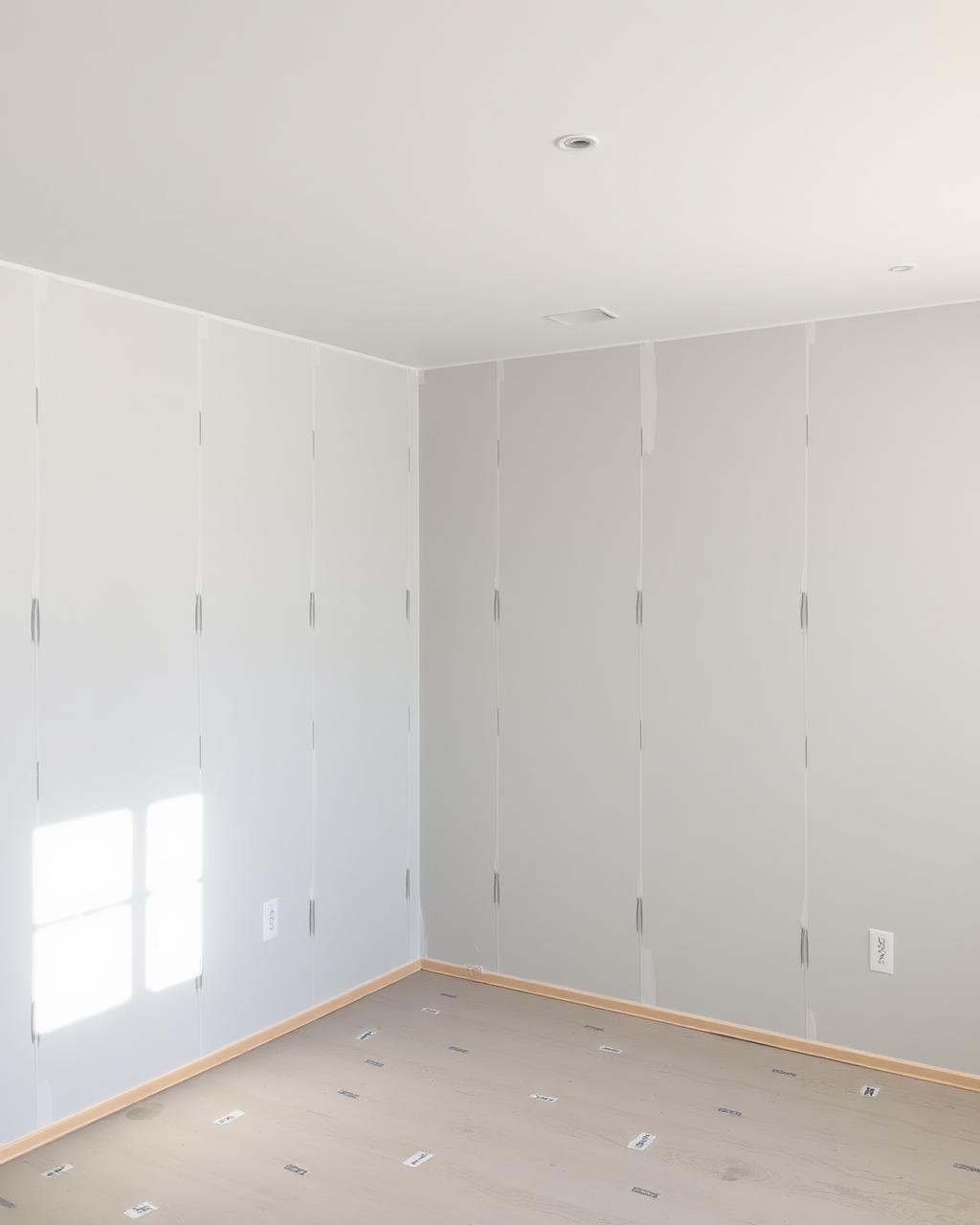
Snagging disputes usually come down to a mismatch in expectations about what counts as a defect. A standing joke on site is that any finish looks flawed under a torch held at a raking angle six inches from the wall. Setting the inspection distance and lighting condition in advance turns snagging from an argument into a checklist.

Define the viewing condition, not just the defect

A specification should state the distance and lighting under which a finish will be judged — typically normal viewing distance under the room's usual lighting, standing rather than crouching or using a torch to hunt for faults that are invisible in ordinary use.
Separate genuine defects from acceptable variation

Minor roller stipple on a ceiling, very slight brush marks on a radiator in a low-traffic area, and small colour variation between tins of the same batch are common points of contention. Deciding in advance what falls inside acceptable tolerance avoids a snagging list becoming a wish list.

  • Genuine defects: missed areas, drips, poor coverage, visible masking lines
  • Acceptable variation: very minor stipple, slight sheen difference under raking light only
  • Grey areas worth naming specifically before work starts

How the snagging visit should actually run

A joint walk-through with both the client's representative and the contractor present, working room by room with a shared list, produces a far more workable outcome than separate lists compiled independently and compared afterwards.

  • A joint list agreed on the day, not compiled separately
  • Items photographed and dated where there is any disagreement
  • A clear return date agreed for any outstanding items

Closing out the list properly

Once items are addressed, they should be checked off jointly rather than assumed complete. A snagging list that is never formally closed tends to resurface later as a source of disagreement, even where the work was actually completed to a reasonable standard.

Questions we are asked about this

Is it reasonable to inspect with a torch at close range?

Not as the standard test — most specifications judge finish under normal room lighting at a normal viewing distance, since almost any surface shows imperfection under a raking torch.

Who should attend a snagging walk-through?

Ideally the client's representative and the contractor together, working from one shared list rather than comparing two separate lists afterwards.

What happens with disputed items?

Photograph and date them at the time, and refer back to the agreed specification or any approved sample panel as the reference point for resolving the disagreement.

A close-up photograph documenting a minor snagging item on a skirting board.

Ask us to agree a written snagging standard with you before your project reaches handover.

A fair snagging standard is agreed in advance, not improvised during the inspection itself.

Start your project

Planning a commercial painting or decorating project?

Speak to a Hampshire commercial decorating contractor that turns up, communicates clearly and delivers a finish that lasts.