
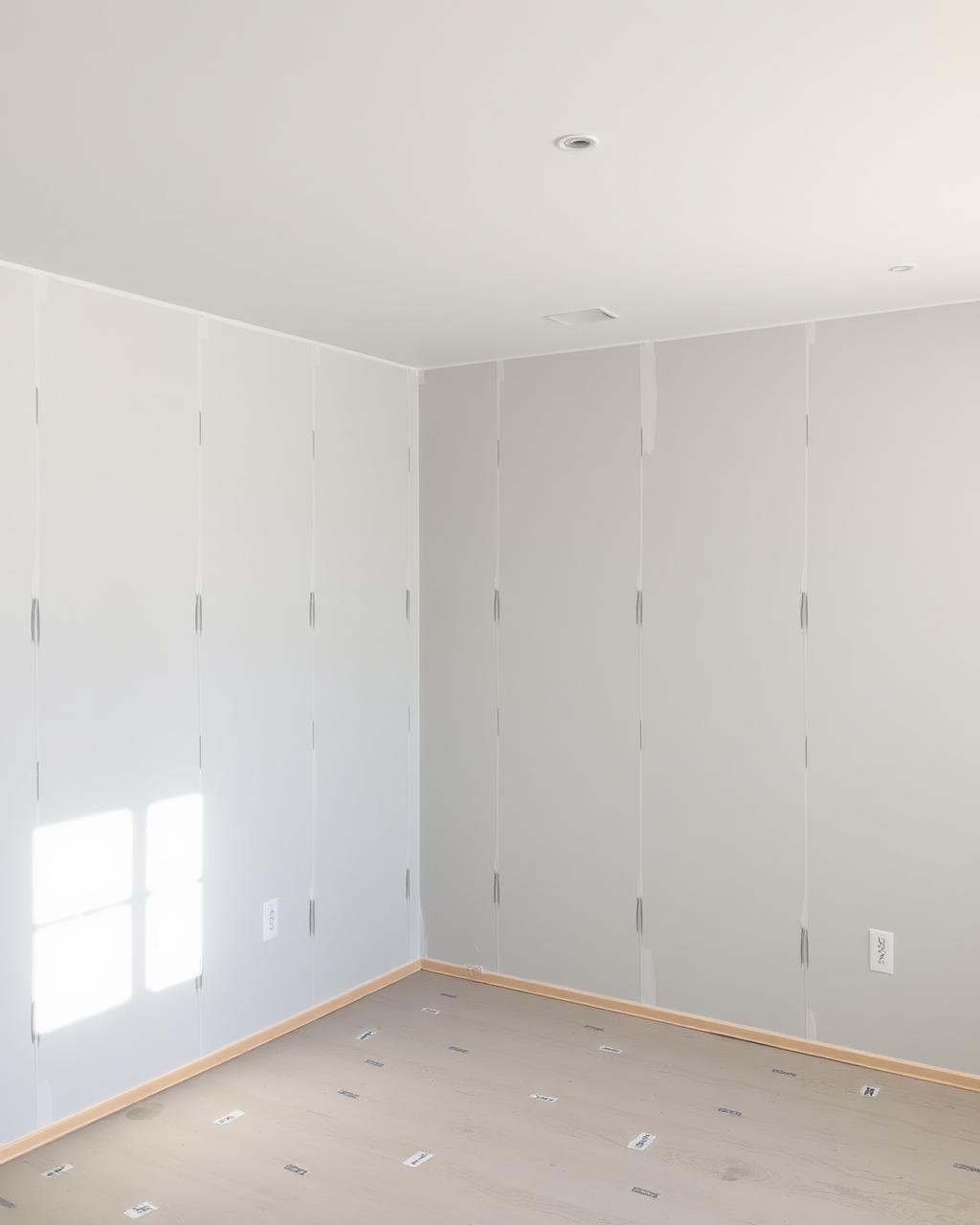
Fit-out and refurbishment

Keeping dust from other trades off finished paintwork

Zip-wall dust barrier separating a floor-sanding area from a freshly painted corridor

A wet coat and airborne dust are a bad combination, and cut plasterboard, floor sanding and stone worktop fabrication all throw fine dust that settles into an open film long after the trade that made it has left the room. This is one of the most common reasons a decorator ends up recoating for free.

Questions we are asked about this

Whose cost is it if another trade's dust ruins our paintwork?

That's a site management question rather than a decorating one, but we photograph condition on completion and again before returning, so there's evidence if it's disputed.

Can painting and floor sanding happen on the same day?

Not in the same space. We coordinate so sanding on one floor happens while we're painting on another, or we schedule sanding first and painting after.

Does dust affect adhesion as well as looks?

Yes — dust trapped in a curing film creates a rough, weakly bonded surface that can shed later, not just a cosmetic mark.

Timing the last coat against dust-generating work

The final coat should follow the last dust-heavy operation on that floor, not precede it. We ask which trades are still due into a room before committing to a finish date, because a floor sander booked for the following week will undo an overnight cure.

  • Floor sanding, cutting and grinding scheduled ahead of final coats
  • Dry lining offcuts and board dust cleared before we return
  • Extraction on any sanding within the same enclosed space
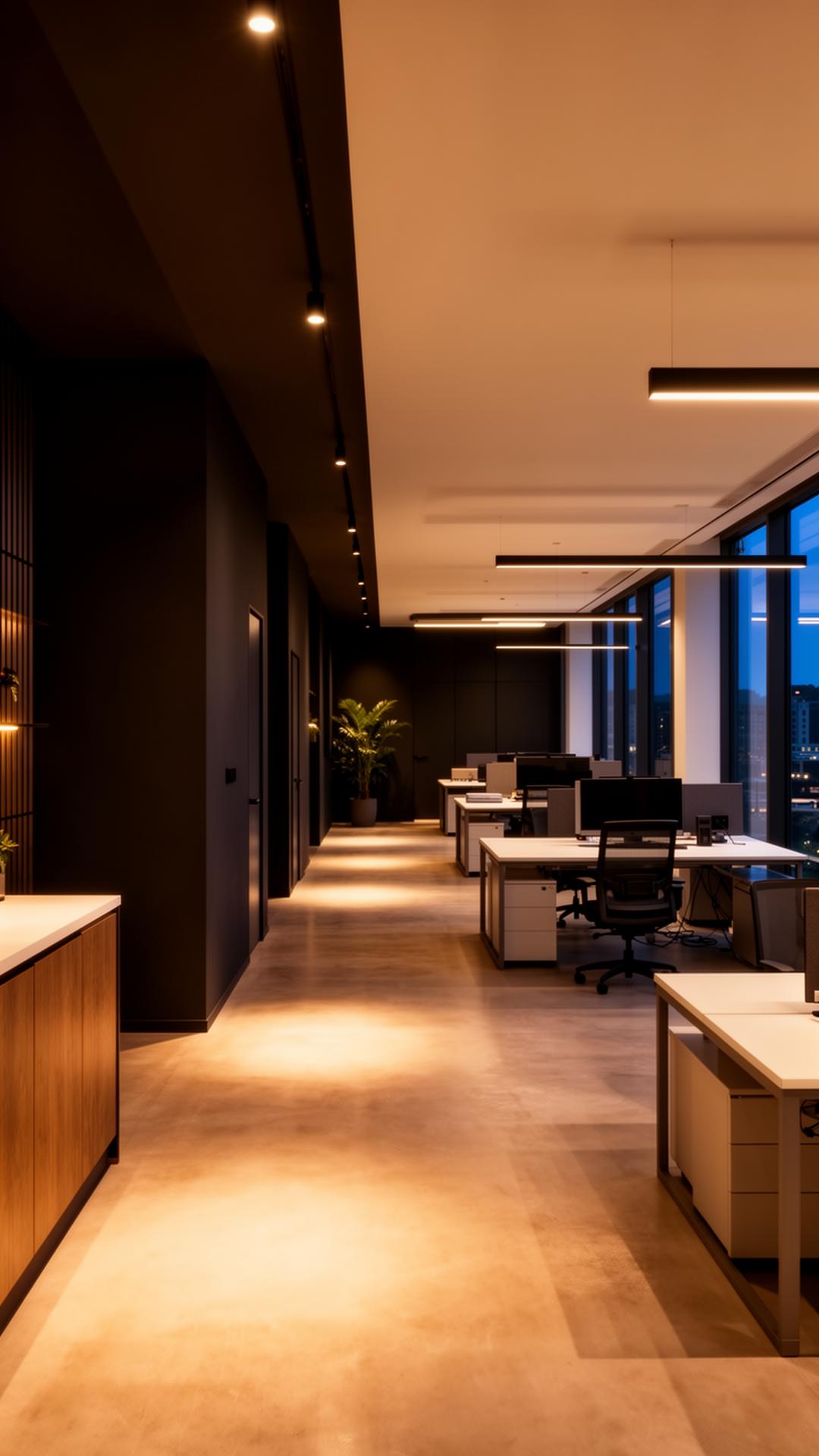
Barriers and zoning that actually work

Temporary zip-wall partitions and negative-pressure screens keep dust contained to the trade generating it. Plastic sheeting alone slows dust rather than stopping it, so on floors with concurrent trades we specify proper containment rather than relying on good behaviour.

What we do if dust settles anyway

A light dusting on a fully cured film can sometimes be wiped and re-examined rather than automatically recoated, saving time and material. Dust settled into a still-tacky film has to be cut back and redone — there is no shortcut that leaves an acceptable finish.

How we work on this

  • We check the site's remaining dust-generating trades before confirming a final coat date.
  • We use physical containment on shared floors rather than relying on other trades to sheet up.
  • We photograph finished rooms at handover so condition is recorded before any later trade goes back in.
Decorator wiping settled dust from a fully cured painted wall before inspection

Share the list of trades still due on your floor and we will fit our final coat around them.

The final coat needs to be the last thing that happens in a room, not the thing dust lands on afterwards.

Start your project

Planning a commercial painting or decorating project?

Speak to a Hampshire commercial decorating contractor that turns up, communicates clearly and delivers a finish that lasts.