
Fit-out and refurbishment

Plasterwork tolerances and the limits of paint

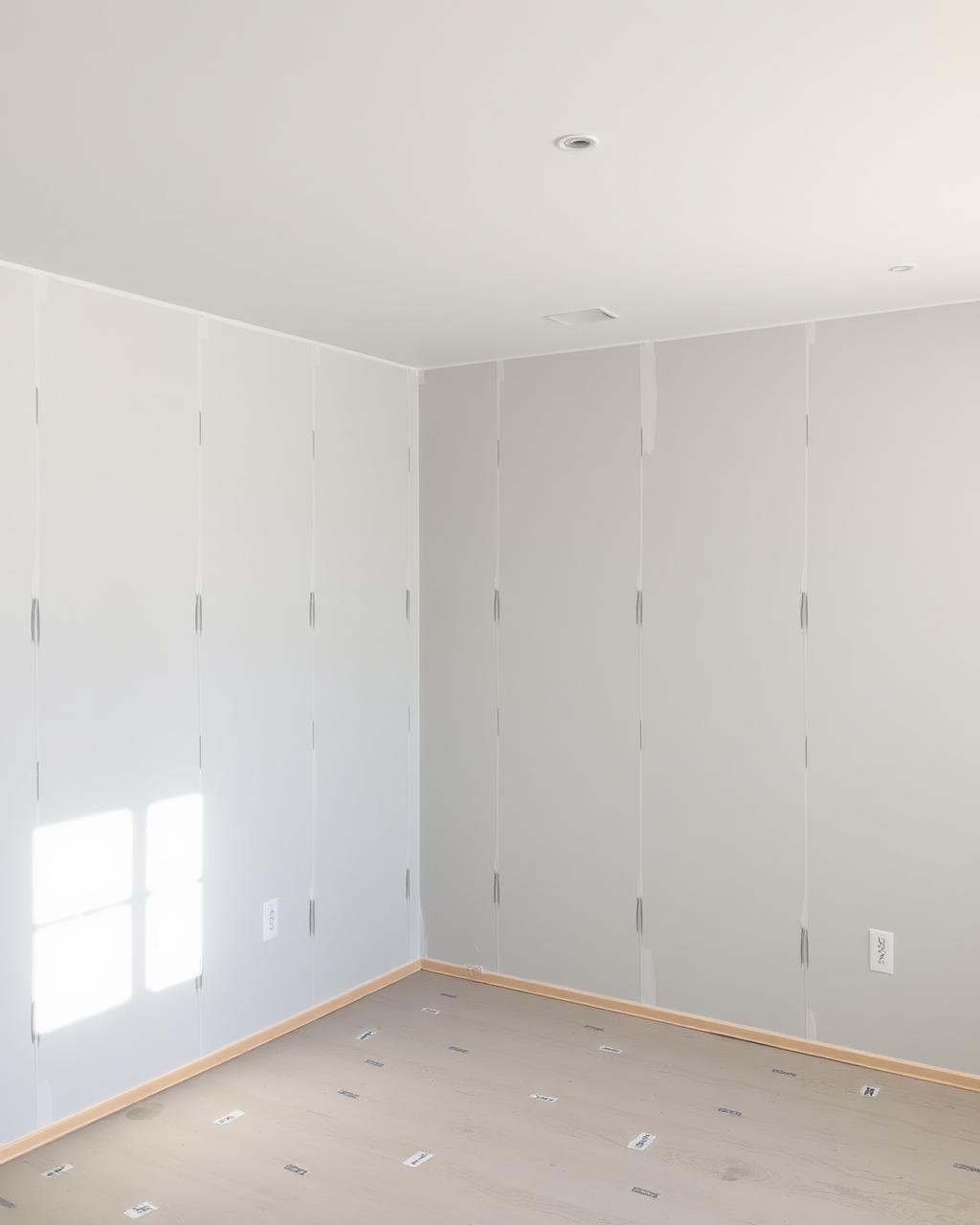
Raking light across a plastered wall revealing a visible tape joint line beneath a painted finish

Paint is often asked to correct problems it was never designed to solve. A flat matt coating can soften minor texture, but it cannot flatten an uneven wall, and raking light finds every trowel mark, joint and hollow that ordinary daylight had been kind enough to hide.

Questions we are asked about this

Can a mid-sheen paint hide bad plastering?

No — mid-sheen and satin finishes reflect light more evenly across a surface, which actually makes uneven plaster more visible, not less.

What should we do if we find plastering defects after painting has started?

Stop and raise it before continuing over the affected area, since covering it without agreement risks a dispute about whose defect it is at handover.

Does a thicker coat help disguise poor plastering?

A little, on very minor texture, but it adds drying time for a limited benefit and won't correct genuine unevenness or hollow areas.

What a coating system can genuinely improve

A high-build product can even out very light surface texture and minor suction variation across a patched wall, and a well-applied mist coat and two full coats will give a more even sheen than a single coat ever could. These are real, achievable improvements, not disguise.
Sample panel comparing a flat matt and a lightly textured coating over the same imperfect plaster

What no coating will correct

Bowed or out-of-true walls, visible tape lines from a poor jointing job, trowel ridges, and hollow-sounding areas of blown plaster will all still be visible and will often be made more obvious once a uniform colour and sheen removes the visual distraction of a patchy surface. Raking light from a window or a low downlight makes these defects unmissable.

  • Out-of-true or bowed walls remain visible under any sheen level
  • Poor tape jointing shows as a subtle ridge under raking light
  • Hollow or blown plaster telegraphs through even a thick coating eventually

Raising it before, not after

We flag plastering tolerance issues at survey stage, in writing, so the client can decide whether to have the plasterer return before decoration starts. Painting over a known defect without saying so in advance stores up a dispute for the handover walk-round.

Choosing a finish that suits the substrate you actually have

Where a wall genuinely cannot be brought to a smooth finish within the budget, a lower sheen level or a lightly textured coating will show far less than a flat matt or a satin finish, which reflects light unevenly across any imperfection.

How we work on this

  • We flag plastering tolerance issues in writing at survey stage before decorating starts.
  • We recommend sheen levels that suit the actual substrate condition rather than a default specification.
  • We check for hollow-sounding plaster before committing a coating system to it.

Ask us to inspect the plastered walls before final decoration and we will report honestly on what paint can and can't do.

Paint can even out light texture and improve sheen consistency, but it cannot correct genuine plastering defects.

Start your project

Planning a commercial painting or decorating project?

Speak to a Hampshire commercial decorating contractor that turns up, communicates clearly and delivers a finish that lasts.