
Specification and comparisons

Choosing between a two-coat and a three-coat build

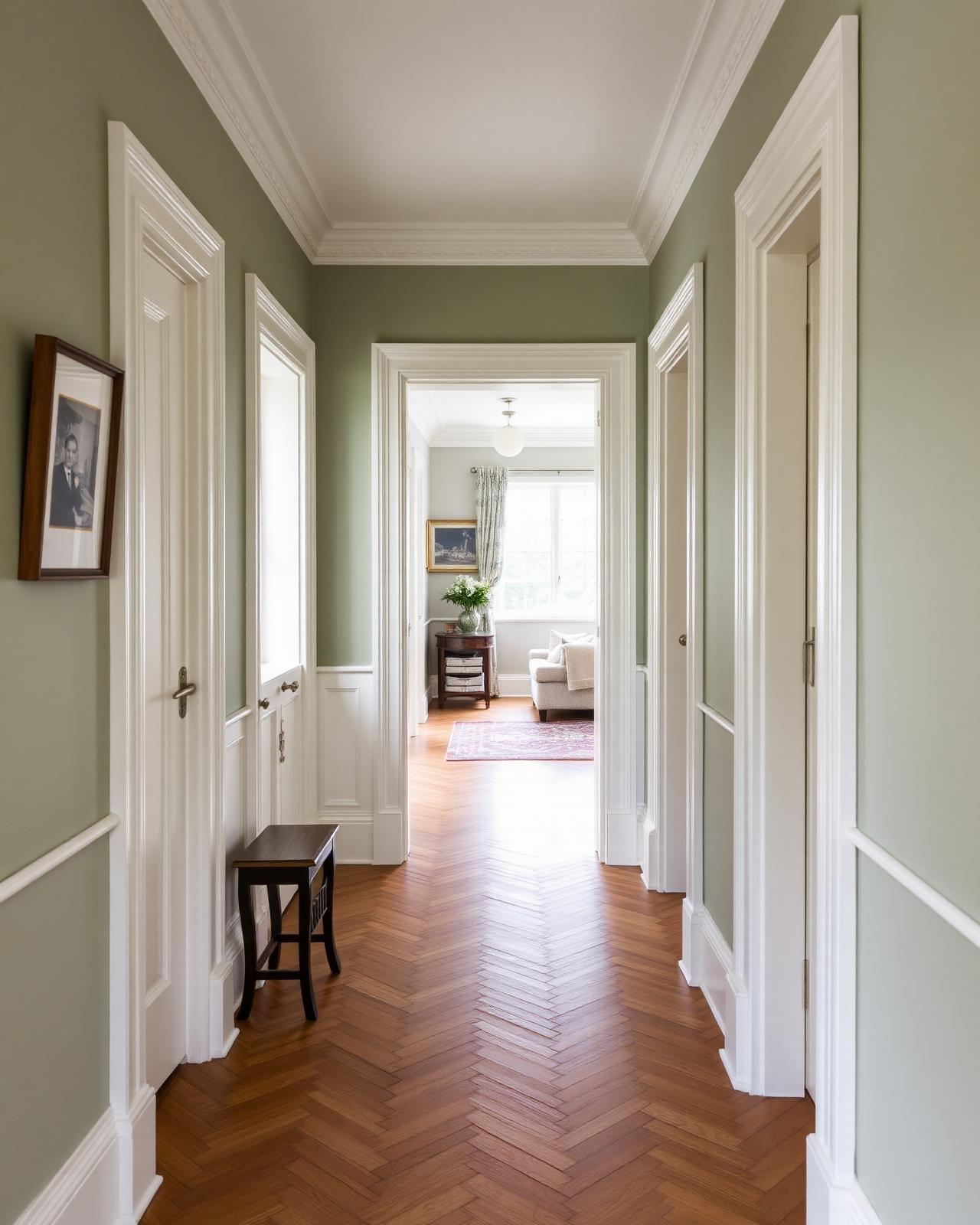
Two roller sections on a wall showing a lighter first coat against a darker second coat.

Two coats over a sound, similarly coloured existing finish can look perfectly even. The same two coats over a dark colour change, patched plaster or a poorly stored batch of paint often will not. Knowing which situation you are in before the work starts avoids an awkward conversation about a third coat mid-job.

Where two coats genuinely holds up

Recoating a light colour with a similar light colour, on a wall that is already in reasonable condition, is the classic case where two full coats give even opacity and a consistent sheen. This is the situation most repeat decorating jobs fall into.
Where the third coat earns its place

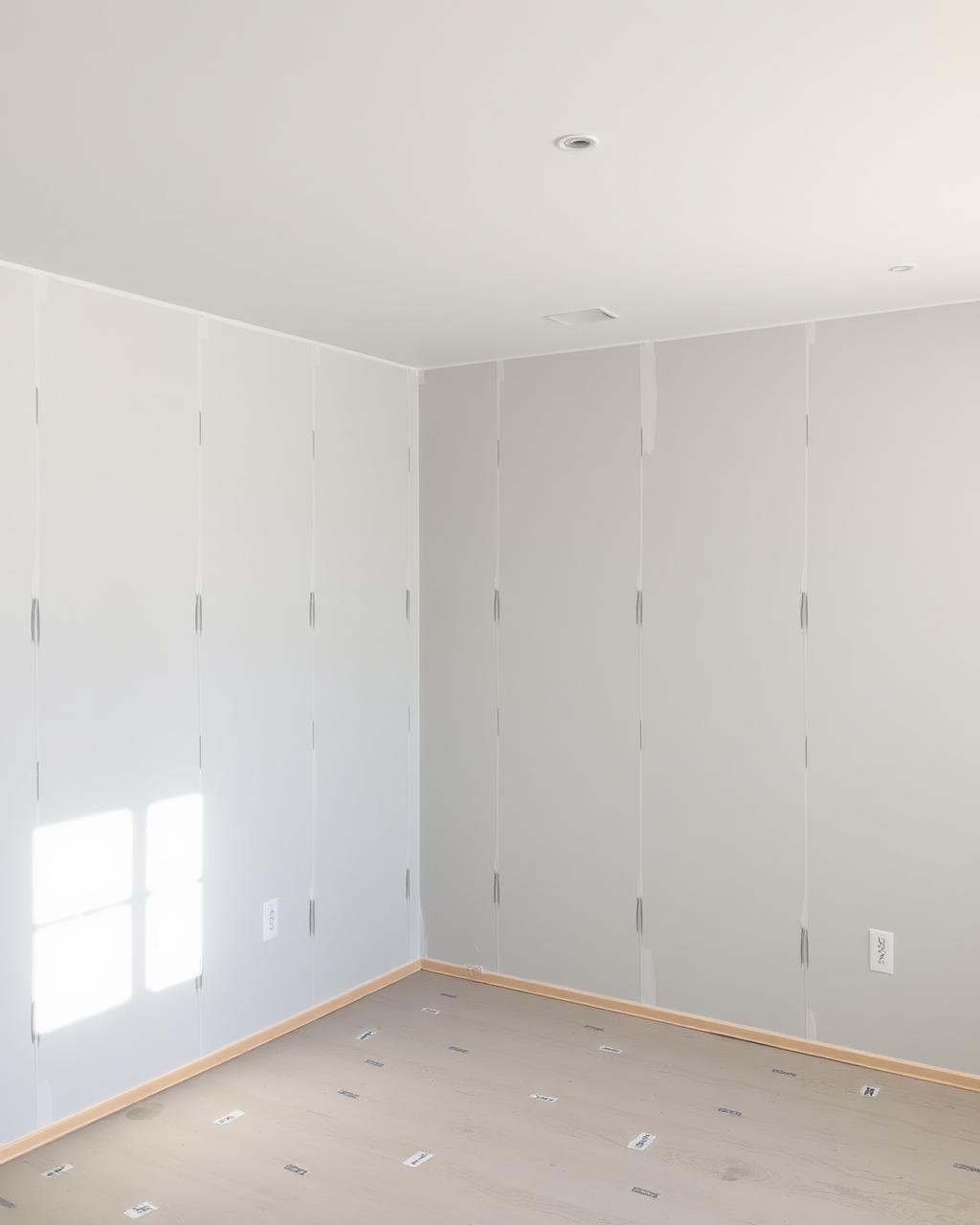
Strong colour changes, particularly pale over dark or dark over pale, rarely hide in two coats regardless of the paint's claimed opacity. Patched plaster, mixed substrates in one wall, and previous stain issues also tend to show through unless a third coat evens the surface out.

  • Dark-to-light or light-to-dark colour changes
  • Freshly patched or skimmed sections within an older wall
  • Suction differences between old paint and new plaster

How this should appear in a specification

Rather than writing 'emulsion to walls', a specification should state the coat count expected for the colour change involved, with a note that an additional coat will be applied if opacity is not achieved at the stated count. This protects both sides from a dispute over what was quoted.

The cost trade-off in plain terms

A third coat adds material, drying time between coats and labour, without changing the substrate preparation underneath it. It is a finish decision, not a preparation shortcut, and should be weighed against how long the room needs to look right rather than against the preparation budget.

Questions we are asked about this

Will a 'one-coat' paint really do the job in one pass?

Over a very similar existing colour on a sound wall, sometimes close to it. Over any real colour change or patched area, expect at least two coats regardless of the tin's claim.

Can I decide on site after seeing coat one?

Yes, and this is common practice — the specification should simply state that a further coat will be applied if the first has not achieved even opacity.

Does a three-coat spec change the drying time between coats?

No, each coat still needs its normal recoat window; the extra coat adds a further drying period rather than compressing existing ones.

A hand holding a colour card against a freshly patched section of plaster.

Tell us your existing and target colours and we will indicate the likely coat count before you commit to a price basis.

The right coat count depends on the colour change and the wall, not on a fixed rule.

Start your project

Planning a commercial painting or decorating project?

Speak to a Hampshire commercial decorating contractor that turns up, communicates clearly and delivers a finish that lasts.