Specification and comparisons

Weighing spray application against brush and roller

Spraying gives the flattest, most consistent film on joinery and can move quickly across large open areas, but it demands masking and an empty room in a way brush and roller does not. The right choice depends on the substrate, the occupancy of the space and how much disruption the job can tolerate, not on which method sounds more advanced.

A technician spraying a cabinet door in a masked-off workshop bay.

Where spraying wins on finish

Panelled doors, spindles, radiators and any surface with detail benefit most from spraying, because the film goes on without brush marks catching in the mouldings. Kitchen cabinet doors are a common example where the flat, factory-like result is hard to match by hand.
A brush and roller laid across a paint tray beside a partly painted skirting board.

Where brush and roller wins on practicality

Occupied rooms, small areas, and jobs with a lot of adjoining surfaces that must not be coated all favour brush and roller, because masking every socket, skirting and fitting for a spray gun can take longer than simply painting by hand.

  • No overspray risk to adjoining surfaces or furniture
  • Rooms can often stay partly in use during the work
  • Faster to start on small or awkwardly shaped areas

The masking and protection reality of spraying

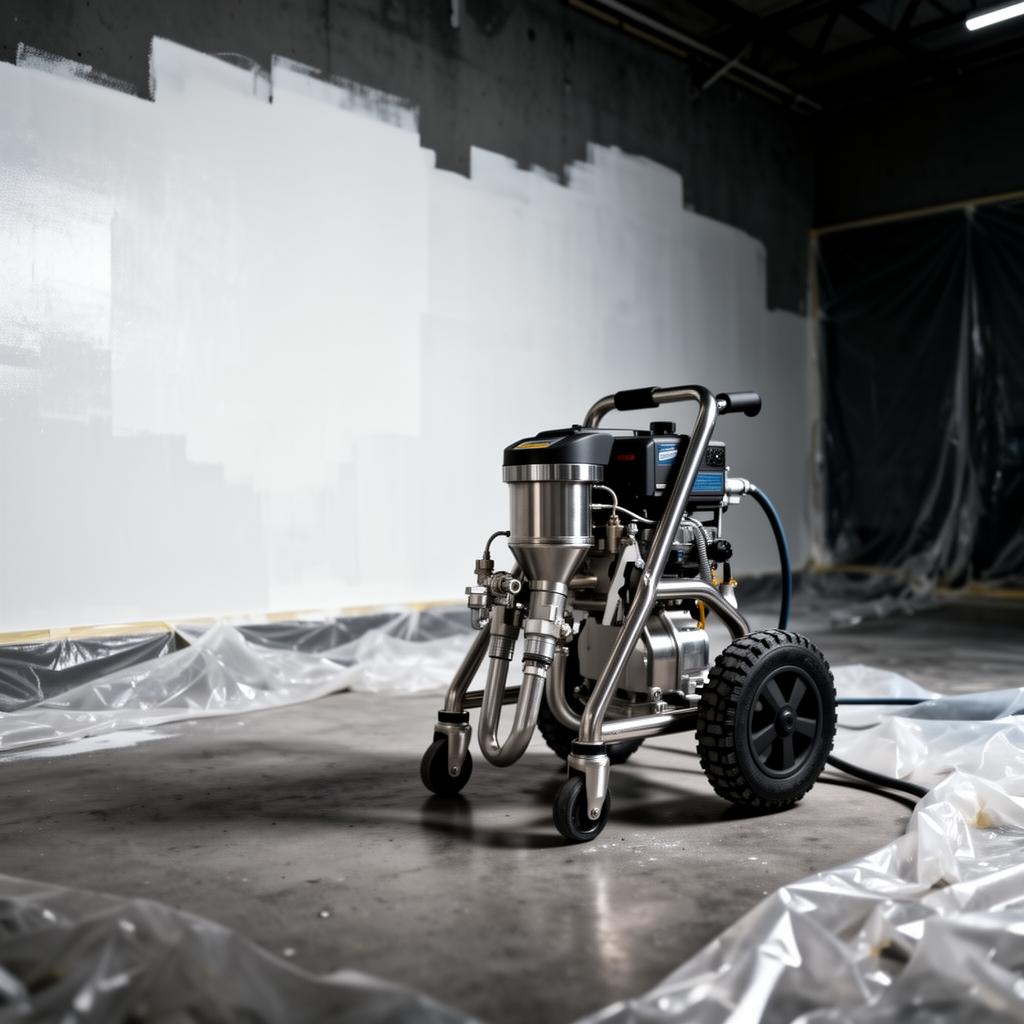
A spray job is rarely just the spraying. Floors, glazing, ironmongery and anything not being coated needs sheeting or taping first, and that preparation time should be accounted for in a spray quote rather than assumed to be free.

  • Full floor protection ahead of any spray pass
  • Doors, windows and fittings taped or removed
  • Extraction or ventilation planned for the area being sprayed

Comparing the finished result honestly

A well-sprayed door will out-finish a well-brushed one on flatness, but a well-brushed wall in an occupied home can look just as good day to day as a sprayed one once dry. The comparison only favours spraying strongly where surface detail or a factory-flat sheen is the actual goal.

How we work on this

  • We choose application method by substrate and room condition, not by default
  • We mask and protect fully before any spray work begins
  • We can brush finish coats where spraying would add unnecessary disruption

Questions we are asked about this

Is spraying always more expensive than brushing?

Not necessarily on its own, but the masking and protection it needs often adds time that brush work does not require, so the total picture depends on the room.

Can spraying be done with furniture still in the room?

It is possible with heavy sheeting, but it increases risk and masking time considerably, so clearing the space is usually the more sensible route.

Does spray paint last as long as brushed paint?

The paint itself performs the same either way — the application method affects finish and film evenness, not the coating's durability.

Describe the room and the finish you want and we will recommend spray, brush or a mix of both.

Spray suits detail and speed on empty rooms; brush suits occupied spaces and smaller areas.

Start your project

Planning a commercial painting or decorating project?

Speak to a Hampshire commercial decorating contractor that turns up, communicates clearly and delivers a finish that lasts.