
Working in occupied premises

Decorating a communal stairwell without blocking it

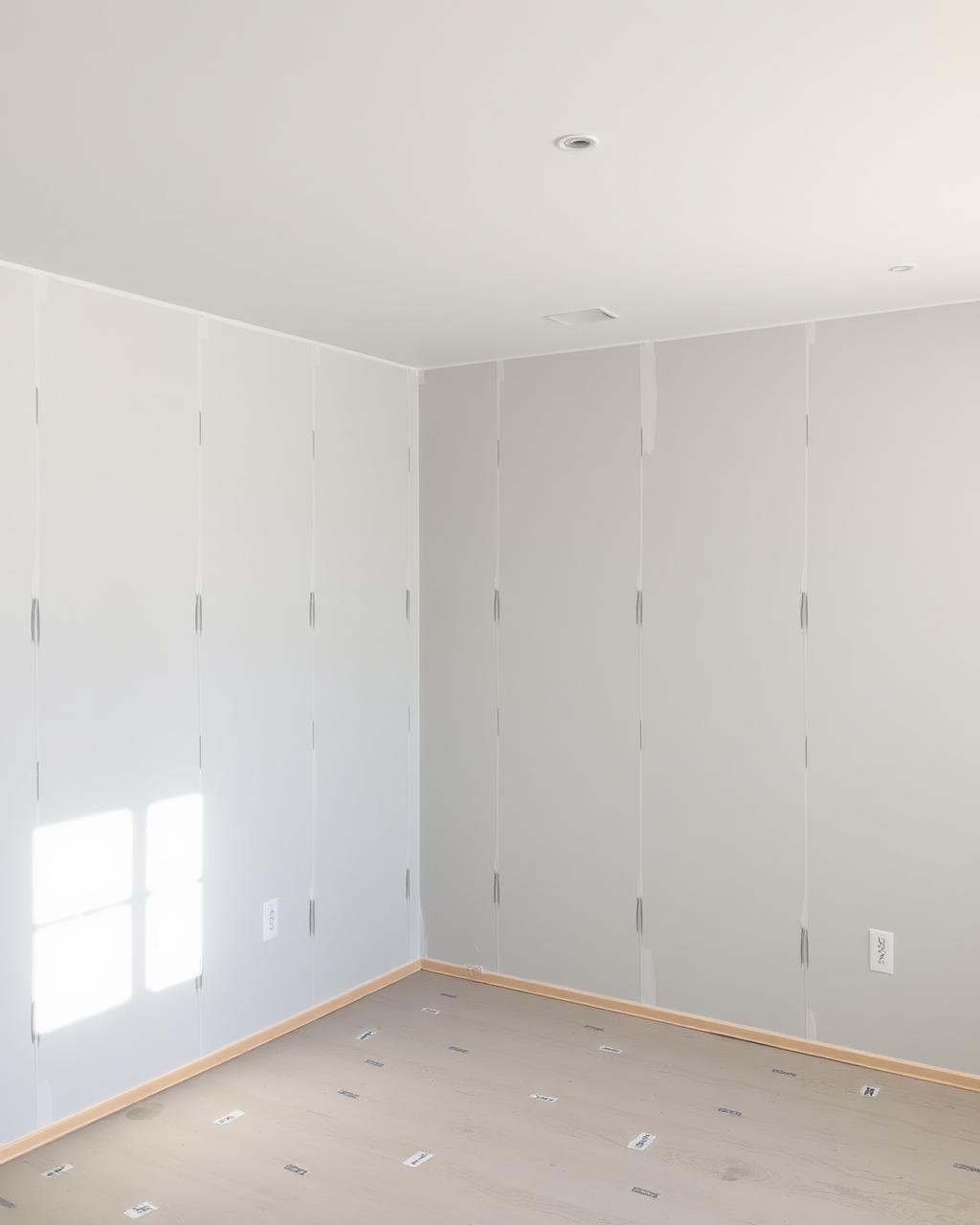
Communal stairwell with a dry tread strip maintained beside a freshly painted half-width section

A shared stairwell in a block of flats often has no alternative route, which means the sequencing of the work matters more than almost anything else about the job. Getting the order of landings wrong can leave a resident on an upper floor with nowhere dry to walk for an entire evening.

Questions we are asked about this

Will residents be able to use the stairs throughout the work?

Yes — we always maintain a dry, safe path on every tread and never fully close a stairwell that's the sole route for residents, working in half-width sections instead.

How long does a typical block stairwell take?

It depends on the number of floors and the amount of preparation needed, but we give a floor-by-floor time estimate up front so residents know roughly when their own landing will be affected.

Can bins and deliveries still happen during the work?

Yes, we check collection days in advance and time the wettest stages of the work to avoid clashing with bin collection or expected deliveries.

Working top to bottom, or bottom to top, deliberately

We choose a direction for the whole stairwell and stick to it, usually top to bottom so drying paint is always below any resident still needing to reach the ground floor, never above them. Mixing directions between landings creates confusion and, worse, genuine access problems for residents on higher floors.
Keeping one tread width dry at all times

Rather than coating a full landing or flight in one pass, we work half the tread width at a time, always leaving a dry strip a resident can use to pass safely. It's slower than coating the whole width in one go, but it means nobody is ever fully cut off from their own front door.

  • Half-width coating with a dry strip maintained on every tread
  • Handrail coated in short sections so it's never wet on both sides at once
  • Landing outside each flat door treated last so residents can leave for work first thing

Managing bin days, deliveries and visitors mid-programme

Communal stairwells still need to carry bins out, post in, and the occasional delivery through a multi-day repaint. We check the building's collection day and any expected deliveries before finalising the schedule, so the wettest paint never coincides with the day the bins need to go out.

Handrails, spindles and high-touch surfaces

Handrails get touched by every resident on every trip up or down, so they're specified with a harder-wearing finish than the surrounding walls and coated in a way that allows use again sooner, even if the walls beside them are still curing longer.

  • Handrails specified in a more durable finish than adjacent wall areas
  • Handrail sections timed to be touch-dry before end of working day where possible

How we work on this

  • We work stairwells in a single consistent direction, top to bottom or bottom to top, never mixed.
  • We maintain a dry, usable tread width on every step throughout the programme.
  • We check bin collection days and expected deliveries before finalising the working schedule.
Durable satin-finished handrail contrasted against matt wall paint on a shared staircase

Tell us the building's floor count and bin day and we'll return a stairwell sequencing plan.

Stairwell decoration works when residents always have a dry, obvious path to their own front door.

Start your project

Planning a commercial painting or decorating project?

Speak to a Hampshire commercial decorating contractor that turns up, communicates clearly and delivers a finish that lasts.