
Substrates and preparation

Getting the first coat right on new plaster

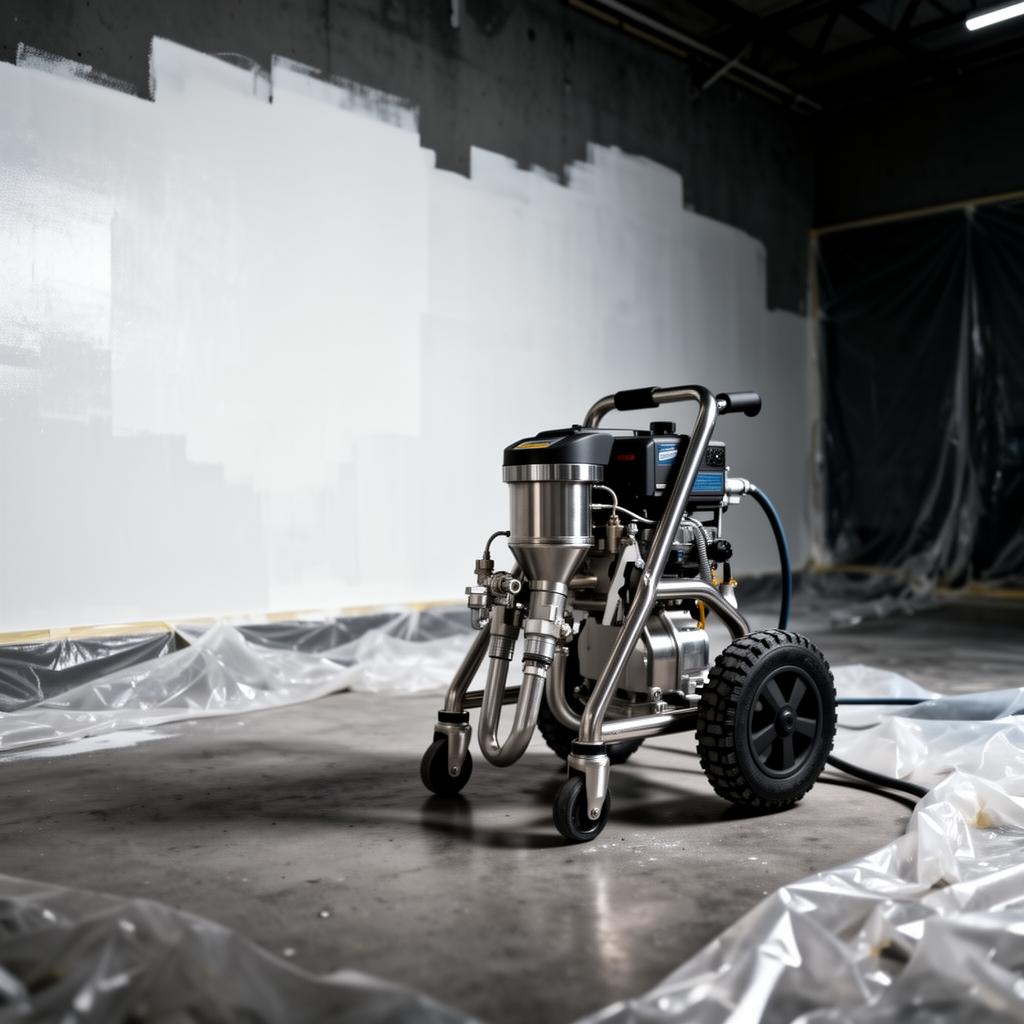
Roller applying a diluted mist coat to freshly skimmed plasterboard walls

Fresh skim looks ready to paint the moment it turns pink and dry, but the plaster is still curing underneath that surface colour. A mist coat mixed and applied to suit that stage is what stops the finish coats from flashing or peeling later.

Questions we are asked about this

How long after skimming can we paint?

New plaster generally needs several weeks to dry through fully, longer in cold or damp weather. We check condition rather than work to a fixed calendar date.

Why does my new wall look patchy after one coat?

That is normal — a mist coat highlights uneven suction rather than hiding it. A second full coat evens the appearance out.

Can you paint over tape-and-joint plasterboard the same way as skim?

The principle is the same but the absorption differs at the joints, so we usually give those lines an extra diluted pass to match the rest of the wall.

Judging when plaster is actually dry

Colour change alone is not proof of dryness. We check for even colour across the whole wall, not just the surface, since damp patches under a skim coat often show as a slightly darker shade long after the rest looks finished.
Mixing the mist coat to the plaster, not to a fixed rule

A diluted first coat lets the porous new skim take up paint evenly rather than drinking it unevenly at patches and joints. The dilution ratio varies with the plaster and the room's drying conditions, which is why a fixed recipe from a tin label is only ever a starting point.

  • Diluted mist coat applied before any full-strength paint
  • Suction checked across the wall, not assumed uniform
  • Extra coat on patch-repaired areas that dry differently

Avoiding flashing at joints and repairs

Tape-and-joint boards and skim finish absorb paint at different rates, and painting over the join without equalising that difference leaves a visible band once the topcoat goes on. An extra diluted pass on the drier tape lines usually resolves it before the final coats.

Sequencing the finish coats

Once the mist coat is fully dry, two full coats of emulsion in the specified sheen complete the wall. Rushing straight from mist coat to finish on a still-damp wall is the single most common cause of early peeling on new-build plaster.

How we work on this

  • We check plaster condition on site rather than assuming a fixed drying period has passed.
  • We mix mist coats to the substrate rather than following a single ratio for every job.
  • We give tape-and-joint lines extra attention before final coats go on.
Close-up of a tape and joint line on new plasterboard before painting

Tell us your skimming completion date and we will advise the earliest sensible day to start painting.

New plaster needs a mist coat judged to its actual drying stage, not a finish coat applied on a fixed schedule.

Start your project

Planning a commercial painting or decorating project?

Speak to a Hampshire commercial decorating contractor that turns up, communicates clearly and delivers a finish that lasts.