
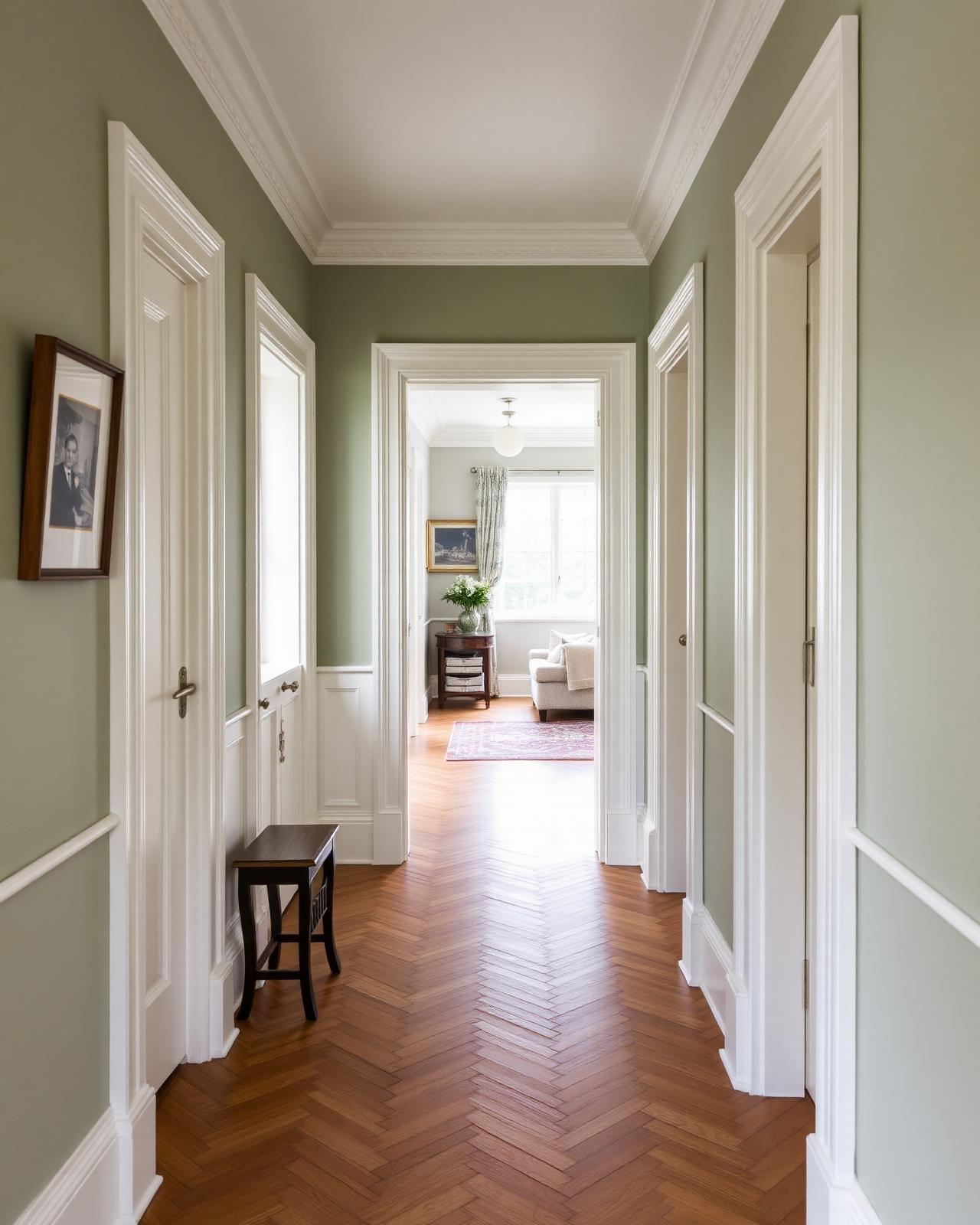
Coating selection

Finishes that work with lime plaster instead of against it

Limewash being applied by brush to a lime-rendered cottage wall

Lime plaster and lime render manage moisture by letting it pass through the wall. A modern vinyl emulsion or plastic-based masonry paint seals that movement, and the moisture then finds somewhere else to sit — usually behind the new coating.

Questions we are asked about this

Can I just paint a breathable finish over old vinyl emulsion?

Not effectively — the vinyl layer underneath will still block moisture movement. Where breathability genuinely matters, we discuss removing the impermeable coating first.

Does limewash need repainting more often than emulsion?

Generally yes, particularly externally, but that shorter cycle is part of how it protects the wall rather than a flaw in the product.

Will a breathable finish look as flat and even as modern paint?

It has a different character — often softer and slightly variable — which many owners of period buildings prefer, but it is worth seeing a sample before committing.

Why lime behaves differently to modern plaster

Lime is porous by design, absorbing and releasing moisture with the seasons rather than resisting it. Coatings that were developed for dense modern plasterboard fight against that behaviour, and the mismatch is where damp patches and blistering usually start on period walls.
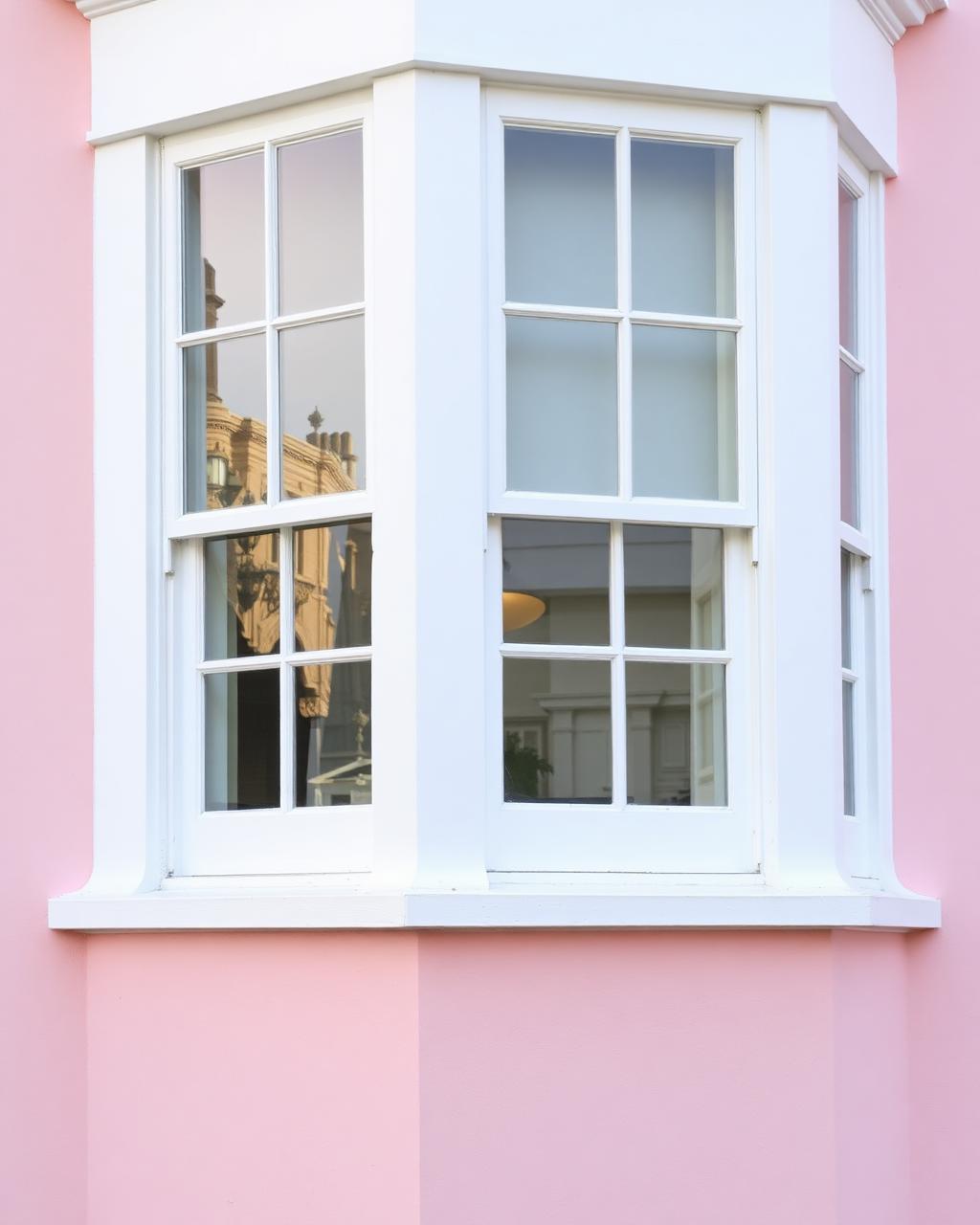
What a genuinely breathable finish looks like

Limewash and mineral silicate emulsions allow vapour to pass freely, and clay or breathable distemper-based finishes offer similar performance internally. None of them behave quite like a modern vinyl emulsion to apply, and that needs setting expectations before work starts.

  • Limewash for genuinely traditional external finishes
  • Breathable mineral emulsion for internal lime-plastered walls
  • Clay-based finishes where a softer, matt texture is wanted

Managing the transition on a mixed building

Many period properties have already had a vinyl emulsion or acrylic masonry paint applied at some point. Reverting to a breathable finish sometimes means stripping the impermeable layer first, which is a bigger job than simply repainting, and we say so up front.

How we work on this

  • We identify whether a substrate is genuinely lime-based before recommending a finish.
  • We flag where an existing impermeable coating needs addressing before breathable paint can help.
  • We provide samples so owners can see the finish before committing to a whole elevation or room.
Sample panels of breathable mineral finishes on a period plaster wall

Ask us for a sample panel of a breathable finish before deciding on a whole wall or elevation.

A breathable finish only performs properly on a genuinely lime substrate that has not already been sealed by something else.

Start your project

Planning a commercial painting or decorating project?

Speak to a Hampshire commercial decorating contractor that turns up, communicates clearly and delivers a finish that lasts.