
Defects and failures

What causes blistering in painted finishes

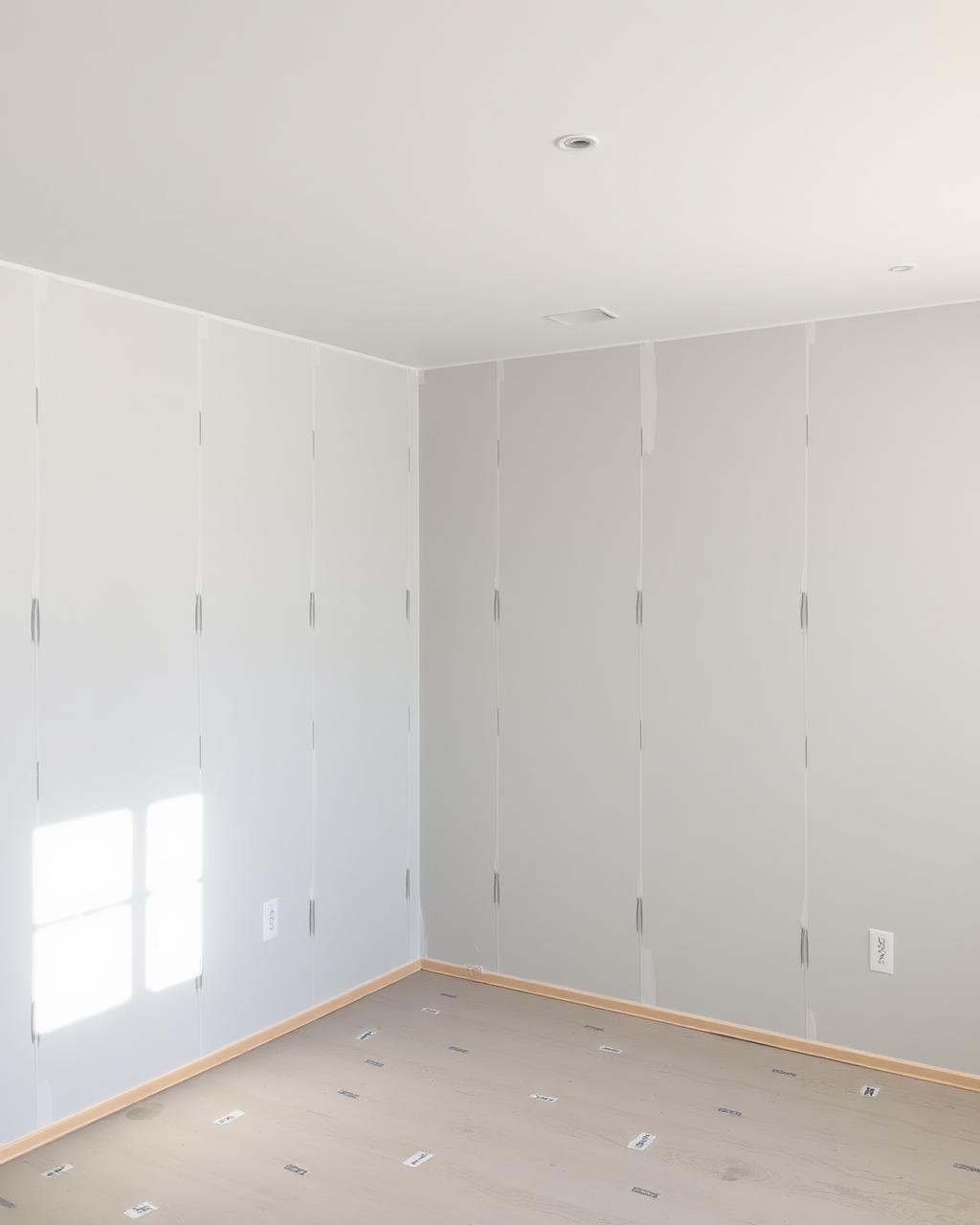
Paint film bubbling into small blisters across a rendered wall.

A blister is a pocket of gas or liquid pushing the paint film away from the surface. It looks like one problem but has two quite different causes, and getting the diagnosis wrong means the same blisters return within months of a repaint.

Moisture blistering versus solvent blistering

Moisture-driven blisters usually contain water or damp residue and appear on exterior work after rain, or on interior walls with a damp problem behind them. Solvent blistering happens during application itself, when a topcoat is applied too soon over a coat that has not fully released its solvents, trapping vapour under the new film as it skins over.
Puncture test before deciding anything

We puncture a sample blister to see what comes out. Water or a musty smell points to moisture in the substrate. A dry, empty blister with a slightly soft underside points to application timing or heat exposure during a hot spell.

  • Damp blisters traced back to the water source before recoating
  • Dry blisters checked against known application and weather conditions
  • Substrate moisture content recorded before any repaint

What we actually do about it

Every blister is opened, sanded back to sound material and re-primed individually rather than skimmed over with a fresh topcoat. On a widespread pattern we take the whole area back rather than patch-repairing a face that will keep bubbling in new places.

Questions we are asked about this

Will blisters go away on their own?

No. A blister is a permanent failure point in the film — it will eventually rupture, and the exposed edge becomes a place for water to get further in.

Can blistering happen with modern water-based paints?

Yes, particularly if a second coat is applied before the first has properly dried, or if it is applied in direct sun on a hot elevation.

Does blistering mean there is a damp problem in the wall?

Sometimes, especially on solid walls or older render. We check for that before assuming it is purely an application fault.

Decorator sanding back a blistered patch to bare render.

Send a photograph of the blistered area, ideally with one popped open, and we will talk through what it suggests.

Blisters are either trapped moisture or trapped solvent — the fix is different for each, so diagnosis comes before any repaint.

Start your project

Planning a commercial painting or decorating project?

Speak to a Hampshire commercial decorating contractor that turns up, communicates clearly and delivers a finish that lasts.