
Building a multi-year decorating budget across a rental portfolio
Landlords with more than a handful of properties usually manage decorating reactively, reacting to each tenancy change as it happens, which makes costs unpredictable and hard to forecast. A multi-year budget built around standard cycles, standard products and a genuine cost-per-void figure turns decorating from a surprise expense into a planned line item.
01Work out your real cost per void
Most landlords know their total annual decorating spend but not their cost per void, which is the figure that actually helps with budgeting as the portfolio grows. Dividing last year's total decorating spend by the number of tenancy changes gives a baseline you can apply forward, adjusted for property size and condition at handback. This figure is far more useful for forecasting next year's spend than a single portfolio-wide total, because it scales directly with however many tenancies turn over.
- Total annual decorating spend divided by number of voids
- Separate figure for full redecoration versus touch-up-only voids
- Track separately by property size band, one-bed, two-bed, three-bed plus
- Review the figure annually as material and labour costs move
02Standardise the palette across the portfolio
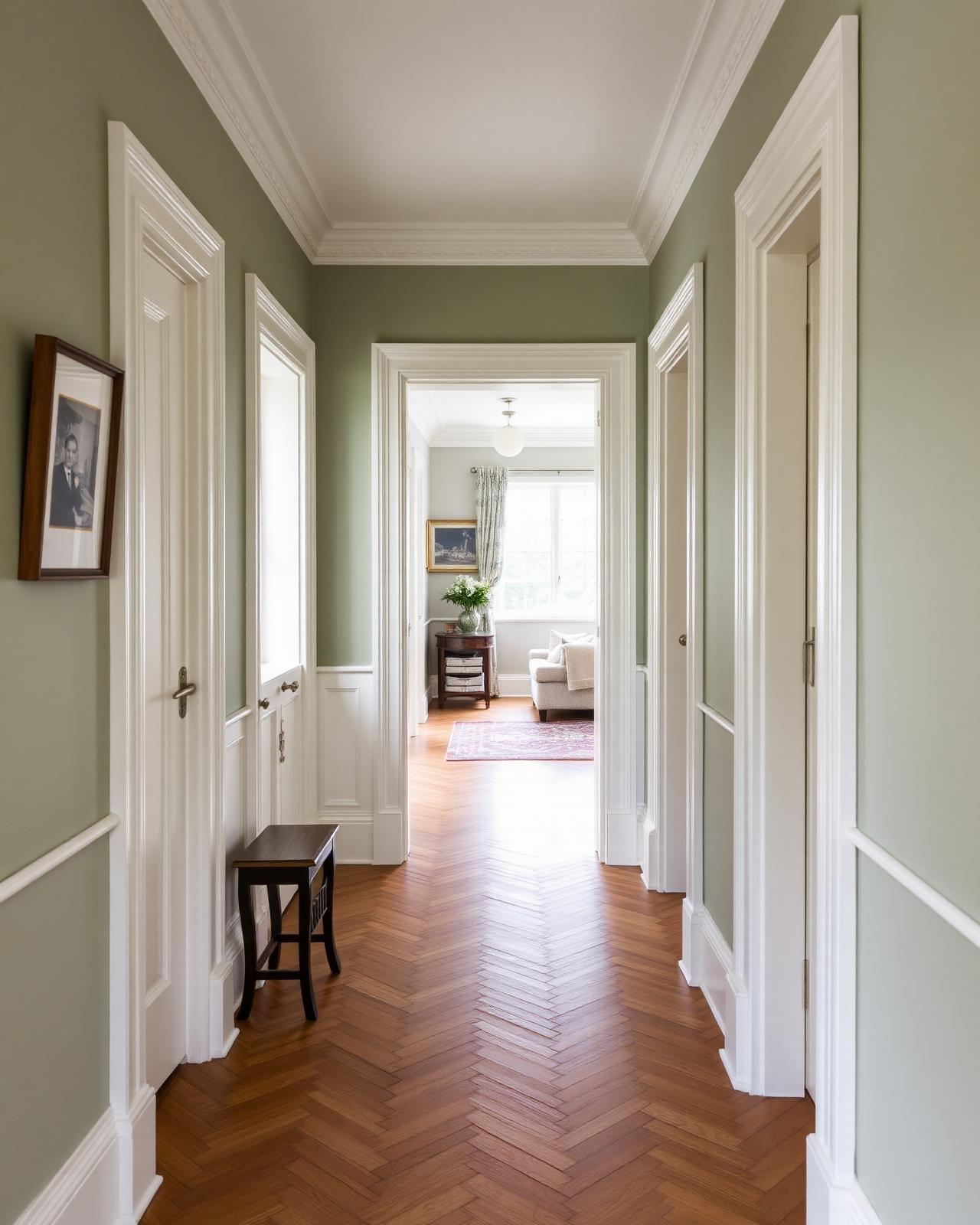
A single neutral wall colour and a single trim colour used across every property, rather than whatever the previous tenant preferred, means leftover material from one job can be used on the next, touch-ups always match, and quoting becomes quicker because there's no colour decision to make each time. This is the single change that has the biggest effect on reducing both cost and turnaround time, and it costs nothing to implement beyond agreeing the standard with your letting agents so nobody quietly reverts to a different shade.
03Batch buying and standing arrangements
Ordering paint in bulk on a standing arrangement, rather than per-job, brings the unit cost down and avoids delays waiting on deliveries between tenancies. Where a portfolio uses one standard colour, buying in larger tins across several properties at once is straightforward, and the same principle applies to sundries such as filler, masking and sundry hardware. Even a modest portfolio of a handful of properties can usually justify a standing order once the colour is fixed.
- Bulk order the standard wall and trim colours ahead of need
- Keep a stock reserve for fast touch-up jobs
- Negotiate standing pricing rather than per-job quotes
- Review stock levels each quarter against upcoming void dates
04Planned cycles versus reactive spend
A planned decorating cycle, for example a full repaint every set number of years regardless of tenancy changes, spreads cost evenly and avoids properties drifting into poor condition between full redecorations. Reactive-only spending, decorating purely when a tenant leaves, tends to concentrate cost unpredictably and can mean some properties go many years without attention if tenancies happen to be long. A blended approach, a background planned cycle topped up by reactive touch-ups, gives the most predictable annual figure for budgeting purposes.
05Setting aside a contingency for condition surprises
Even with a standard specification, some voids reveal damage beyond normal wear, damp, smoke staining or unauthorised alterations, that cost more to make good. Building a contingency percentage into the annual budget, rather than treating each of these as a one-off shock, keeps the overall forecast realistic. Reviewing which properties triggered contingency spend each year also helps flag tenants or properties that need closer attention going forward.
06Reviewing the budget annually
Material costs, minimum wage-linked labour rates and average void length all move year on year. An annual review against actual spend, rather than carrying the same figure forward indefinitely, keeps the budget credible when it's presented to investors, lenders or co-owners. Even a short annual comparison of budgeted versus actual spend by property band is usually enough to catch drift before it becomes significant, and it gives a clear basis for adjusting next year's figure with confidence.
Want a professional to handle it?
Need this done? Get a quote from Dynamic Decorating for domestic decorating.
Common questions
How do I calculate cost per void for my portfolio?
Divide your total annual decorating spend by the number of tenancy changes in the same period, ideally split by property size and whether it was a full repaint or a touch-up.
Does standardising colours actually save money?
Yes, it reduces material waste, speeds up quoting and turnaround, and means touch-ups always match without needing a fresh colour match each time.
Should I budget for planned cycles or just react to voids?
A mix works best for most portfolios: a planned full-repaint cycle every few years, topped up with reactive touch-ups between tenancies.
Can you provide standing pricing across multiple properties?
Yes, we work with several landlords and letting agents on standing arrangements covering a set specification across a portfolio.
How much contingency should I build in for unexpected damage?
This varies by portfolio and tenant profile, but building in a percentage on top of your standard cost-per-void figure avoids nasty surprises.
How often should a rental property have a full repaint?
This depends on tenant turnover and wear, but most landlords work to a multi-year cycle topped up with touch-ups between full repaints.
Related services
Covering Hampshire and the South Coast
Read next
Next step
Ask us for a portfolio decorating specification and standing price so you can build a reliable annual budget.
Request a surveyPlanning a commercial painting or decorating project?
Speak to a Hampshire commercial decorating contractor that turns up, communicates clearly and delivers a finish that lasts.