
How much does it cost to paint a house in the UK?
There is no single figure that fits every house, because condition, size and specification move the price more than postcode does. What follows is the logic behind a typical quote, so you can read one sensibly rather than chase a number that ignores your actual property.
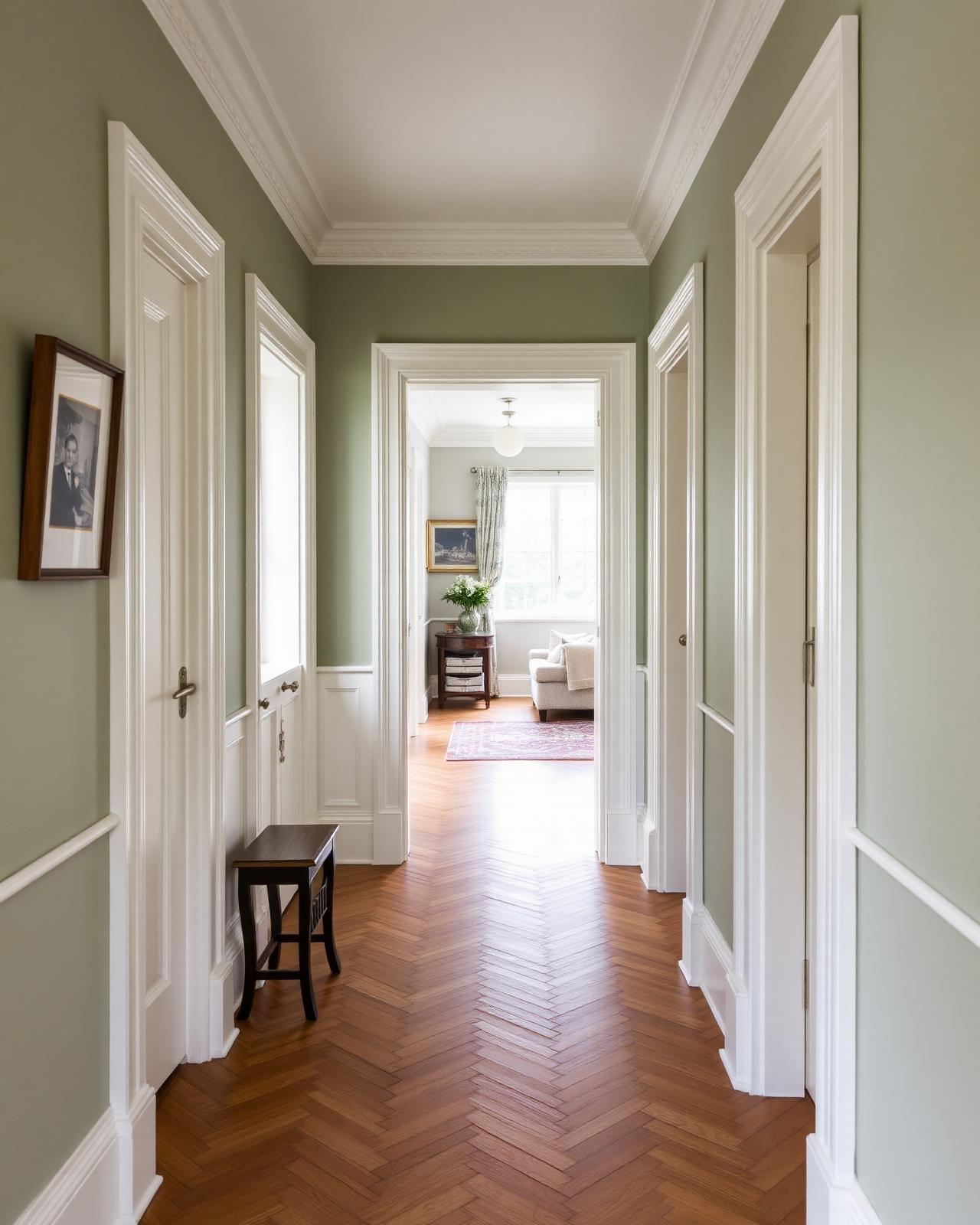
01Why a single average figure misleads
A three-bedroom semi in good decorative order and the same house with damp staining, cracked plaster and old gloss woodwork are two different jobs wearing the same description. Preparation time, not paint cost, is what separates a modest quote from an expensive one. Any figure quoted without a survey is a rough guide at best, and should be treated as indicative until someone has actually looked at the walls, ceilings and woodwork in question.
02Typical UK price ranges, treated as indicative
As a broad, indicative guide only, a single room repaint in sound condition often falls in the low hundreds, a full interior repaint of a typical three-bedroom house tends to run into the low to mid thousands, and a full interior and exterior repaint on the same house usually sits higher again once render, fascias and windows are included. These ranges move up sharply with poor substrate condition, high ceilings, or a colour change from dark to light. Always ask for a written, itemised quote rather than relying on a range like this.
- Single room repaint: typically a few hundred pounds in sound condition
- Whole house interior: typically low to mid thousands depending on size and condition
- Interior plus exterior: typically several thousand pounds including render and joinery
- Listed or period features: usually adds a premium for specialist systems
03What actually drives the price up
Preparation is the single biggest variable. Filling cracks, stripping failed coatings, treating damp staining and priming bare plaster all take time that never shows in the finished photo but always shows in the invoice. Access for high stairwells or steep roof pitches, the number of coats needed for a colour change, and whether woodwork needs full rubbing down or a light key all add hours that a quick glance at square footage will never capture.
- Condition of existing paintwork and plaster
- Number of coats required for the colour change
- Height and access, stairwells, galleries, high gables
- Amount of woodwork and how it was previously finished
- Whether wallpaper needs stripping before painting
04Room by room factors worth knowing
Kitchens and bathrooms often need moisture-resistant or wipeable finishes, which cost more per litre and sometimes need an extra coat for durability. Hallways and stairwells look small on a floor plan but carry disproportionate cost because of access equipment and high ceilings. Bedrooms and living rooms are usually the most straightforward areas, provided the walls are sound and the colour change is modest.
05What a proper survey checks
A worthwhile survey walks every room, checks plaster and substrate condition, tests for damp where staining is visible, notes woodwork condition and counts doors, windows and radiators that need cutting in around. It also confirms access requirements for stairwells and exteriors, and agrees colours and sheen levels before pricing, because a spec agreed after the quote is a common source of disputes later.
- Walk every room and note plaster and wall condition
- Check for damp staining and test where needed
- Assess woodwork condition and count fittings to cut around
- Confirm access needs for stairs, galleries and exteriors
- Agree colours and sheen levels before pricing, not after
06How to compare quotes fairly
Put two quotes side by side and check they describe the same scope: same rooms, same number of coats, same treatment of woodwork, same paint brand and range. A lower figure that skips filling cracks or only allows one coat over a colour change is not actually cheaper, it is a smaller job wearing the same label. Ask each contractor to itemise preparation separately from painting so the comparison is honest.
07Getting an accurate figure for your house
The only reliable way to get a number that means something is a site visit. Photographs and phone descriptions can give a ballpark, but plaster condition, damp and the true extent of woodwork only become clear in person. A written quote should specify rooms, coats, products and any preparation allowance so there is nothing left to interpretation once work starts.
08Interior versus exterior, and doing both together
Some households treat interior and exterior repainting as two separate decisions taken years apart, but there are genuine savings in doing both at the same time. A single site visit, one access setup for high stairwells or gable ends, and one mobilisation of dust sheets and protection all get shared across a larger job rather than paid for twice. Exterior work is also weather-dependent in a way interior work is not, so pairing an exterior repaint with an interior refresh during a settled spell of weather, then finishing interior rooms indoors if the weather turns, keeps a crew productive without losing days. If your exterior render, fascias or windows are due for attention within the next year or two anyway, it is worth asking for a combined quote rather than budgeting for two separate projects.
Want a professional to handle it?
Need this done? Get a quote from Dynamic Decorating for domestic decorating.
Common questions
Is it cheaper to paint a house myself?
Materials cost less, but poor preparation often means redoing work sooner, so professional preparation and application usually last considerably longer.
Does the paint brand affect the price much?
Yes, trade-quality paints cost more per litre than budget ranges but generally cover better and last longer, which affects long-term value more than the initial quote.
Why do two quotes for the same house differ so much?
Almost always the difference is in preparation scope or number of coats allowed, not in the painters' day rate. A quote that includes full filling, sanding and stabilising will naturally cost more than one that assumes the walls are already sound, even though both may describe the job as a full repaint.
Should I paint before or after new flooring?
Painting before new flooring goes down is usually sensible, it avoids the risk of drips or protection failures on a finished floor.
How many coats does a colour change need?
Going from a dark colour to a light one, or the reverse, often needs an extra coat compared with a like-for-like refresh.
Can I get an accurate price without a visit?
Only a rough one. An accurate, reliable figure needs someone to see the actual walls, ceilings and woodwork involved.
Related services
Covering Hampshire and the South Coast
Read next
Next step
Request a survey and we will give you a written, itemised quote based on your actual property rather than a rough average.
Request a surveyPlanning a commercial painting or decorating project?
Speak to a Hampshire commercial decorating contractor that turns up, communicates clearly and delivers a finish that lasts.