
Writing a repeatable paint specification for tenant turnarounds
A written specification, rather than a fresh decision every time a tenant leaves, is what makes void turnarounds fast and predictable. It should cover product, colour, the standard of finish expected, how touch-up stock is managed, and how the property is inspected and handed back with keys, so anyone quoting the job works from the same brief.
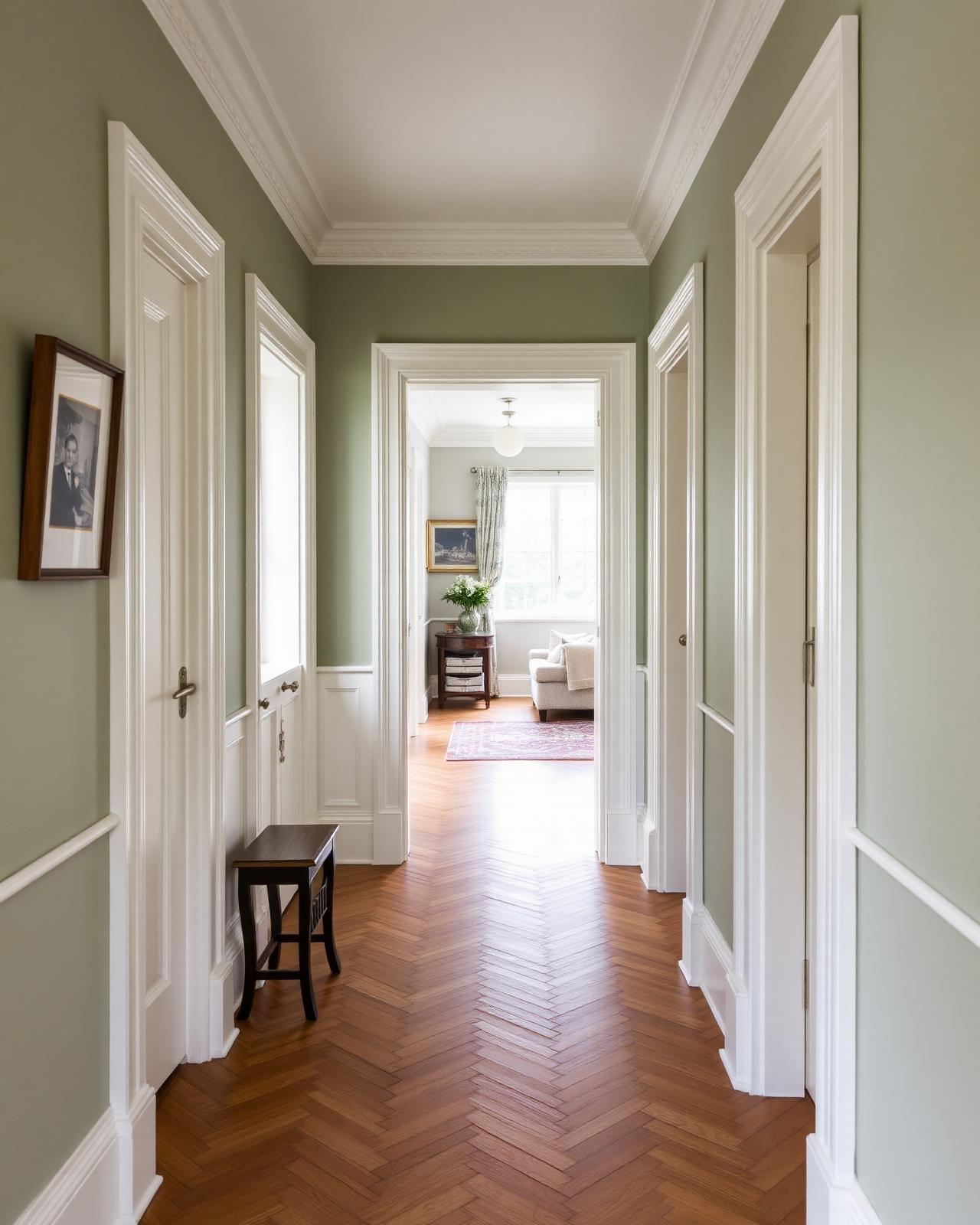
Choose products for washability, not just cost
Standard contract matt is the cheapest option per litre but burnishes and marks the first time it's wiped, which shortens the interval before the next full repaint is needed. A washable matt or durable eggshell costs more upfront but survives cleaning between tenancies far better, which usually makes it cheaper over several tenancy cycles even though the initial invoice is higher. The saving comes from fewer full repaints being needed rather than from the touch-up itself, so it only shows up if you're tracking cost per void over several years.
- Washable matt or durable eggshell for hallways, kitchens and living areas
- Standard matt acceptable in bedrooms with lower wear
- Moisture-resistant finish for bathrooms and kitchens
- Gloss or satin trim in a wipeable finish for skirtings and doors
Fix one standard colour and stick to it
A single neutral wall colour, recorded by product name and code, used across the whole portfolio, means every touch-up matches regardless of which property or which year the paint was applied. Avoid letting individual jobs drift onto a slightly different shade because it was in stock; consistency is what makes future touch-ups invisible. If a colour is ever discontinued, record the nearest match immediately rather than waiting until the next void forces the decision.
Keep a touch-up stock
Holding a small stock of the standard wall and trim colours means minor marks between full repaints can be touched up within a day rather than waiting on a fresh paint order. This is particularly useful for mid-tenancy repairs or quick fixes ahead of a viewing, where a full repaint isn't justified but a visible mark needs addressing immediately. A small stock also avoids the delay of ordering a single tin for a job that might only take an hour to complete.
- Keep at least one tin of each standard colour in reserve
- Label stock with product name, code and date of last batch
- Reorder before stock runs out, not after
- Use touch-up stock for viewings and minor mid-tenancy repairs
Set a clear inspection standard
Define what 'finished' means before work starts: no roller marks visible in daylight, no misses at edges and behind fittings, skirtings and door frames free of drips, and all sockets and fittings refitted cleanly. A written checklist, used consistently, avoids disputes between what a contractor considers complete and what a landlord or agent expects to see. It also gives letting agents a clear standard to check against at the final inspection before new tenants view the property.
Turnaround times and sequencing
A realistic turnaround time should be set against property size and condition, not an arbitrary target, and built into the void budget from the start. Decoration is usually one of the last items before cleaning and re-letting photography, so its start date needs to be fixed against the check-out date, not left open-ended. Building a few days of contingency into the void period covers the inevitable cases where check-out condition is worse than expected.
Key handling and access
Clear rules on key collection, whether from the agent, a lockbox or the outgoing tenant, and who is responsible if access is delayed, avoid a common cause of wasted contractor visits. Building this into the specification, along with a named contact for access issues, keeps the void programme on schedule. A missed key handover is one of the most common and most avoidable causes of a void running over its planned length, and it costs nothing to prevent once it's written into the standard specification.
Want a professional to handle it?
Need this done? Get a quote from Dynamic Decorating for domestic decorating.
Common questions
What paint finish should I specify for rental turnarounds?
Washable matt or durable eggshell in high-wear areas such as hallways and kitchens, with standard matt acceptable in lower-wear bedrooms.
Why does having one standard colour matter?
It means every touch-up matches regardless of when or where it's applied, and it speeds up quoting because there's no colour decision to make each time.
Should I keep paint in stock between tenancies?
Yes, a small reserve of your standard wall and trim colours allows quick touch-ups without waiting on a fresh order.
How do you define a finished job for a void turnaround?
A written inspection checklist covering roller marks, edges, fittings and skirtings, agreed in advance so there's no dispute over standard.
How is turnaround time worked out?
Against realistic property size and condition, fixed to the check-out date so decoration doesn't become the item that delays re-letting.
How does key access get organised?
This is set out in the specification, whether via the agent, a lockbox or the outgoing tenant, with a named contact if there's a delay.
Related services
Covering Hampshire and the South Coast
Read next
Next step
Ask us to draw up a written turnaround specification for your portfolio so every void is quoted and finished to the same standard.
Request a surveyPlanning a commercial painting or decorating project?
Speak to a Hampshire commercial decorating contractor that turns up, communicates clearly and delivers a finish that lasts.