
Choosing a colour scheme for a commercial space
A commercial colour scheme has to do more work than a domestic one. It carries brand identity, has to survive years of cleaning and traffic, and usually needs sign-off from several people before a brush goes near a wall. Getting the process right avoids expensive changes of mind once painting is underway.
01Start with brand, not preference
Corporate colours, signage and existing branded materials set the boundaries of the scheme. We pull exact references from brand guidelines where they exist, and match paint to them rather than the other way round. Where no formal guideline exists, we work from existing signage, furniture and flooring already committed to the space.
02Account for lighting properly
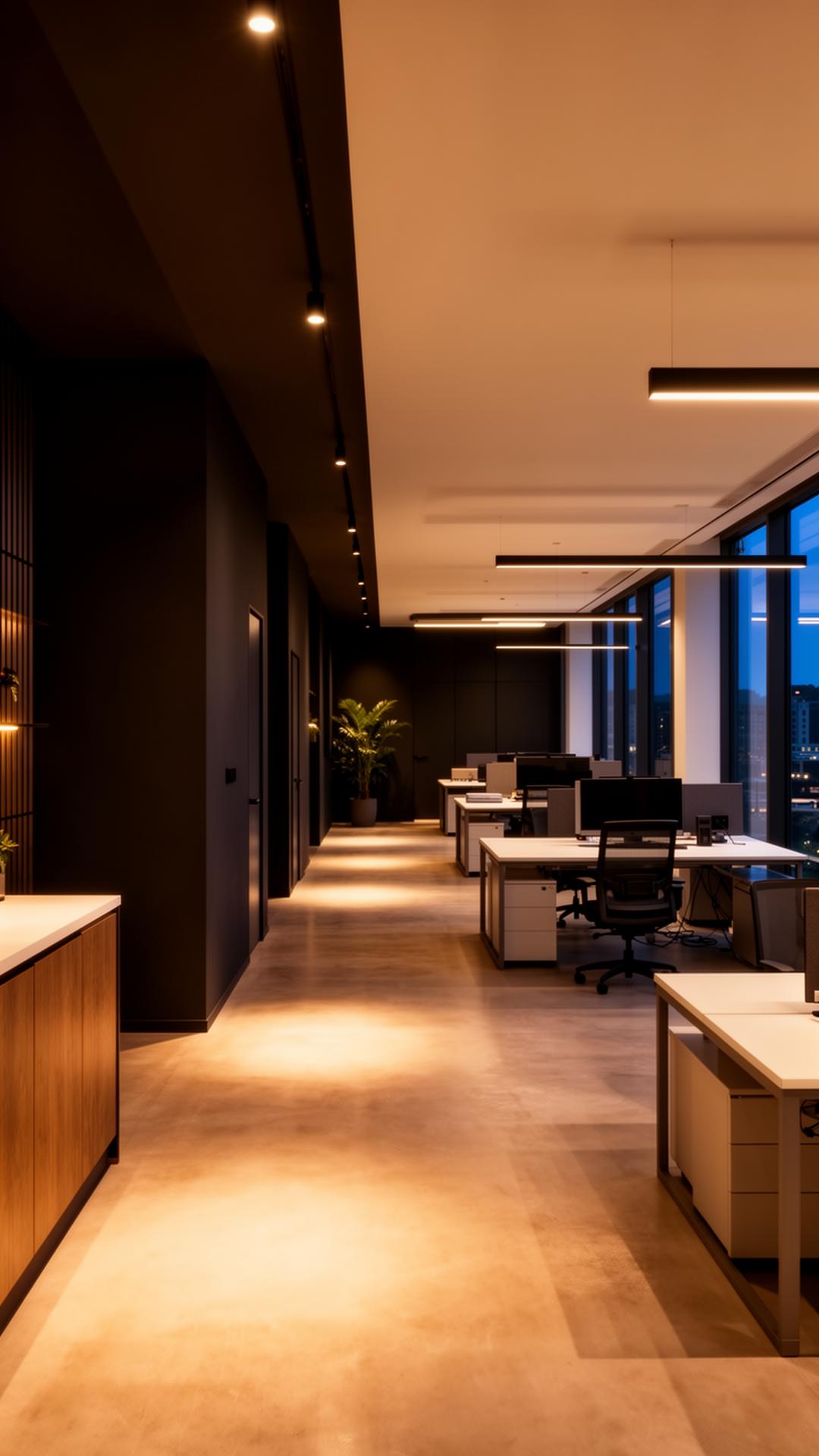
The single biggest cause of a disappointing commercial scheme is choosing colour under the wrong light. Fluorescent, LED panel and daylight all shift a colour noticeably. We always sample under the lighting the space will actually use, at different times of day where the building has significant natural light.
03Map wear zones before choosing sheen and tone
Reception areas, corridors, meeting rooms and back-of-house spaces all take different levels of contact and cleaning. A scheme should assign tone and sheen by zone rather than applying one finish everywhere.
- Reception and client-facing areas: brand colour, higher sheen for durability
- Corridors and circulation: mid-tone, scrubbable finish that hides scuffing
- Meeting rooms: calmer, lower-contrast palette to support concentration
- Back-of-house and storage: practical, cost-effective neutral
- Feature walls: reserved for genuine focal points, not applied everywhere
04Sample on site, at scale
A colour chip and a full wall read very differently. We paint sample boards or test patches directly on the substrate, in more than one location, and leave them up for a few days before any decision is locked in. This is the stage that catches problems cheaply.
05Build a spec sheet with reference codes
Once colours are agreed, we produce a written specification listing manufacturer, product, colour name and reference code for every surface and zone. This becomes the reference for future touch-ups, extensions and any second phase of work, so the scheme stays consistent years later.
- Manufacturer and product range for each finish
- Exact colour code, not just a name
- Sheen level by surface type
- Zone-by-zone application map
06Get formal sign-off before ordering
Commercial schemes usually involve facilities managers, brand teams and sometimes landlords, and each of those stakeholders can have a different priority, cost, durability, or how the scheme photographs for marketing. We circulate the spec sheet and sample photographs for written approval before ordering paint in volume, which avoids the cost of repainting a wrong colour across an entire building. It also creates a clear paper trail if opinions differ later about what was actually agreed, which happens more often than clients expect once several people have had input into a decision.
07Plan for future consistency
Keep the spec sheet on file. When a wall gets damaged or a new area is fitted out eighteen months later, matching the original colour precisely depends entirely on having the exact code recorded rather than trying to match by eye. Paint ranges get reformulated and discontinued over time, so it also helps to note a suitable alternative product at the point of specification, rather than discovering years later that the original line no longer exists.
08Budgeting realistically for a multi-zone scheme
A scheme with several zones, sheen levels and accent colours costs more in paint, labour time and cutting-in than a single flat colour applied throughout, and that difference is worth setting out clearly at the budgeting stage rather than discovering it once quotes come in. Higher-sheen finishes in reception and circulation areas typically cost more per litre than standard matt emulsion, and additional colours mean more masking, more colour changes on site, and slower progress than a single-colour repaint.
- Cost more coats or specialist paint for accent walls and feature colours
- Factor in extra masking and cutting-in time between zones
- Ask for a written breakdown of material and labour by zone
- Weigh durability gains in high-traffic areas against the extra spend
09Common mistakes worth avoiding
The most frequent problem we see is a colour chosen from a small chip or a screen, then discovered to look completely different at full scale under the building's actual lighting. Close behind that is a scheme designed by one person without sign-off from everyone who has to live with it, which leads to a repaint request midway through the job. A third common issue is failing to record the final specification anywhere, so a future contractor has to guess at colours from a faded, sun-bleached wall.
Want a professional to handle it?
Need this done? Get a quote from Dynamic Decorating for commercial decorating.
Common questions
How many colours should a commercial scheme use?
Most work well with a small core palette of two or three colours plus one accent, applied consistently by zone rather than varied room to room.
Can you match our existing brand colours exactly?
Yes, we work from Pantone or brand references where available and can colour-match closely where a formal reference doesn't exist.
How long before painting should we finalise colours?
Allow at least a couple of weeks for sampling and sign-off before your intended start date, longer if several stakeholders need to approve.
Do you provide sample boards?
We paint test areas directly on site under your actual lighting, which is more reliable than boards viewed elsewhere.
What if we want to change colour partway through?
It's possible but adds cost and time, which is exactly why we push for sign-off before ordering rather than during application.
Will you keep a record of our colours for future work?
Yes, we retain the specification sheet on file so future touch-ups or extensions match without guesswork.
Related services
Covering Hampshire and the South Coast
Read next
Next step
Ask us to run a colour sampling visit before you commit to a commercial scheme.
Request a surveyPlanning a commercial painting or decorating project?
Speak to a Hampshire commercial decorating contractor that turns up, communicates clearly and delivers a finish that lasts.