
Planning decoration within a wider office refurbishment
Decoration is rarely the only trade on an office refurbishment. When it is planned as an isolated item rather than a stage in a sequence, it gets delayed by other trades, damaged by follow-on work, or rushed at handover. A workable plan starts with a survey and a clear position in the programme, not with a date picked in isolation.
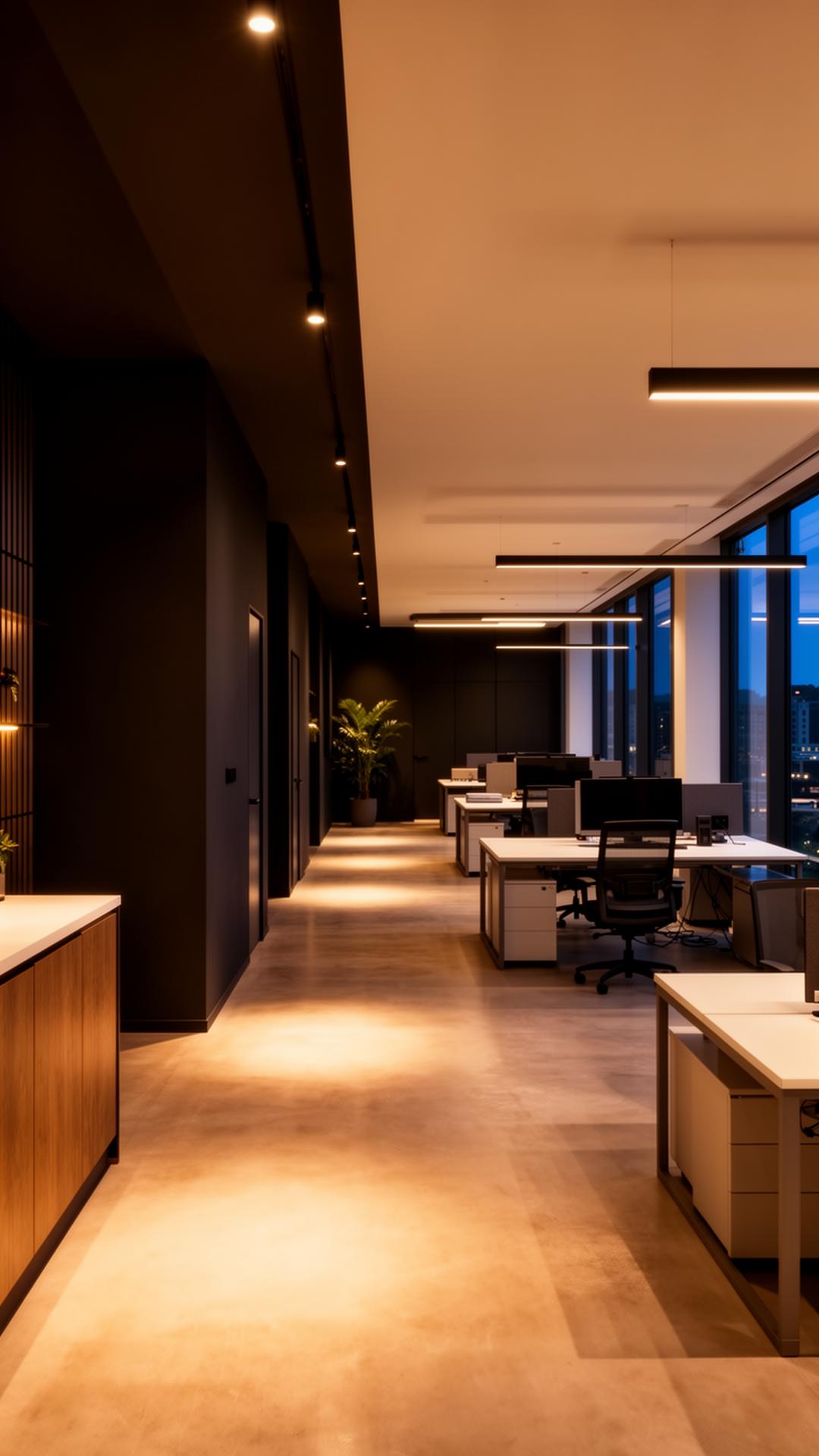
Start with a proper pre-refurbishment survey
Before any programme is fixed, we walk the space with the fit-out or M&E contractor's drawings to hand. This identifies where partitions are moving, where ceiling grids will be lifted and refitted, and where existing finishes can be retained. A survey done early avoids the common problem of decoration being priced against a floor plan that changes twice before works start.
- Confirm which walls are new build versus existing and repaired
- Check ceiling tile and grid condition against the decoration spec
- Identify areas needing extra preparation from removed fixtures
- Record existing colours where partial retention is planned
Sequencing with M&E and ceilings
Painting generally needs to happen after first fix containment, cabling and ductwork are in but before ceiling tiles are dropped in, and before final floor coverings go down. Getting this order wrong means either painting around exposed services twice or risking overspray and drips onto finished flooring. We agree a sequence with the principal contractor rather than assuming a default order, and we build in float for the inevitable slippage that happens when several trades share the same floor.
Decant and phased working
Full decant simplifies decoration but is expensive and often unnecessary. Phased working, floor by floor or zone by zone, keeps part of the business operating while other areas are stripped back. The trade-off is a longer overall programme and more protection work, since finished zones sit adjacent to ongoing works for longer. We agree which option suits the business before pricing, because the cheapest decoration quote is not always the cheapest refurbishment overall once disruption is accounted for.
- Full decant: fastest decoration, highest disruption cost
- Floor-by-floor phasing: staff relocate temporarily, business continues
- Zone phasing: works around fixed pinch points like reception or the server room
- Weekend and evening blocks: used for the noisiest or dustiest stages
First fix decoration versus final finish coats
On larger refurbishments we often apply a first fix mist coat or undercoat early, while other trades are still working overhead, and hold the final finish coat until later trades have finished their dirtiest work. This protects the finish coat from dust, drilling debris and adhesive splashes that a single-pass paint job would suffer. It costs a little more in mobilisation but saves considerably on remedial touch-up later, particularly on light colours where dust marks show clearly.
Coordinating with flooring and furniture delivery
Skirtings, door frames and lower wall sections are usually the last items painted, timed just ahead of flooring and furniture delivery. Painting these too early means they get scuffed by flooring installers; painting them too late risks paint landing on new carpet tiles or vinyl. We agree the exact trigger point with the flooring contractor, usually a day or two ahead of their install date, so nobody is waiting on the other.
The final touch up pass
A dedicated touch up visit after other trades demobilise, and again after furniture and IT installation, catches marks left by cable trays, desk assembly and equipment moves. Building this into the programme from the outset, rather than treating it as an afterthought, is what makes the finished space look genuinely complete on the day staff move back in. Two passes, one straight after trades demobilise and one after furniture and IT installation, cover the two main sources of late damage, and we log every item found so recurring problems can be fed back to the principal contractor.
- Snag walk with the project manager before staff return
- Touch up list agreed and actioned within a set number of days
- Colour references recorded for any future patch repairs
Want a professional to handle it?
Need this done? Get a quote from Dynamic Decorating for commercial decorating.
Common questions
When should decoration happen in an office refurbishment programme?
Generally after first fix M&E and before ceiling tiles and final flooring go in, with a separate final touch up pass once other trades and furniture installers have finished.
Do you need full decant to redecorate an office?
No, phased floor-by-floor or zone-by-zone working is common and keeps part of the business operating, though it extends the overall programme.
Who coordinates the sequencing with other trades?
We work directly with the principal contractor or fit-out manager to agree the order of works so painting isn't repeated or damaged by follow-on trades.
Can you apply paint before the ceiling grid goes in?
Yes, an early first fix coat is common, with the final finish coat held back until the dustiest trades are finished.
How do you protect a newly painted office during ongoing refurbishment?
Masking, floor protection and clearly agreed no-go zones for finished areas, reviewed at each site meeting.
What happens if the refurbishment programme slips?
We build contingency into the decoration dates and stay in contact with the principal contractor so our team isn't on site chasing an unfinished area.
Related services
Covering Hampshire and the South Coast
Read next
Next step
Ask for a decoration sequencing plan alongside your refurbishment survey so painting slots into the programme rather than disrupting it.
Request a surveyPlanning a commercial painting or decorating project?
Speak to a Hampshire commercial decorating contractor that turns up, communicates clearly and delivers a finish that lasts.