
Maintenance and recoat cycles

Deciding between a spot repair and a full recoat

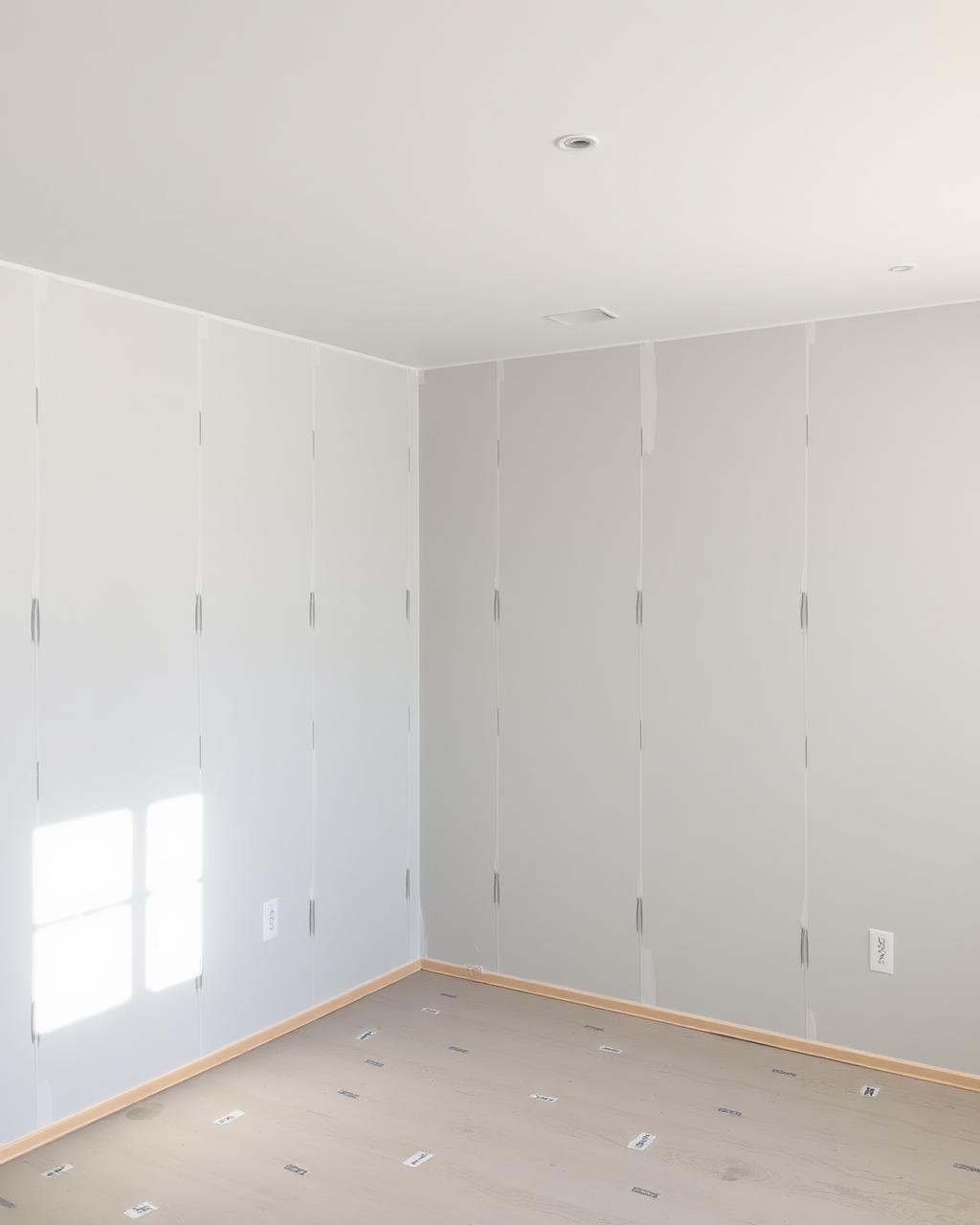
Close-up comparison of a patched wall section against surrounding original paintwork.

The temptation is always to patch the visible damage and leave the rest, because it costs less and takes less time. That is the right call more often than people assume, but only when the rest of the surface is genuinely sound. The judgement lies in checking the surrounding area, not just the obvious mark.

Signs a spot repair will hold

If the surrounding paint is still adhered firmly, not chalking or flaking, and reasonably close in colour and sheen to what a patch would look like once cured, a spot repair is a sensible and honest solution that will hold its own for a good while.

Signs the whole surface needs recoating instead

Patchy sheen across the wall, colour that has visibly faded compared with a fresh sample, multiple small areas of failure rather than one isolated mark, or a substrate issue such as rising damp affecting a wider area, all point towards a full recoat rather than repeated patching.

  • Multiple failure points rather than one isolated mark
  • Visible sheen or colour drift across the existing surface
  • A substrate problem affecting more than the damaged spot

The cost of getting the call wrong

Patching a surface that actually needs a full recoat means paying for the patch and then paying again for the recoat within a short period. Recoating a surface that only needed a patch wastes material and labour on areas that were never a problem. An honest visual and tactile check before quoting avoids both mistakes.

  • Check adhesion by hand, not just by eye
  • Compare a test patch against the surrounding colour before committing
  • Factor in how visible the area is to daily users of the space

Questions we are asked about this

Can you tell from photographs whether a repair or recoat is needed?

Photographs give a starting steer, but adhesion and sheen match are hard to judge remotely, so a site visit is usually needed before a firm recommendation.

Is a spot repair always cheaper in the long run?

Only if the surrounding surface is genuinely sound. If it fails again within months, the combined cost of repeated patching can exceed a single full recoat.

Does the visibility of the area affect the decision?

Yes. A slightly imperfect patch in a back corridor may be acceptable where the same patch in a reception area would look out of place against surrounding fresh paintwork.

Decorator testing paint adhesion by hand on a damaged section of wall before deciding on repair scope.

Send close-up photographs of the damaged area and the surrounding wall and we will advise honestly which route suits.

The right call between a patch and a full recoat depends on the condition of the surrounding surface, not just the visible mark.

Start your project

Planning a commercial painting or decorating project?

Speak to a Hampshire commercial decorating contractor that turns up, communicates clearly and delivers a finish that lasts.