
Defects and failures

Why dark colours are so hard to cover fully

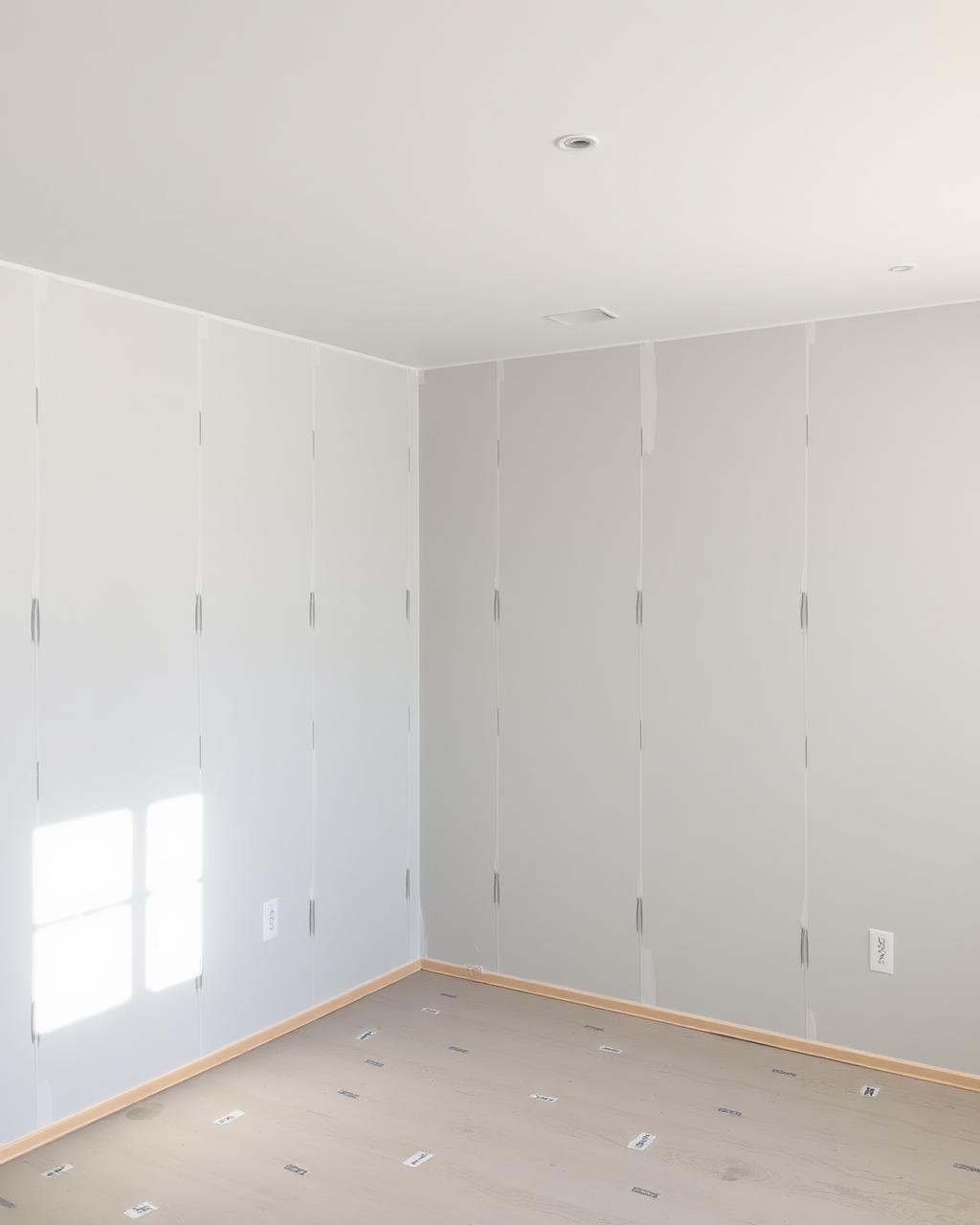
Dark navy wall showing patchy pale undercoat still visible through a lighter topcoat.

Repainting a strongly coloured or dark wall in a lighter shade is one of the situations where coverage expectations most often go wrong. The pigments used to achieve deep, saturated colours are formulated for opacity going on, not for being covered over, and that asymmetry catches a lot of people out.

Why coverage is not symmetrical

A deep base paint contains a high concentration of tinting pigment designed to give strong opacity in its own right. Covering that with a lighter colour means the new paint's pigment has to physically overpower a colour that was engineered to dominate, which a standard two-coat system was never designed to do unaided.
What actually improves coverage

A dedicated stain-blocking or high-opacity undercoat tinted towards the new colour, rather than left white, gives the topcoats a realistic base to work from and usually reduces the total number of coats needed rather than adding to them.

  • Undercoat tinted towards the finish colour rather than plain white
  • Full drying time allowed between coats rather than recoating too soon
  • Test area checked under both natural and artificial light before committing

Setting expectations honestly before starting

We tell clients up front, based on the specific colour change involved, roughly how many coats a job like this realistically needs, rather than quoting a standard two-coat price and then finding a third or fourth coat necessary partway through.

Questions we are asked about this

Can a tinted primer really make that much difference?

Yes, considerably. A primer tinted close to the finish colour does much of the opacity work that would otherwise fall entirely on the topcoats.

Is it cheaper to use more thin coats or fewer thick ones?

More thin, properly dried coats generally give better and more even coverage than fewer thick ones, which risk sagging and uneven drying.

Why did the paint look fine wet but show through once dry?

Wet film often looks more opaque than the dried result, since paint changes appearance as it cures — this is a common reason coverage gets underestimated during application.

Sample board comparing tinted and plain white undercoat coverage over a dark base.

Tell us the current colour and the target colour and we will estimate the coats a change like that typically needs.

Poor opacity over dark colours is a pigment and preparation issue, and a properly tinted undercoat usually solves it faster than extra topcoats.

Start your project

Planning a commercial painting or decorating project?

Speak to a Hampshire commercial decorating contractor that turns up, communicates clearly and delivers a finish that lasts.