
Homes and private clients

Pets and paint drying times during decorating

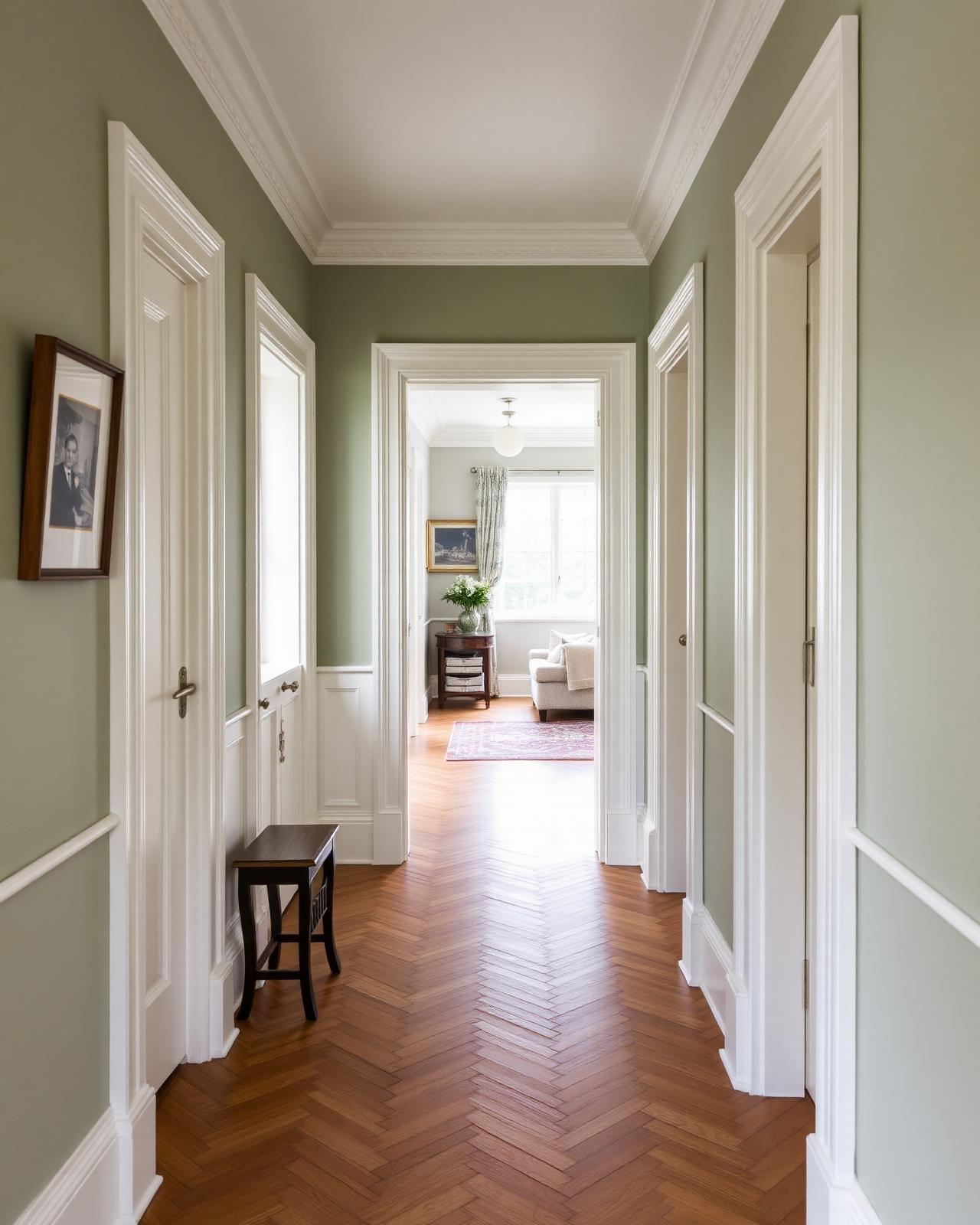
Closed door with a wet paint sign during a home decorating project

Cats investigate wet skirtings, dogs brush past drying doors, and both can turn a careful finish into a smudged one within seconds if a room is not managed properly. Beyond the mess, some pets are also more sensitive to fresh paint smell than people are, so ventilation and access both need a realistic plan.

Touch-dry is not the same as fully cured

A wall or door can feel dry to a hand within a few hours while the coating is still soft enough to mark under a cat's claws or a dog's tail for considerably longer. We give a realistic timeframe for when a room is genuinely safe for pets to be back in, not just the touch-dry time printed on a tin.
Keeping animals out of a room during and after painting

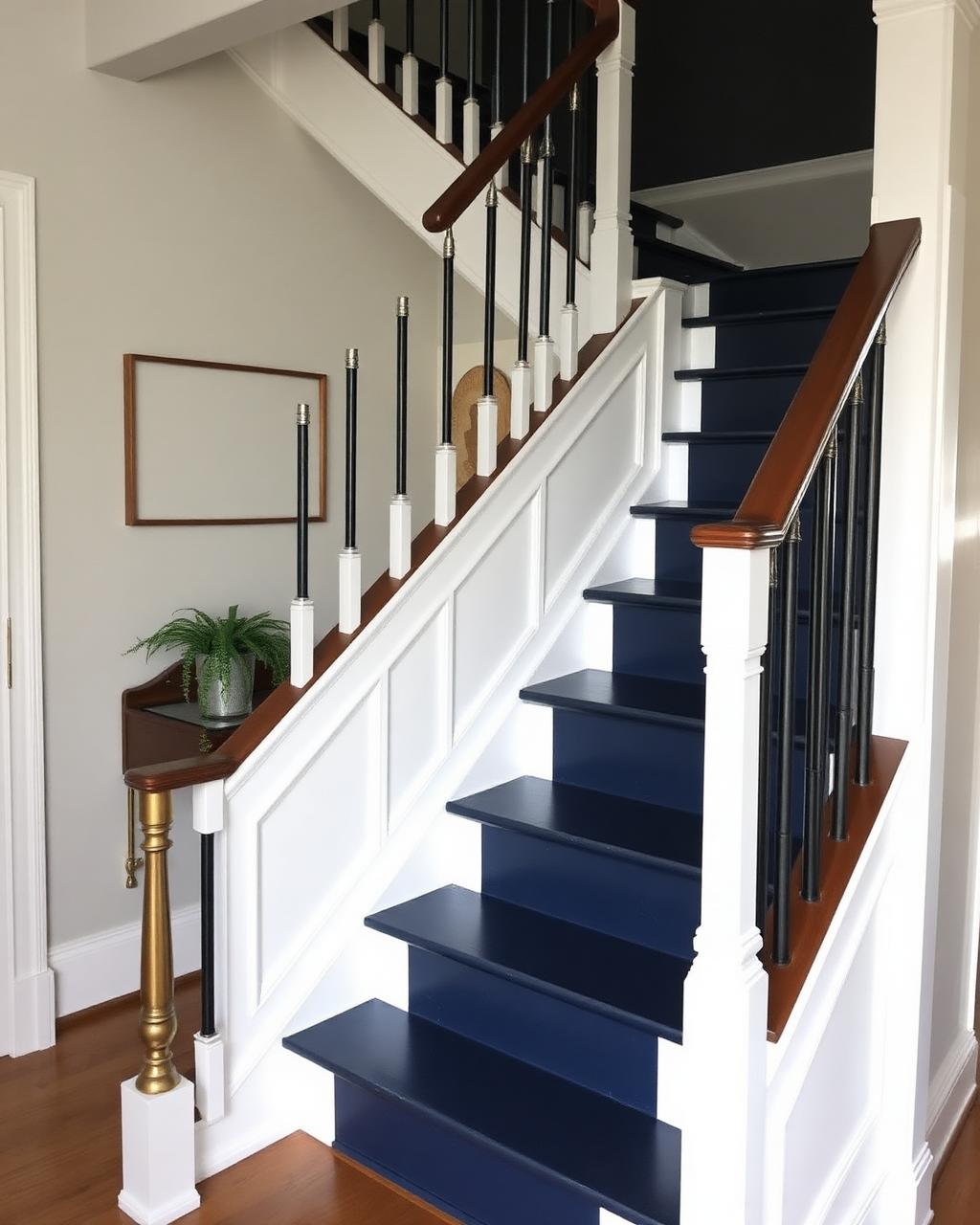
The simplest solution is usually the most effective one: a closed door and a clear sign for the household, agreed before work starts rather than assumed. Where a room cannot be closed off completely, we discuss temporary barriers or timing the work for when pets are elsewhere, such as during a walk or at a sitter's.

  • Doors kept closed and clearly marked during and after painting
  • Temporary barriers discussed for rooms without a door to close
  • Work timed around dog walks or pet-sitting where genuinely helpful

Smell sensitivity and ventilation for animals in the house

Some pets, particularly birds and small caged animals, are considerably more sensitive to fumes than people or dogs are, and low-VOC paint reduces but does not eliminate this. Where sensitive pets are in the house, we recommend moving them to a different part of the property during application and initial drying, and ventilating thoroughly afterwards.

  • Sensitive pets, particularly birds, moved away from the work area during application
  • Rooms ventilated thoroughly once painting is finished, not just left to sit
  • Low-VOC products recommended as standard where pets are in the house

Questions we are asked about this

How long should we keep pets out of a freshly painted room?

Longer than the touch-dry time on the tin suggests, since a coating can still mark under a claw or a brushing tail while it feels dry to a human hand. We give a realistic timeframe for the specific product used.

Is paint fume dangerous to birds or small pets?

Birds in particular are more sensitive to airborne fumes than people are, so we recommend moving them well away from the work area during painting and ventilating thoroughly once it is finished.

Can you paint around our dog if it cannot be kept out of a room?

We would rather agree a plan to keep the room closed off or time the work around when the dog is out of the house, since even a well-behaved dog can smudge a finish or pick up paint on its coat.

Ventilated room with windows open after painting was completed near household pets

Tell us which pets are in the household and we will plan access and drying times around them from the start.

Keeping pets away from wet paint is about realistic drying time and a closed door, agreed before work begins.

Start your project

Planning a commercial painting or decorating project?

Speak to a Hampshire commercial decorating contractor that turns up, communicates clearly and delivers a finish that lasts.