
Colour, sheen and finish

How to sample a colour so it actually tells you something

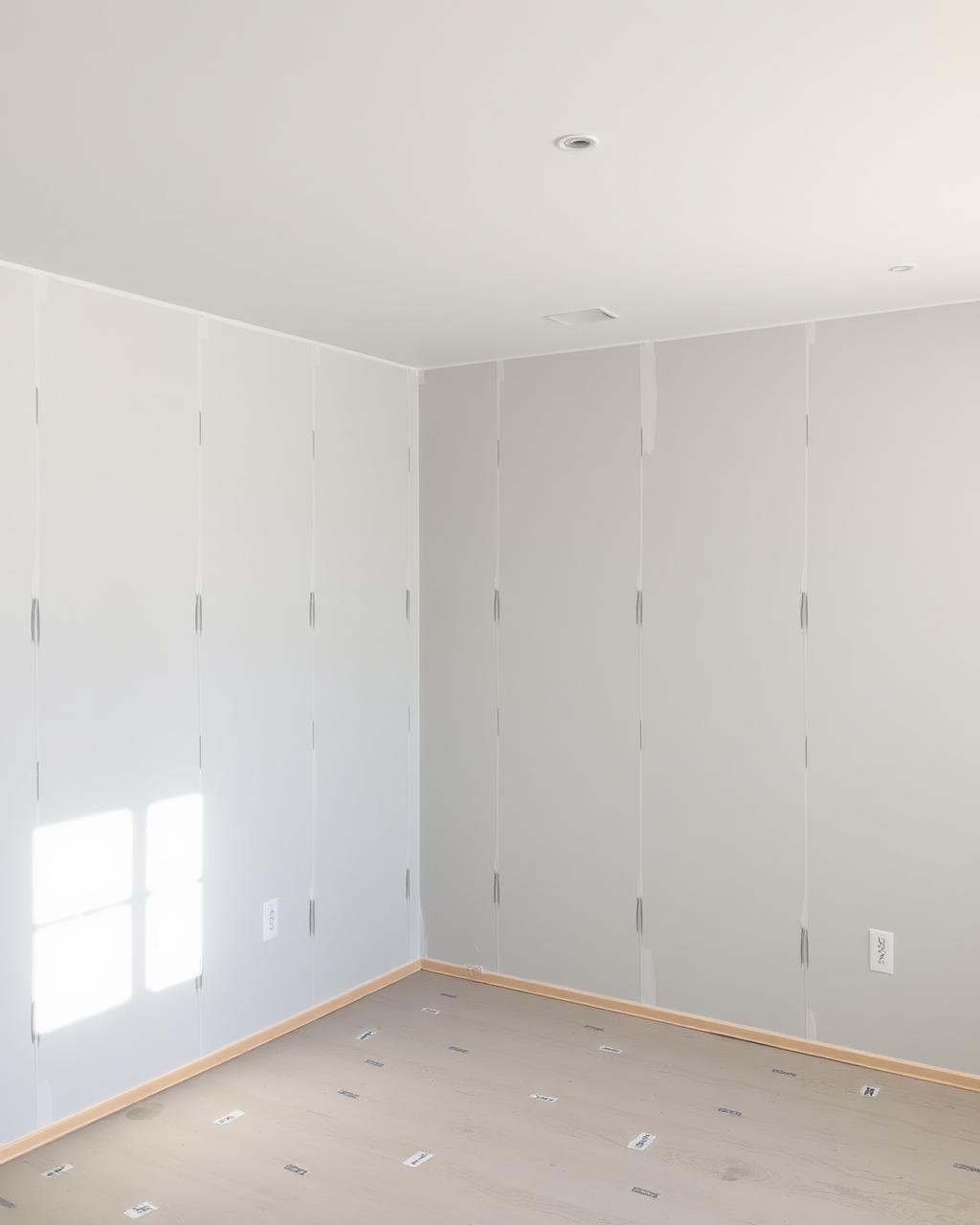
A large painted sample patch on a living room wall next to natural daylight from a window

Most disappointing colour choices trace back to a poor sample: a tiny patch, one coat, on one wall, checked once in passing. Sampling properly takes a little longer but removes almost all of the guesswork before a whole room is committed to a colour.

Questions we are asked about this

Is it worth buying several sample pots?

Yes if the choice is close between two or three shades — the cost of a few tester pots is small compared with repainting an entire room because the wrong one was chosen.

How long should I leave a sample before deciding?

A few days is a reasonable minimum, long enough to see it in different weather and different times of day rather than a single sunny afternoon.

Do sample pots match the full-size tin exactly?

They should if from the same batch process, but it is still worth checking the finish coat against the sample once the first proper coat goes on, in case anything has shifted.

Size and placement matter more than people expect

A sample smaller than roughly half a metre square is hard to judge honestly, because the eye reads it against the surrounding wall colour rather than as a standalone shade. Painting onto board and moving it around the room, or painting a large patch on more than one wall, gives a fairer picture than a single small square.

  • Use a patch at least 500mm square wherever possible
  • Sample on more than one wall, including one that gets least light
  • Move a sample board to corners and near the window to compare
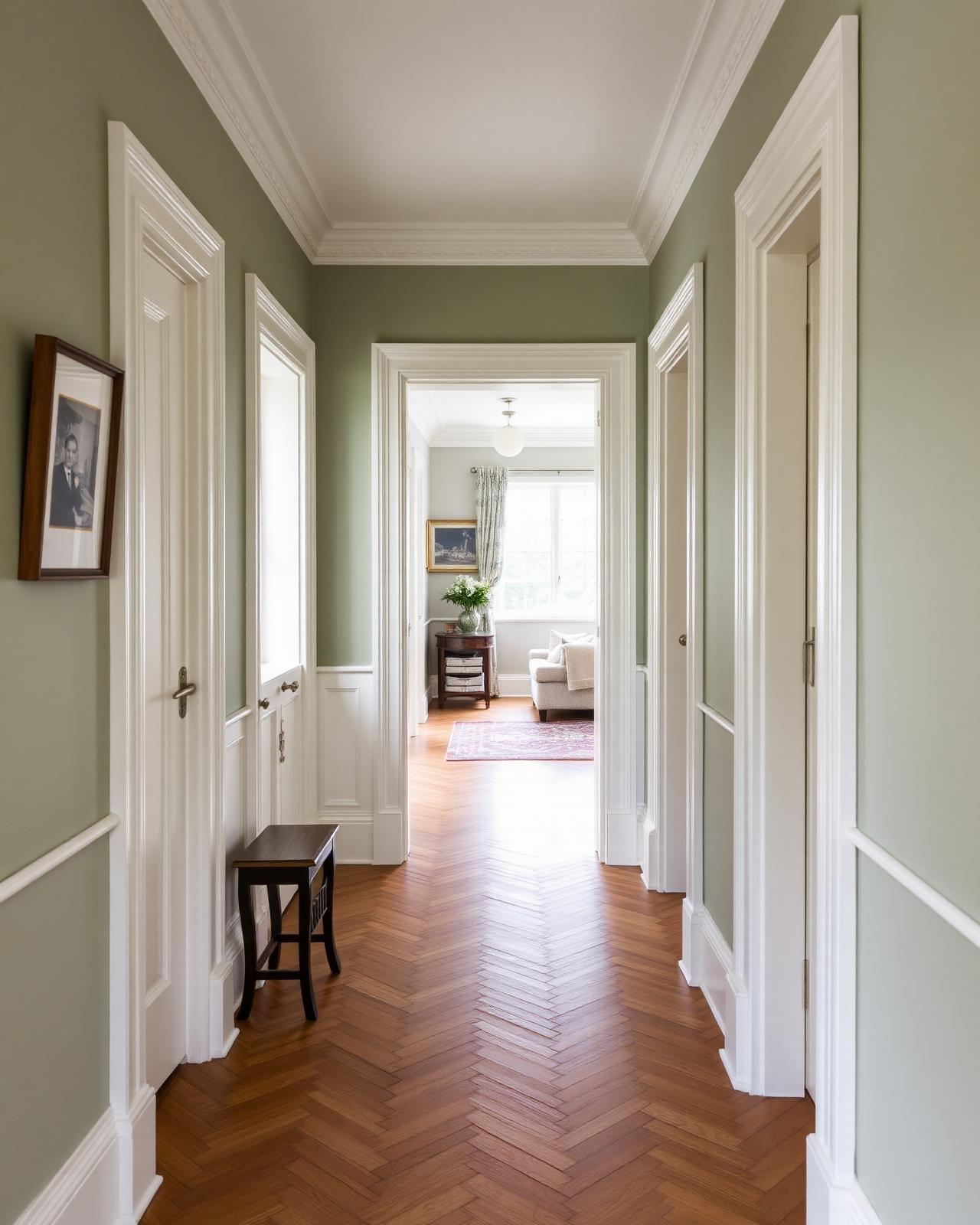
Several small tester pots of paint lined up beside a paintbrush on a dust sheet

Two coats, not one, and the right sheen

A single coat of sample paint rarely matches the depth of colour a finished wall will show, and sampling in the wrong sheen can mislead entirely, since gloss and matt versions of the same colour name can look surprisingly different once light hits them.

Judging it over time, not on the spot

Paint colour changes appearance across the day as daylight moves, and again once artificial lights come on in the evening. Living with a sample for several days rather than deciding within the hour catches problems that a first glance misses, particularly with colours that look fine in the afternoon and flat by evening.

  • Check the sample morning, afternoon and after dark
  • View it from where you actually sit or stand in the room
  • Compare it against existing flooring, furniture and trim colours

What to do when the room has already changed hands

On a refurbishment, existing flooring or furniture may leave before decoration finishes, so it is worth sampling against whatever will genuinely remain in the room rather than judging the colour in an empty, unfurnished space that will not represent the final look.

How we work on this

  • We paint large sample patches on more than one wall before ordering full-size paint
  • We check samples in daylight and evening light before recommending a final colour
  • We match sample sheen to the intended finish sheen, not just the colour name

Ask us to prepare and paint sample patches on site before you commit to a full order of paint.

A proper sample is large, in the right sheen, viewed over several days and in real light — anything smaller is a guess.

Start your project

Planning a commercial painting or decorating project?

Speak to a Hampshire commercial decorating contractor that turns up, communicates clearly and delivers a finish that lasts.