
Application and spraying

Deciding whether airless spray suits the job

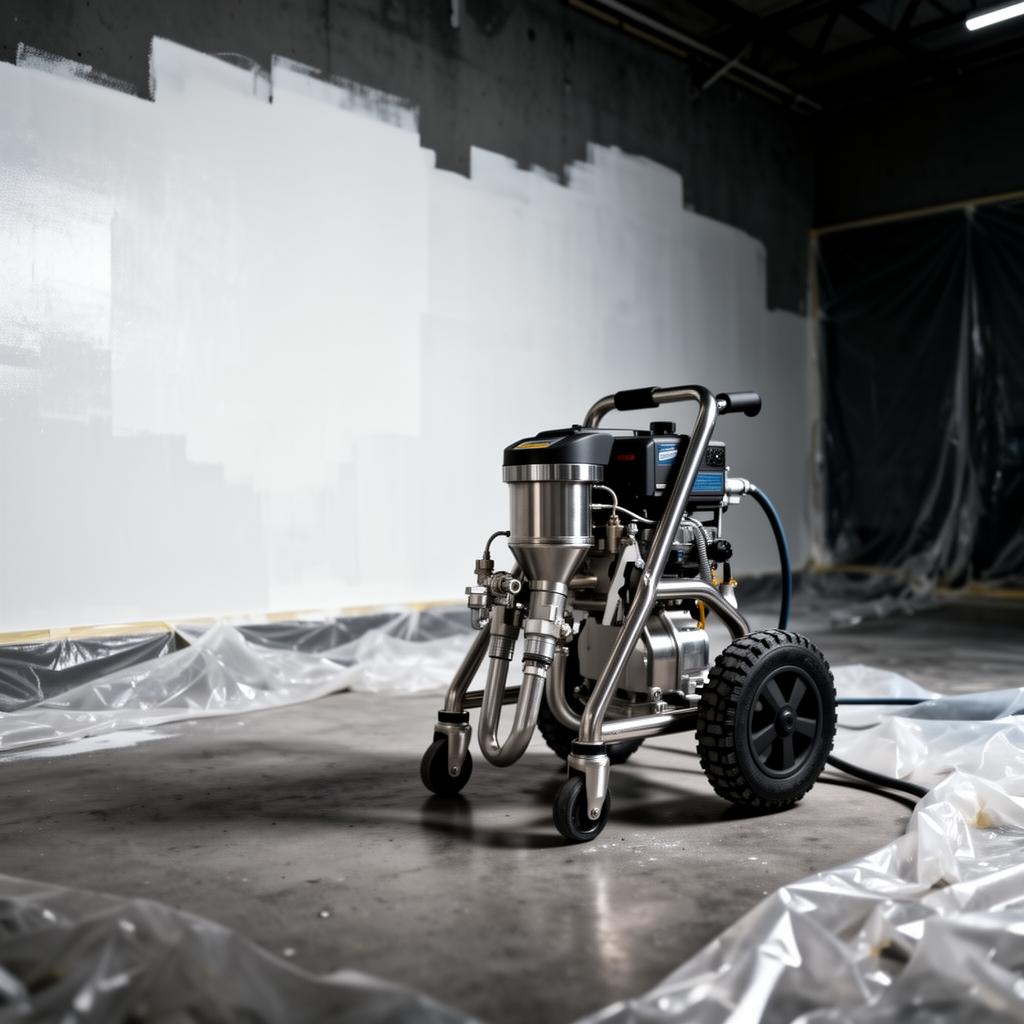
Airless pumps push paint at high pressure through a small tip, and the appeal is speed over large or rough areas. That speed only pays off once the masking, containment and cleaning are accounted for, so the decision is really about area, texture and who else is using the building that day.

Airless spray gun applying paint to a long render elevation with even coverage.

Where the pump does genuine work

Airless comes into its own on masonry, render, soffits, corridor ceilings and any run of wall long enough that a roller would take three times as long. The high build coats textured surfaces evenly where a roller would bridge some hollows and miss others, and one pass often replaces two roller coats on porous render.

  • Long unbroken wall or ceiling runs with few penetrations
  • Textured render, pebbledash or block finishes
  • Repaint cycles where speed reduces occupied downtime
Where it stops paying off

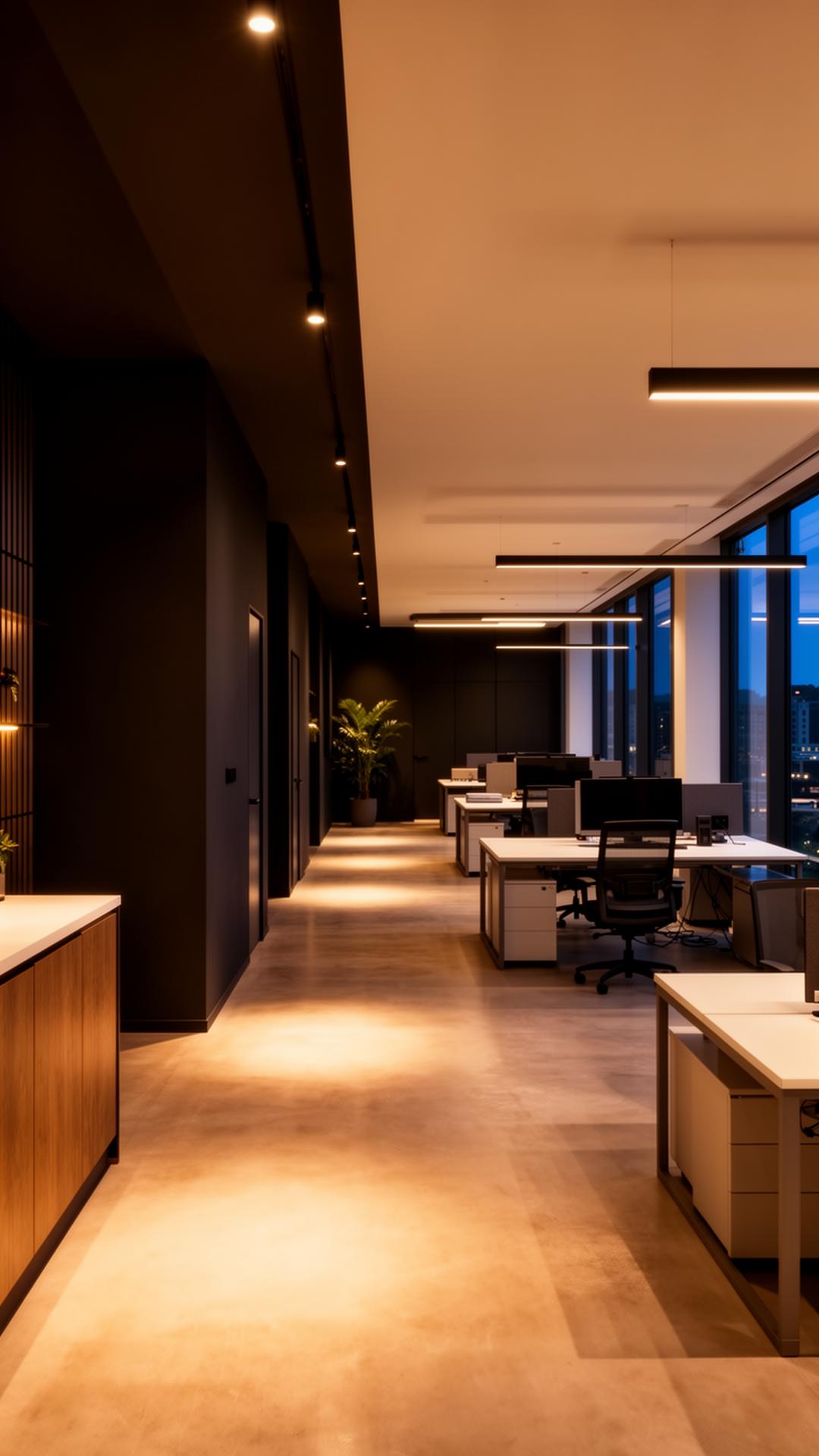
Small rooms with a lot of trim, fitted furniture or fiddly reveals cost more in masking time than the spray gun saves. On a domestic bedroom with a picture rail, cornice, two windows and a radiator, a competent brush and roller crew will often finish before the spray masking is even complete.

Tip size and pressure are not guesswork

Tip selection depends on the coating viscosity and the substrate, not habit. Too fine a tip on a high-build masonry product blocks constantly; too coarse a tip on a fine finish wastes material and produces a heavier film than specified. We match tip and pressure to the product data sheet before the first pass, not after the first blockage.

  • Fan width set to the working height, not left at a default
  • Pressure raised only until atomisation is even, no further
  • Filters checked between coats on anything with body

The setup cost is real and worth pricing separately

Hoses, containment sheeting, extraction where needed and the strip-down afterwards all take time that a brush job does not carry. We price the setup as its own line so a client can see why a small area sprayed sometimes costs more than the same area brushed, and choose accordingly.

How we work on this

  • We select tip size and pressure from the coating data sheet before starting, not by trial and error on the wall.
  • We price masking and containment as a visible line so the true cost of spraying is clear before work starts.
  • We test spray adhesion and film build on a discreet area before committing the whole elevation.

Questions we are asked about this

Is airless spraying always faster than rolling?

Only once the area is large enough to absorb the masking time. On big elevations or ceilings it wins comfortably; on small cut-up rooms a roller often finishes sooner overall.

Does spraying use more paint than rolling?

Slightly, because of overspray loss, but the even film usually means fewer coats are needed on textured surfaces, which can offset the extra material used.

Can airless spray be used indoors?

Yes, with proper masking, extraction where the space needs it, and a plan for anyone still in the building. We assess ventilation and access before agreeing it is the right method.

Masking sheeting taped along a skirting board ahead of spray application.

Send photographs of the area and we will tell you honestly whether spray or roller suits it better.

Airless spray earns its setup cost on large or textured areas; on small cut-up rooms a roller is often quicker overall.

Start your project

Planning a commercial painting or decorating project?

Speak to a Hampshire commercial decorating contractor that turns up, communicates clearly and delivers a finish that lasts.