
Vinyl wrap kitchen doors peeling: respray or rewrap?
A lifting corner on a kitchen door is not just a colour problem. The decorative film has separated from the surface beneath it, and painting over that loose layer will not make it secure. Before choosing between a kitchen respray and a new vinyl wrap, establish whether the film alone has failed or whether the door underneath has also been damaged. That distinction decides whether keeping the existing doors is worthwhile.
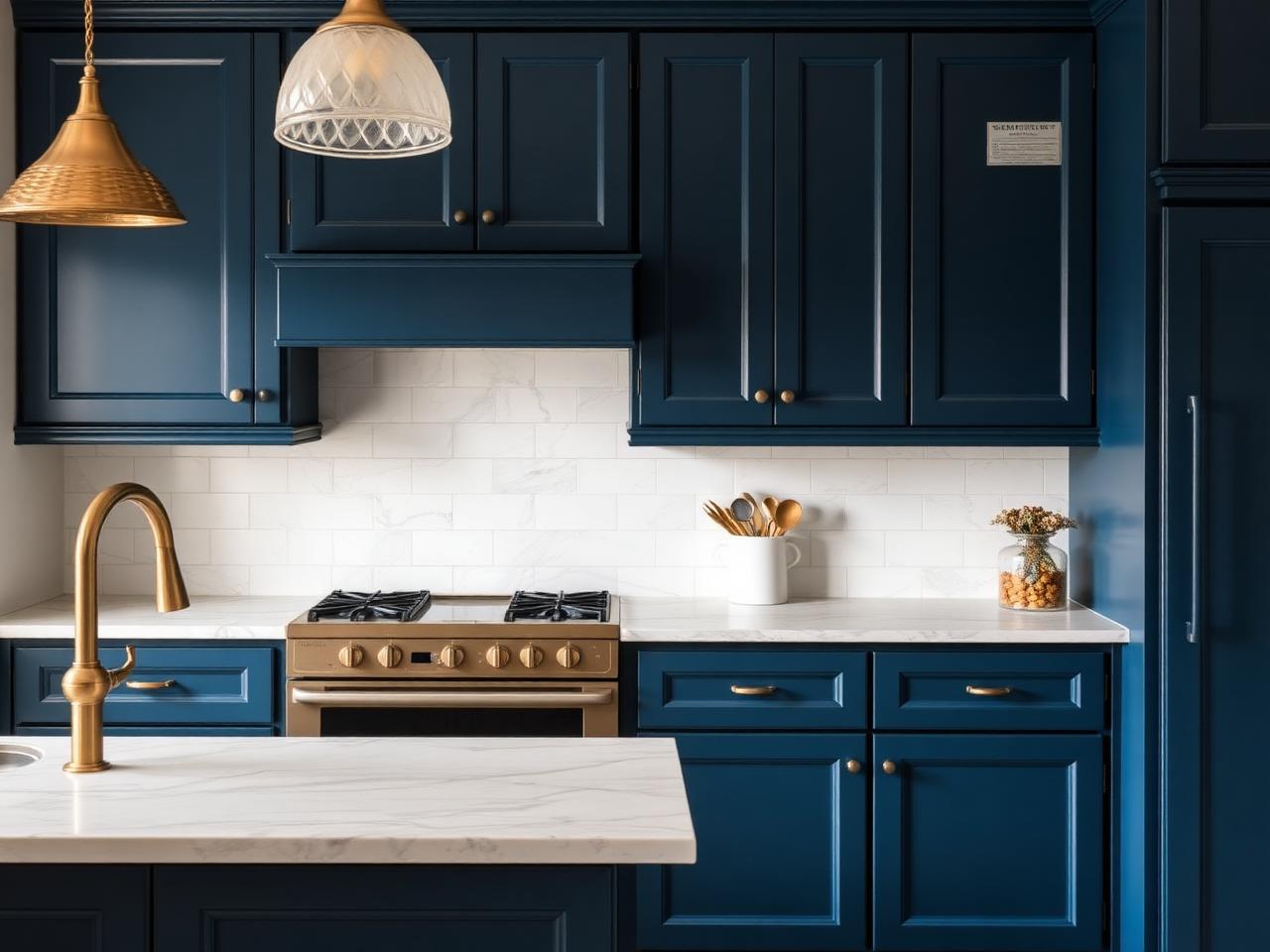
First check what is actually peeling
A vinyl-wrapped door has a decorative film bonded around a shaped or flat panel. It differs from a painted door whose coating is chipping. Look at a lifting edge without pulling it further: is there a flexible sheet separating from the face, or small flakes of paint? Photograph the front, edge and reverse, including any changes around handles and appliance-facing sides. Compare several doors, not just the worst one. A localised failure and widespread lifting need different assessments, and the remaining intact doors may have a different surface condition from the visibly damaged panel.
Look for heat and moisture before choosing a finish
Doors beside cooking appliances and areas exposed to steam or splashes deserve particular attention. Heat, moisture and ageing adhesive can contribute to film separation, but position alone does not prove the cause. Check appliance clearances and the manufacturer's installation guidance, and resolve leaks or persistent wetting before refinishing. Around sinks, inspect edges for swelling, softened board or a distorted profile. A coating can change appearance; it cannot reverse water damage inside MDF. If the same damaging conditions remain, replacing the decorative surface alone may leave the underlying problem unresolved.
Why painting straight over loose wrap fails
Primer sticks to the surface it touches, not through it to the door beneath. If that surface is a lifting film, the new paint travels with it when it separates. Loose wrap needs removal to a stable base, with the condition of the exposed board and any remaining adhesive assessed before a coating system is chosen. Do not use a heat gun or aggressive sanding as a universal removal method: the film, adhesive and panel can react differently, and damage to a shaped edge may be difficult to repair. A professional assessment should establish a controlled preparation method for the particular door.
When the existing doors may suit a respray
Sound, dry, stable doors with secure joints and serviceable hinges may be candidates for refinishing once the failed surface has been dealt with. The exposed substrate needs checking for smoothness, contamination and compatibility with the proposed primer and lacquer. Intact laminate or film also needs a specifically compatible coating system rather than an assumption that any primer will bond. Sample preparation and an inconspicuous adhesion assessment can help define the approach. Our kitchen cabinet spraying service uses hand-sprayed two-pack lacquer and bespoke colour matching; suitability comes before colour selection, and a coating is not a structural repair.
Respray, rewrap or replace: compare the whole package
A respray creates a painted finish on a prepared surface. Rewrapping applies a new decorative film with its own adhesive and edge details. Both depend on a suitable underlying door and correct preparation; neither should be chosen simply to hide swollen board. Replacement may be the practical option for damaged panels, while sound carcasses can sometimes stay. Compare whether quotes include removal of failed material, preparation, edges, internal faces, handles and reinstatement. A low headline figure that omits those steps is not a like-for-like comparison. Agree how a replacement door, if required, will match the remaining kitchen.
Colour change and the rest of the kitchen
Decide whether the project is a repair to a few doors or a coordinated change across doors, drawer fronts, end panels and the island. A newly finished door beside an ageing surface can make the difference more visible, even when the colour name matches. View samples under the kitchen's lighting and next to the worktop, flooring and splashback. Confirm the sheen as well as the shade. Bespoke colour matching helps define the intended result, but the preparation and condition of the surface still determine the finish. Include exposed edges and fixed panels in the discussion rather than treating doors as the whole kitchen.
Different peeling problems need different advice
Peeling paint on a bathroom wall is a coating and moisture problem, not a vinyl-door repair. Likewise, hanging commercial vinyl wallcovering involves a wall substrate and a different adhesive specification. Those topics should not dictate how a kitchen door is prepared. Use our bathroom peeling-paint guide if condensation or wall paint is the problem, and keep the kitchen assessment focused on the film, adhesive and panel. This prevents a useful diagnosis being replaced by a generic instruction to sand everything and add another coat, regardless of what is actually failing.
What to send with a kitchen enquiry
Send overall kitchen photographs and close-ups showing lifted edges, appliance positions and any swelling. Include the number of doors and drawers, your preferred colour and whether the fixed panels should change too. Explain whether handles are staying and identify any known door material. Kitchen spraying is typically a 3-5 working day process, with full removal, masking and reassembly; the preparation needed for failed wrap should be discussed as part of the assessment rather than assumed to fit every kitchen. Ask for a defined quotation through our kitchen cabinet refinishing service before committing to a respray or ordering replacement fronts.
Want a professional to handle it?
Need this done? Get a quote from Dynamic Decorating for kitchen cabinet refinishing.
Common questions
Can you paint kitchen doors while the vinyl is peeling?
Not over loose film. The unstable surface needs dealing with first, then the exposed panel and proposed coating system must be assessed for suitability.
Does all the vinyl have to come off before respraying?
The preparation depends on the extent of failure, remaining adhesion and compatibility of the proposed system. Loose film cannot stay as the base for new paint; assess the whole door before deciding the method.
Will a respray repair swollen MDF kitchen doors?
No. A coating does not reverse swelling, restore lost strength or straighten a distorted panel. Damaged doors may need repair or replacement before a colour change.
Is rewrapping always better than spraying?
No. Both require a suitable door and correct preparation. Compare the finish you want, the door's condition and the complete preparation and reinstatement package.
Where can I enquire about kitchen cabinet spraying?
Use our kitchen cabinet refinishing service to discuss photographs, condition, colour and the preparation required, or contact us for a quote.
Related services
Covering Hampshire and the South Coast
Read next
Next step
For a sound kitchen worth keeping, discuss door condition and preparation through our kitchen cabinet spraying service. Send photographs of the lifting film and the whole kitchen so the quote addresses the cause as well as the colour change.
Request a surveyPlanning a commercial painting or decorating project?
Speak to a Hampshire commercial decorating contractor that turns up, communicates clearly and delivers a finish that lasts.