
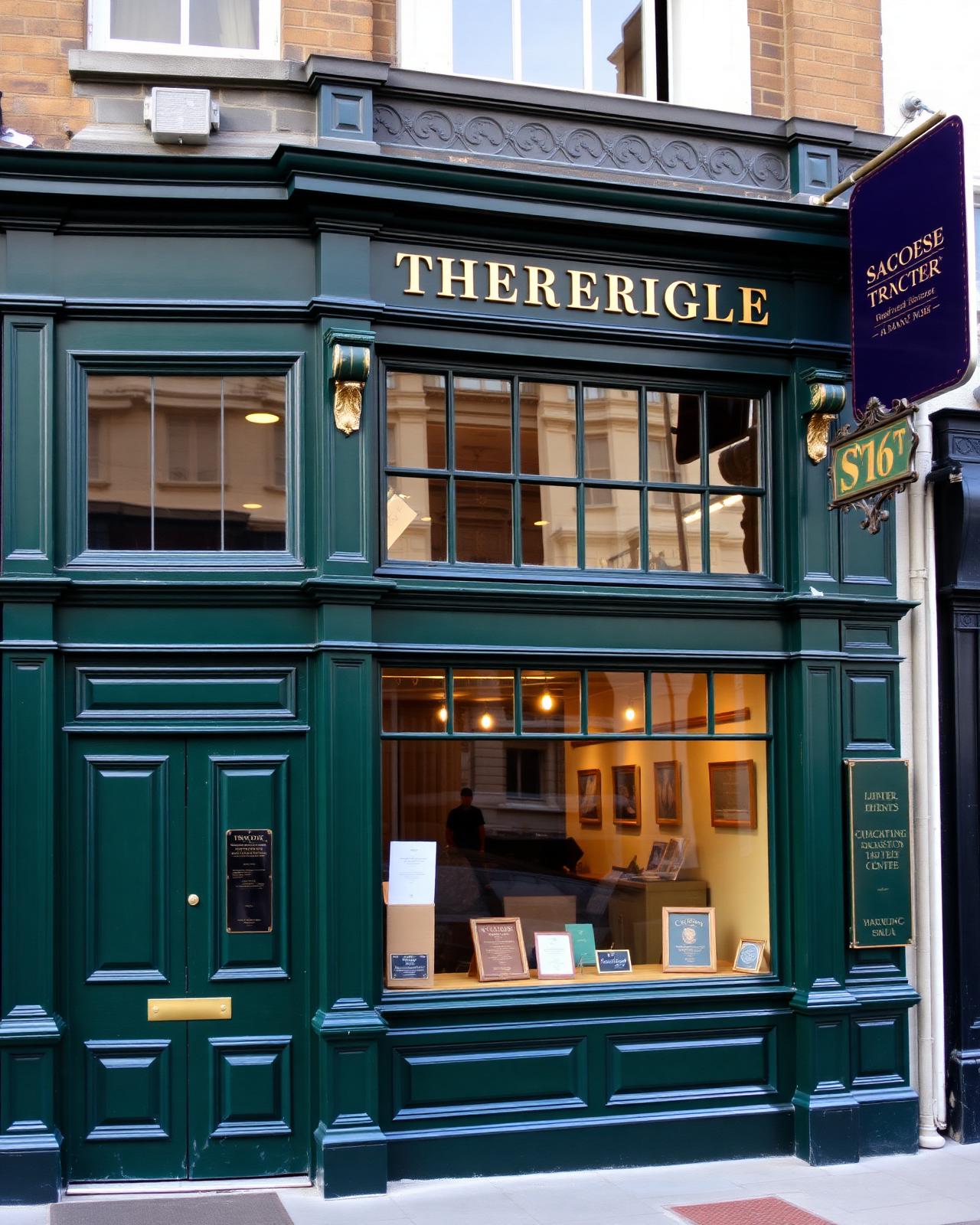
Shop front spraying
A shopfront repaint should improve the frontage without making the shop difficult to use. The specification starts with the frame material, the condition of the old finish and a clear plan for doors, glazing, signs and customer access. Spraying is one method, not a substitute for preparation.
Separate the frontage into surfaces
A shop front can combine timber, metal frames, masonry, glass, seals and decorative trims. They do not all take the same coating, and some should not be painted at all. Before pricing, identify what needs finishing and what must remain untouched. Close photographs of the door, lower panels and weathered corners are useful alongside a view of the whole frontage. A written scope should distinguish the external frame from internal display joinery, signage, shutters and the walls surrounding the opening.
Shopfront painting or spraying?
Spraying can produce a uniform finish on suitable smooth frames and broader panels, while brush application may be more practical for small details or a frontage where containment is difficult. The decision is based on the substrate and surroundings, not on a promise that spraying is always faster. Masking glass, protecting neighbouring finishes and controlling overspray are part of the work. Where an existing finish is loose or incompatible, it needs preparation before either application method can produce a sound result.
Keeping a retail entrance usable
Agree how customers, deliveries and staff will enter before work starts. If the entrance being painted cannot remain available, that needs a planned arrangement with the occupier rather than an improvised route across wet coatings. Dynamic Decorating offers phased and out-of-hours commercial working, with RAMS supplied. Retail opening times are only one constraint: stock deliveries, cleaning and sign contractors may use the same space. A programme should show when each part is protected, prepared, coated and available again under the product’s conditions.
Colour changes and landlord requirements
A new colour should be agreed against the shop’s branding, neighbouring finishes and any landlord requirements. Where the property is listed or subject to local controls, the owner should check whether the proposed exterior change needs consent. Painting permission is not the same as permission for a new sign or an altered frame. Keep these decisions separate and resolve them before ordering the finish. Colour matching can then be discussed as a decorating choice once any required approval for the frontage change is in place.
Preparation at street level
Lower frames and entrance panels may be exposed to dirt, handling and regular cleaning. The survey should record contamination, flaking paint and exposed substrate, then set out cleaning and preparation suited to the material. Door furniture, glass, seals and operating parts must be protected. A coating should not be used to conceal a failing joint or obstruct the way a door closes. If the entrance requires repair, arrange that separately so the decorating package is applied to a serviceable frontage.
Shutters and internal shopfittings are separate packages
The shutter above a frontage is a moving assembly, not simply another flat panel. Its guides, curtain and operating clearances need a distinct assessment, covered on our roller shutter painting page. Inside the shop, counters, shelves and display joinery can form another spray-finishing package with different access and ventilation needs. Keeping these items separate in the enquiry avoids a quote that appears to include the whole retail fit-out when it actually covers only the shopfront finish.
What to send for a shopfront quote
Include the location, photographs, frame material if known, approximate dimensions, proposed colour and opening hours. Mention whether the frontage faces a busy pavement, shares an entrance or has another occupier above. We can discuss commercial painting and spray finishing across Hampshire and Dorset with the preparation and access arrangements agreed for your frontage. Our retail and shopfront guide covers the wider planning questions; the next step for a finish is a site assessment and a quote defining preparation, protection, application and exclusions.
Related pages
Common questions
Does shopfront painting include new signs?
No sign installation is implied. Tell us which signs need protecting or coordinating with another contractor, and define the painted frame and panels separately.
Can the shop stay open during frontage spraying?
It depends on the entrance and containment arrangement. Phased or out-of-hours work can be discussed, but customer access must be agreed before spraying begins.
Do you also paint a shop’s roller shutter?
A shutter can be assessed as a separate coating item. Its moving parts, guides and operating clearances need their own protection and specification.
Planning a commercial painting or decorating project?
Speak to a Hampshire commercial decorating contractor that turns up, communicates clearly and delivers a finish that lasts.